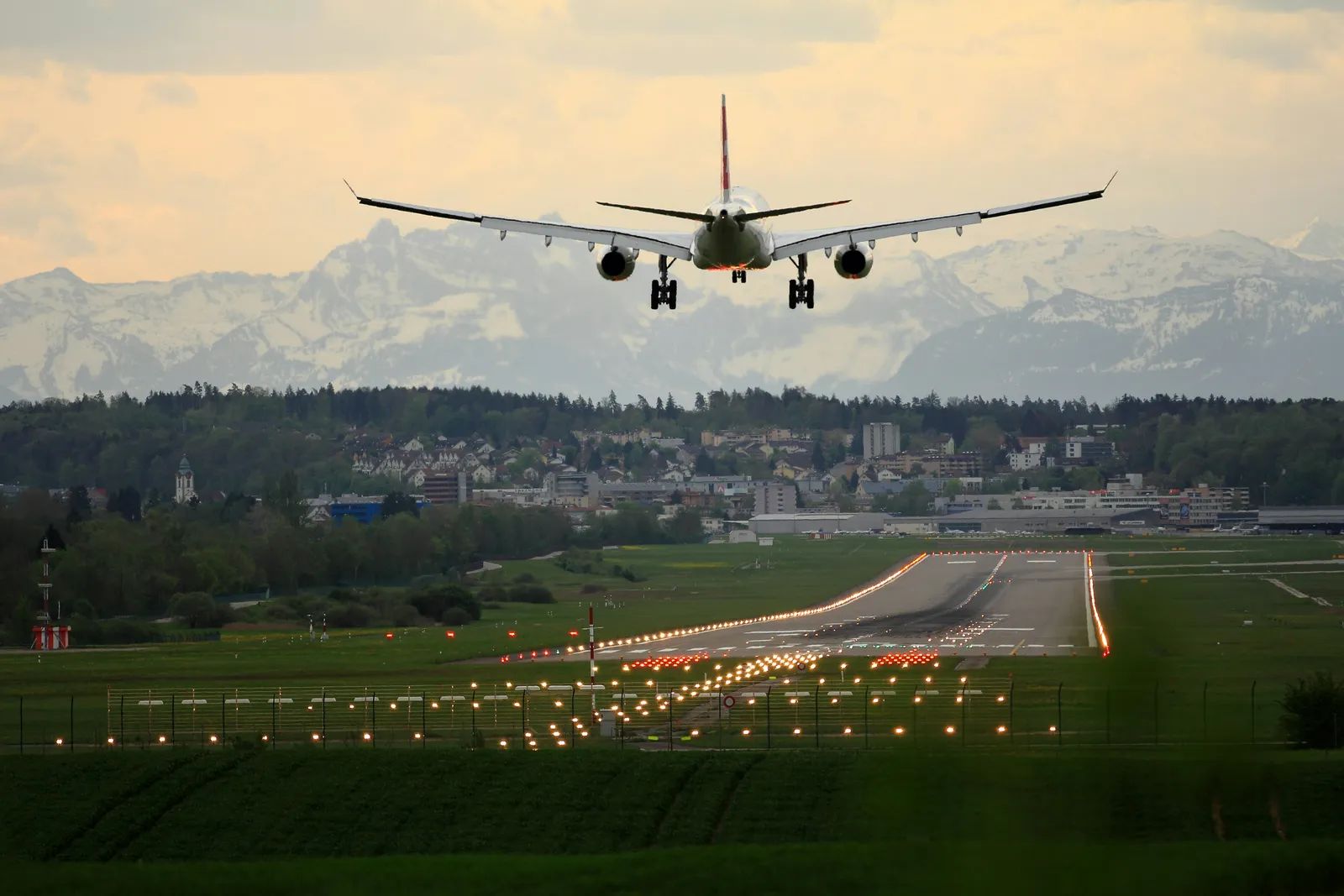
Thanksgiving travelers got a rough start on Sunday, when a failure in Delta Air Lines’ systems collided with low cloud ceilings at several of the country’s busiest airports (The Thanksgiving travel rush got off to a messy start at several of the nation’s busiest airports. The culprit: bad weather and the latest tech outage to hit a major U.S. company. ([1])). The timing could hardly be worse, since holiday crowds were only beginning to build at airports across the country.
A software failure that hit Atlanta first
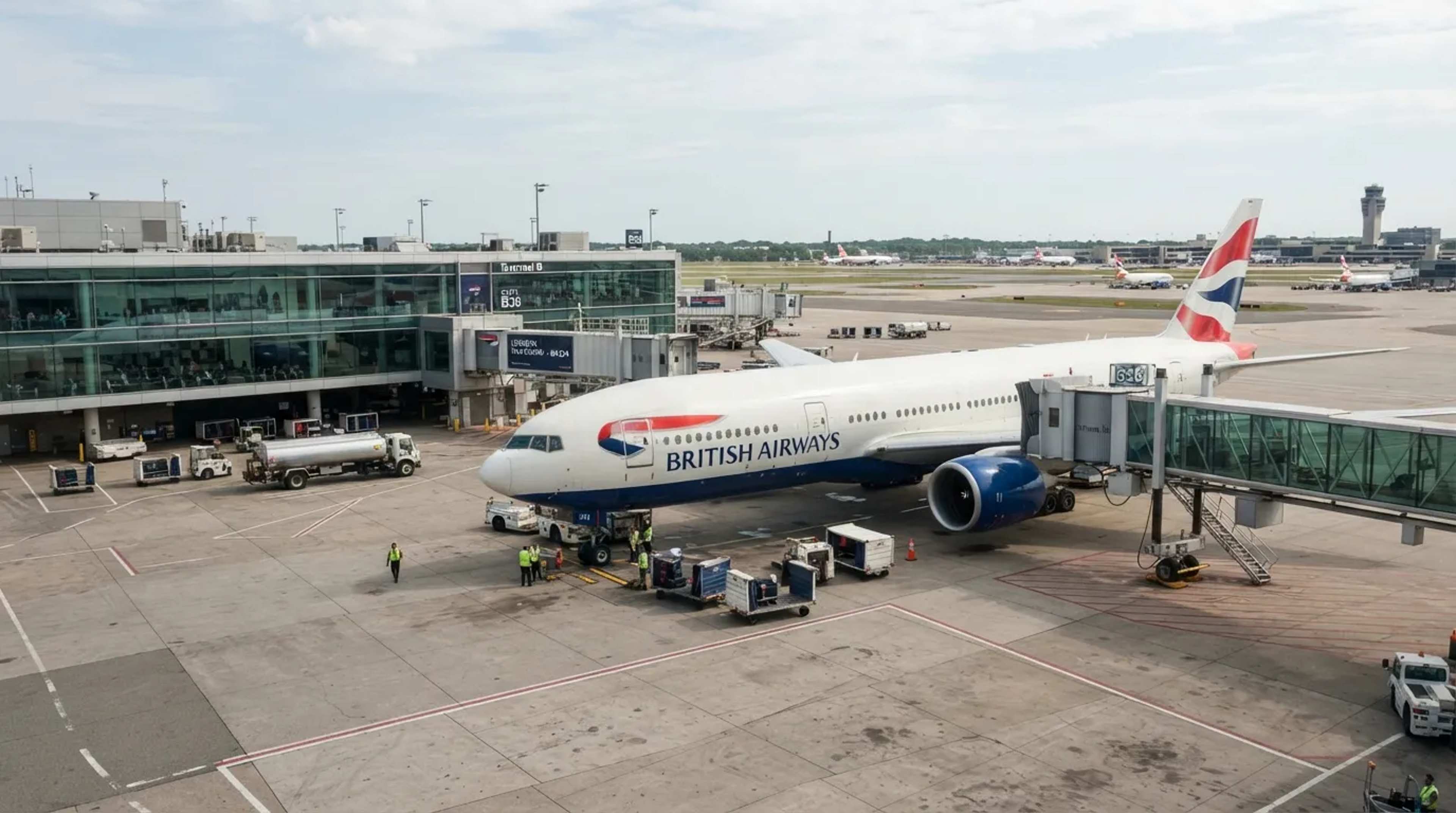
The trouble started with the software that calculates how heavy each aircraft is and how its load is balanced before takeoff. The FAA on Sunday morning issued a ground stop at Atlanta’s Hartsfield-Jackson International Airport for Delta after the airline’s ALIS (Automated Load Instruction System) went down. ([3])
Without that automated tool, Delta crews had to work out the numbers by hand. Local reporting counted 364 flight delays at Hartsfield-Jackson Atlanta International Airport on Sunday morning ([2]). Delta has said its teams are relying on manual methods to keep planes moving while the automated system is brought back online.
Why the delay totals vary
Early tallies differ depending on the hour and the tracking source. As of midday Sunday, the flight-tracking website FlightAware said 48 per cent of Delta’s flights were delayed. ([4]) Earlier in the day, roughly 1,160 Delta flights were reported delayed on Sunday morning, according to FlightAware figures cited by TMZ ([5]).
Delta has not released its own estimate of how long the disruption will last. The airline did not say how significantly it expected operations to be affected as the day went on, and the FAA said the delays were not related to its air traffic systems (The Federal Aviation Administration said on X that Delta was working to resolve the issues, and that the delays weren’t related to any FAA air traffic systems. ([4])).
Weather adds a second layer of trouble
Storms did not help. Low cloud ceilings slowed arrivals and departures at several major hubs. New York’s LaGuardia Airport was the hardest hit, with around 40% of its flights delayed, and 42 inbound flights were diverted to other airports, including Philadelphia, Albany and Syracuse (Low cloud ceilings fueled flight delays and led to dozens of flights getting diverted. ([1])).
Delta’s regional partner, Endeavor Air, added more than 200 cancellations on top of the delays, according to FlightAware data reported by The Points Guy ([1]).
What travelers can do right now
The cause of a delay determines what help is available, so passengers should check the reason listed for their flight. Several practical steps can make a difference:
Related Stories From Travelbinger
- Refund rights apply when a flight is canceled or significantly delayed, but only if the traveler decides not to fly.
- For a major Delta delay tied to the tech outage, the airline may cover hotel, meal and ground transportation costs. Details are listed at FlightRights.gov.
- Delays caused by weather typically come without airline compensation, so passengers should keep receipts for any expenses.
- Travelers who paid with a credit card that includes travel insurance may be able to file a claim for reimbursement.
The busiest stretch may still be ahead
Sunday’s problems arrived during a period of heavy strain for the aviation system. More than 18,000 flights were canceled last weekend after an outage on Nov. 13 to critical Federal Aviation Administration technology. ([1]) A brief technical problem at United Airlines also caused delays last week.
The next major test comes on Sunday, Nov. 29. Last year, the Sunday after Thanksgiving set the record as the most crowded day ever at U.S. airports. ([1]) Delta has not said when its automated weight and balance system will be fully restored, so travelers heading to the airport this week should monitor flight status closely and allow extra time for connections.