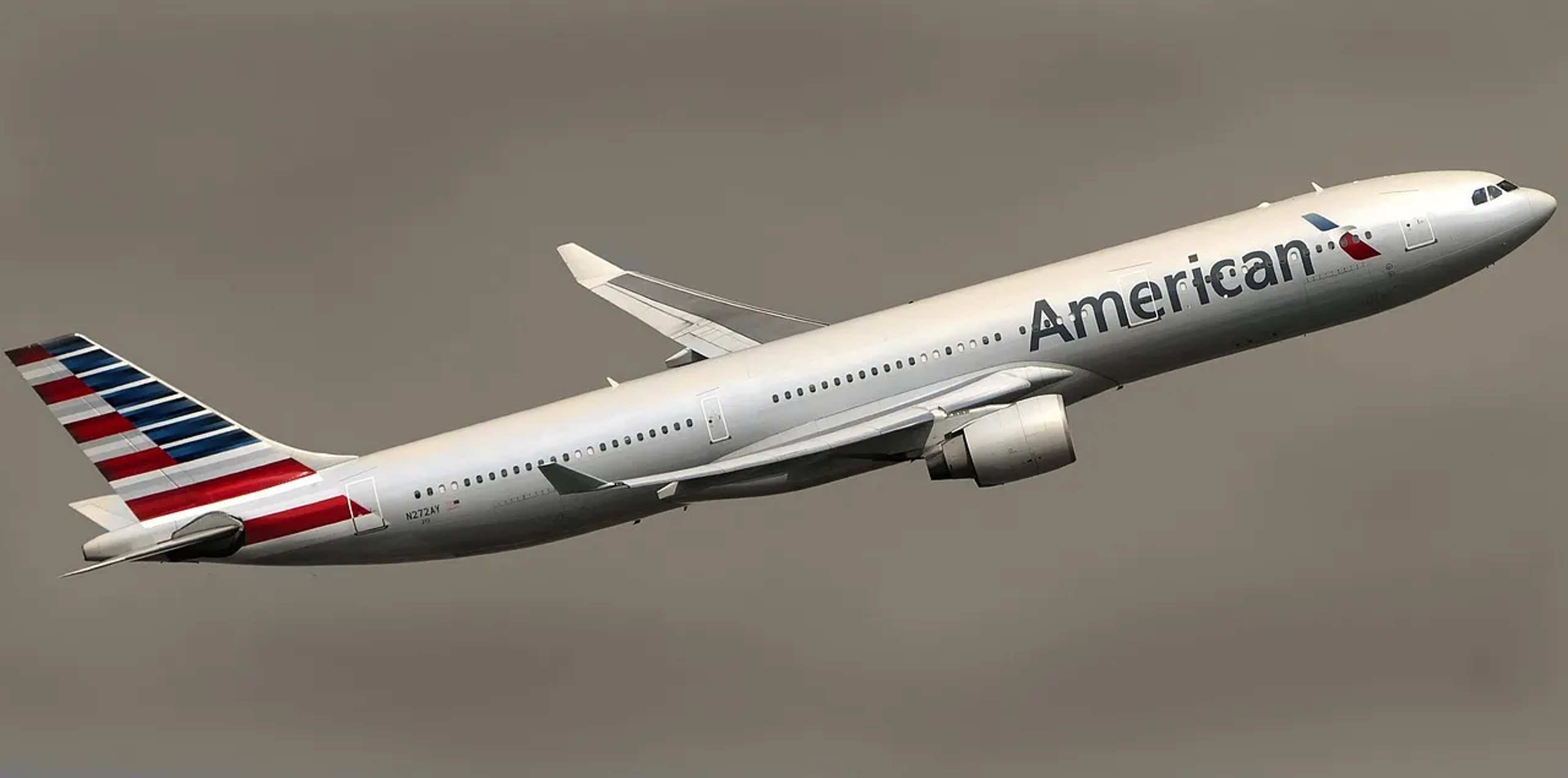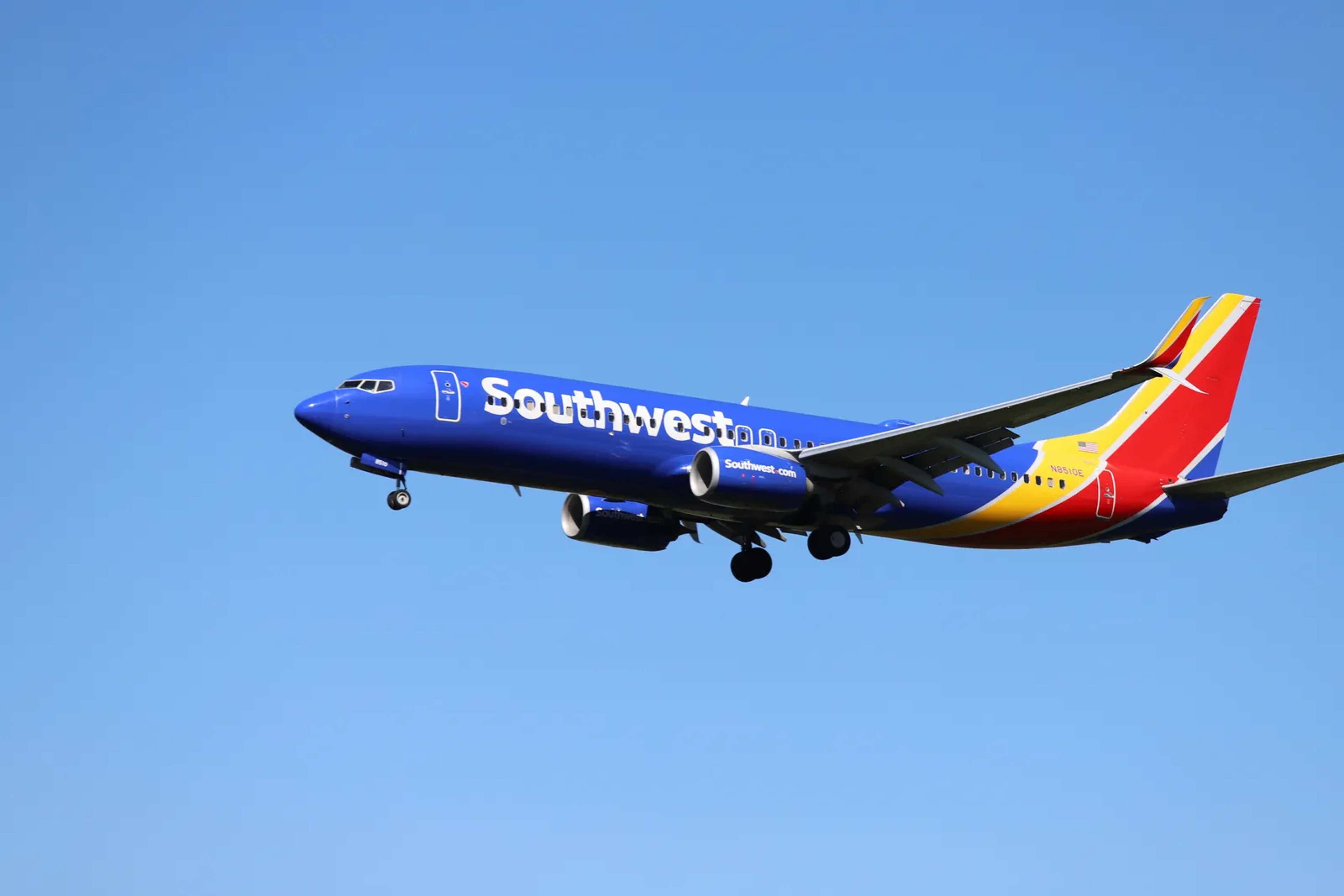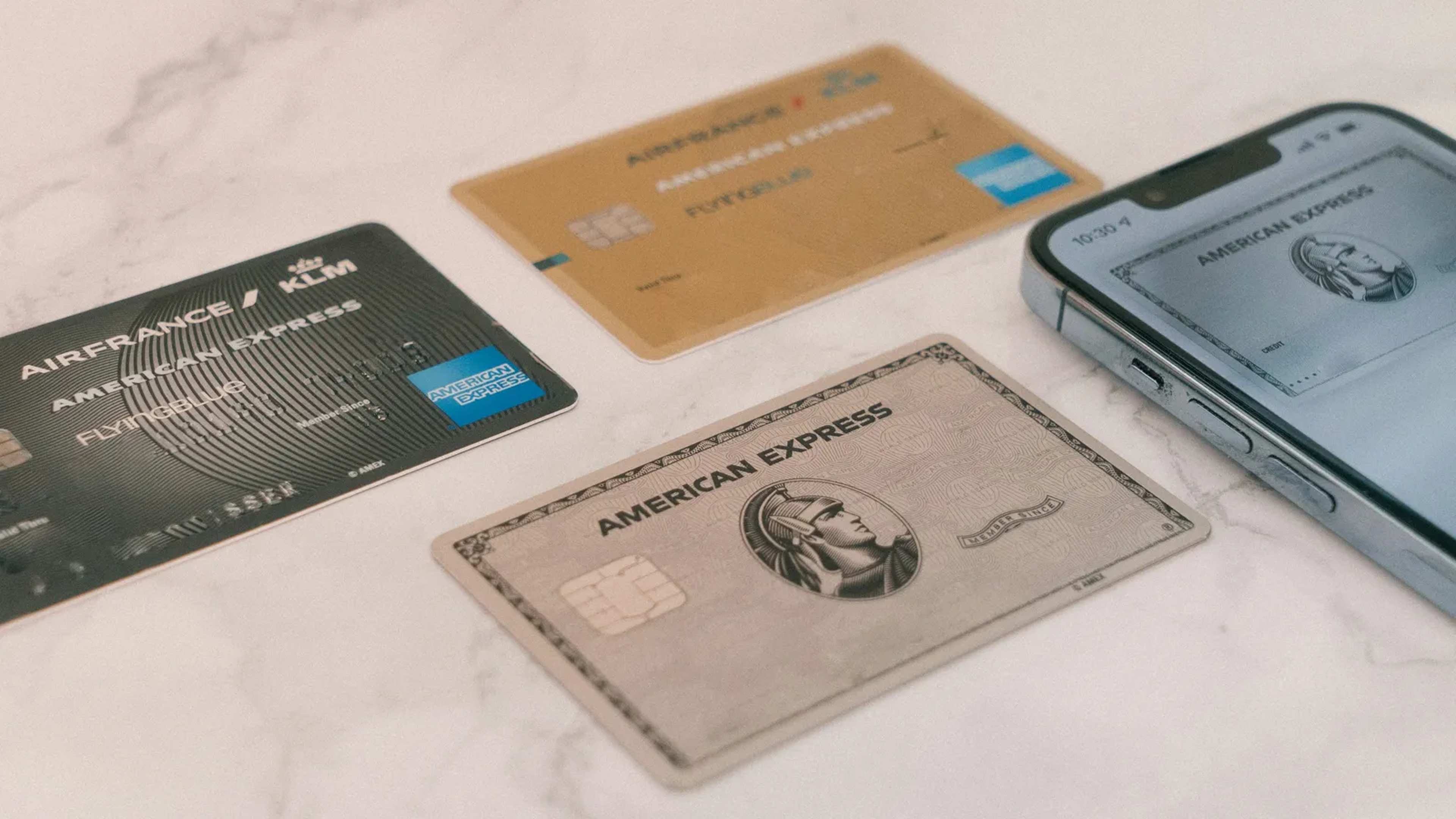
For frequent flyers, the difference often shows up at the gate, when the boarding line starts with a group that has already been called. Elite status in the American Airlines AAdvantage program is designed to produce that kind of advantage, but the way to reach it has changed. The program shifted to a Loyalty Points model in 2022, and the effort required now depends heavily on where and how you spend. This breakdown draws on a detailed guide from The Points Guy ([1]).
Status now runs on points, not just flights
Earning status used to hinge mainly on how often you flew. Today, qualification is built around Loyalty Points, which members can collect through airfare, credit card purchases and a range of partner merchants. The qualification year runs from March 1 through the end of February. Once you reach a threshold, the new tier applies right away and stays in force through March 31 of the following full year.
Loyalty Points are not the same as AAdvantage miles, a distinction that trips up many members. Miles can be spent on award travel and other redemptions, but only certain miles also count toward status. Keeping that difference in mind helps you avoid expecting a points total that never materializes.
The four tiers and what they require
American publishes four elite tiers, each tied to a set number of Loyalty Points earned within a single qualification year:
- Gold: 40,000 Loyalty Points
- Platinum: 75,000 Loyalty Points
- Platinum Pro: 125,000 Loyalty Points
- Executive Platinum: 200,000 Loyalty Points
A fifth option, Concierge Key, is invitation only, and American does not publish a requirement for it. Members also unlock Loyalty Point Rewards at certain milestones below the top tiers. The first choice arrives at 15,000 points, which gives casual members a reason to track their progress even before reaching Gold.
Where the points come from
Base miles are the main engine. Each base mile earned generally produces a Loyalty Point, though the rules vary by activity. Flights marketed by American, British Airways, Iberia, Aer Lingus and JetSmart earn base miles tied to the ticket’s base fare and carrier-imposed fees. Other partner flights, including certain Oneworld carriers, are credited based on distance and fare class. Shopping through the AAdvantage eShopping portal, dining at participating restaurants, and booking hotels through AAdvantage or crediting eligible Marriott and IHG stays can also contribute.
Credit cards add a more direct route. Cardholders earn one Loyalty Point per dollar spent on U.S.-issued AAdvantage cards, and the article notes that it is possible to reach elite status through card spending alone. Not every reward counts, however. Bonus miles from certain sources do not produce points, and Basic Economy fares do not earn Loyalty Points. Some changes also matter now. American and Hyatt ended their enhanced loyalty partnership in 2026, so World of Hyatt status is no longer offered as a reward. Members can still receive 500 AAdvantage miles per eligible Hyatt stay when they provide their number at check-in.
Perks that matter most in practice
The benefits tend to be most noticeable on the days a trip goes sideways. Elite members receive complimentary upgrades on eligible flights to select destinations in North America, the Caribbean and Central America, subject to availability. These upgrades are requested automatically and apply to paid and award tickets. Basic Economy tickets purchased on or after May 18, 2026, are excluded.
Mileage bonuses scale with tier. Gold members earn a 40 percent bonus on eligible flights, Platinum 60 percent, Platinum Pro 80 percent and Executive Platinum 120 percent. The status bonus also counts toward Loyalty Points, which means higher tiers can make requalifying easier. On flights marketed by American, a member without status earns 5 miles and Loyalty Points per dollar, while an Executive Platinum member earns 11.
Airport perks add further value. Boarding is staggered by tier, with Executive Platinum members in Group 1, Platinum Pro in Group 2, Platinum in Group 3 and Gold in Group 4. Elite members can also select preferred seats and Main Cabin Extra seats at no extra charge, with timing rules that depend on tier. Checked bag benefits are generous: Gold members receive one free bag, Platinum members two, and Platinum Pro and Executive Platinum members three. That allowance extends to companions on the same reservation.
So, is it worth it for you?
The answer depends less on the status itself and more on how you would reach it. Flying American, British Airways or Iberia on higher fares, or regularly paying for those trips, can produce status almost by accident. The author of the original guide has held Platinum Pro or Executive Platinum status since 2016, valuing domestic upgrades, free checked bags, priority check-in and Oneworld Emerald status. After reassessing, that author decided the added cost of Executive Platinum over Platinum Pro no longer justified the extra points.
The warning signs are easy to spot. If reaching a tier would require heavy shopping through eShopping or large card spending that you would not otherwise do, the trade-off deserves careful thought. Occasional travelers who only need one specific perk may also do better by buying premium-cabin fares or choosing a card that includes that benefit.
Elite status is most likely worth pursuing if you already fly American and its partners often, pay for higher fares, and earn points through everyday activities you would do anyway. For infrequent travelers, the cost of chasing points can outweigh the perks.
For most people, the smartest question is not how high the tier goes but how much of the benefit you will actually use. Start with your typical yearly travel, map out where your points would come from, and compare that effort against the perks that matter most to you. That honest calculation will tell you whether the chase is worth the trip.