Mexico City has long been one of the most talked-about destinations in the digital nomad world – equal parts thrilling and anxiety-inducing. As 2026 rolls in, the question on every remote worker’s mind remains the same: is it actually safe to live and work there? The honest answer is nuanced. Crime statistics, travel advisories, neighborhood dynamics, and a rising wave of local frustration with foreign arrivals all paint a picture that is more complex than any single headline can capture. Here is what the real data says.
What the Crime Numbers Actually Show in 2024 and 2025
Mexico City recorded roughly 1,100 intentional killings in 2024, translating to a homicide rate of approximately 7.9 per 100,000 people – a figure that sits far below the states that top 30 per 100,000. That rate has fallen from a 2018 peak, bringing cautious optimism to residents and analysts alike. That context matters enormously. People often assume the entire country carries the same risk level, but Mexico City’s numbers tell a very different story from, say, border states or regions with active cartel warfare.
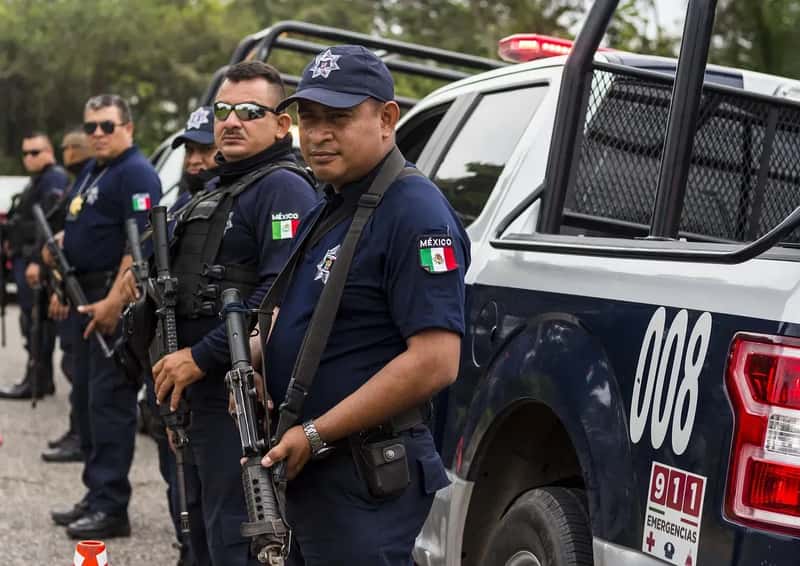
Robbery with violence, however, is a more pressing concern, with nearly 20,000 reported cases in 2024 – roughly 220 per 100,000 people. Hot spots tend to cluster around busy transit hubs where thieves target distracted commuters. Additional cameras and more rapid police patrols have been deployed to counter this trend. Non-violent theft generated around 45,000 reports in 2024, though the real figure is likely higher since many small losses go unfiled. Tourists losing phones on packed metro trains remains a common, frustrating reality.
The U.S. Travel Advisory and What It Really Means for Nomads

The U.S. State Department currently maintains a Level 2 advisory for Mexico, urging travelers to “exercise increased caution” due to terrorism, crime, and kidnapping. That classification covers all of Mexico as a broad national designation – it does not mean every corner of the country carries the same threat level. The distinction is important for nomads who plan to base themselves specifically in the capital.
Mexico City, while much safer than other Mexican regions, still faces crime in certain districts, making travelers more vulnerable to theft or scams in poorly lit or secluded areas. Crime in Mexico is common and can be violent, ranging from petty street crime to attacks by cartels and criminal organizations. Still, nomads anchored to well-lit, high-foot-traffic neighborhoods in the capital experience a very different reality from those venturing into higher-risk parts of the country. In February 2026, following the death of cartel leader “El Mencho,” significant unrest was reported in Jalisco, Michoacán, Baja California, and Guanajuato, with airports in Guadalajara and Puerto Vallarta experiencing temporary ground stops – none of which directly impacted Mexico City.
Safe Neighborhoods vs. Areas to Approach with Caution
Polanco, Roma Norte, Condesa, Juárez, Coyoacán, and the historic center east of the Zócalo offer strong lighting, police patrols, and steady crowds late into the night. Fancy shops and cafés fill the sidewalks, which tends to deter violent crime. Yet pickpockets roam near busy Metro stops such as Bellas Artes and Hidalgo, so keeping phones in front pockets remains essential advice.
Parts of Doctores, most of Tepito, and the far edges of Iztapalapa pose more risk, mostly after sunset. Safety remains a notable concern especially at night or outside the main expat-friendly neighborhoods, and many locals and travelers advise sticking to specific areas and using Uber after dark. While millions use the metro daily without issue, it is considered one of the less safe options for valuables. Pickpockets are a documented problem, and holding bags in the front and staying alert are standard precautions locals themselves follow.
The Gentrification Backlash: A New Kind of Tension
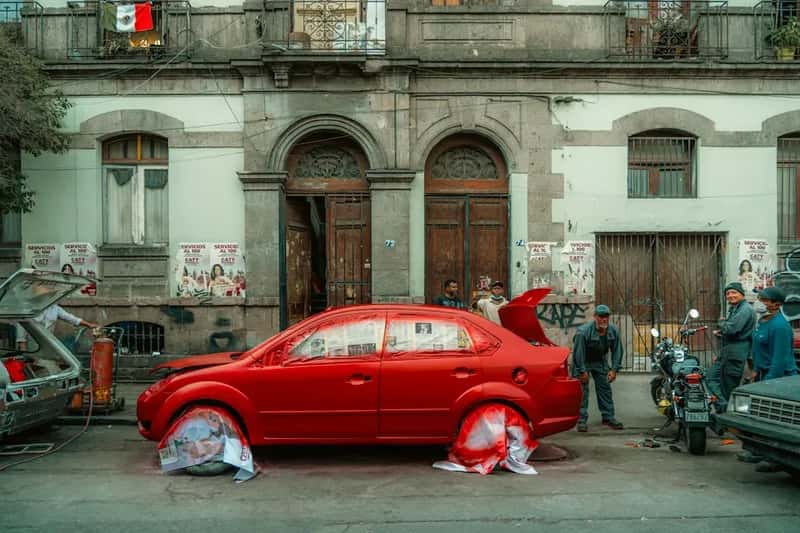
On July 4, 2025, anti-gentrification protests took place simultaneously in the Roma Norte and Condesa neighborhoods, with graffiti messages targeting foreign residents on walls throughout the city. Both areas are the epicenter of Mexico City’s digital nomad scene and short-term rental activity. While many marchers condemned gentrification peacefully, a smaller group broke windows, looted stores, threatened diners, burned effigies, and painted anti-American graffiti. President Claudia Sheinbaum publicly criticized these acts as xenophobic.
Data shows that La Condesa saw a 17 percent increase in rental prices from April 2023 to April 2025, while the neighboring borough of Miguel Hidalgo recorded a staggering 98 percent rise in the same period. Some locals worry that this wave of price increases could eventually push long-term residents out of their own neighborhoods. Research found that in 2019, before the pandemic, there were 2,898 homes for rent through Airbnb in the Hipódromo, Condesa, Roma Norte, and Roma Sur neighborhoods; by 2023, that number had risen to 5,033 – a 74 percent increase. In direct response to the protests, Mexico City Mayor Clara Brugada Molina announced a plan to invest over 600 million pesos (roughly $31.8 million) in public housing.
What It Actually Costs to Live Safely as a Nomad in CDMX
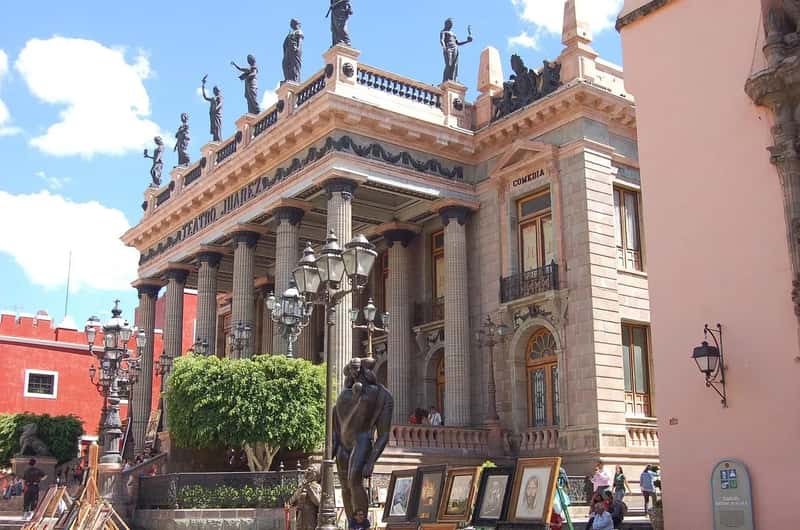
Mexico City stands out as a prime destination for digital nomads in 2025 and 2026, combining modern conveniences with rich cultural experiences and average monthly living costs of around $1,800 – significantly more affordable than most U.S. and European cities. Studio apartments typically cost between $700 and $1,200 per month, while one-bedroom units range from $900 to $1,500. Beyond rent, a single person generally spends $700 to $900 per month on essentials like food, transportation, utilities, and leisure.
Furnished apartments in Polanco, one of the city’s safest and most polished districts, start at $1,200 and go well above $2,000 for modern units. The area attracts business travelers and executives more than typical nomads. For those for whom comfort and safety are the top priorities, Polanco delivers. Juárez, sitting between Roma Norte and the historic center, has attracted a wave of new restaurants, bars, and creative spaces while maintaining lower rents, with apartments running $600 to $900 per month and solid metro access.
The Nomad Infrastructure and Practical Safety Tips for 2026

The city boasts reliable internet with average download speeds of 67 Mbps and upload speeds of 40 Mbps, suitable for video calls and demanding online work. Mexico City has the best internet connectivity in all of Mexico, with fiber optic options available in most nomad-friendly neighborhoods. There are thousands of remote workers present – meetups, coworking events, language exchanges, Facebook groups, and Slack channels all exist. Finding your community is genuinely easy.
Using regulated taxi stands or app-based services like Uber and Cabify is strongly recommended by safety experts and the U.S. Embassy alike. Hailing taxis on the street is consistently flagged as a risk to avoid. The 2025 Mexico Peace Index shows that while there have been slight improvements nationally, rising violence and evolving organized crime dynamics continue to undermine long-term stability. For nomads, the takeaway is practical: where you stay, how you move, and how visible you make your devices and valuables will determine your experience in Mexico City far more than any broad national headline.