Two decades behind a front desk teaches you things no training manual covers. You learn to read a lobby the way a sailor reads weather, and you learn that most guests who cause trouble never think of themselves as the problem. Somewhere in every hotel’s system, quietly, there’s a record of who gets a warm welcome next time and who gets a room “unfortunately” sold out the moment their name pops up.
It’s not dramatic. Nobody gets thrown out with sirens blaring. It’s a note in a profile, a flag in a reservation system, a hushed conversation between a manager and a front desk clerk before a name is even confirmed at check-in. Here are the guests who, over the years, tend to end up on that quiet list.
The guest who treats the room like it owes them something
Every hotel has stories about rooms left in states that go far beyond normal wear. Burn marks on furniture, walls scuffed from moved beds, stained carpets that no amount of professional cleaning can fully rescue. These incidents rarely happen by accident, and staff can usually tell the difference between an honest mishap and carelessness treated as someone else’s problem to fix.
What lands someone on a do-not-return list isn’t one wine spill. It’s the pattern, the attitude, the assumption that a nightly rate covers reckless behavior. Property damage, unpaid bills, or dangerous behavior can disrupt business and endanger people, which is why many hoteliers rely on a Do Not Rent list to keep repeat offenders from causing the same trouble twice.[1] Once documented, that history follows the guest profile indefinitely.
The guest who walks out without paying
Skipping out on a bill sounds like something from an old movie, but it still happens with surprising regularity, especially at extended-stay properties and budget chains. Sometimes it’s a genuine misunderstanding about incidentals. More often it’s someone who booked knowing they had no intention of settling the final charge.
A hotel do not rent list is a record of guests who are banned from staying at a property due to previous incidents such as non-payment, property damage, or policy violations.[2] Front desk staff don’t need to know the full story to flag a profile. They just need one bounced payment and one manager’s note, and that guest’s name is effectively retired from the property’s future bookings.
The guest who screams at staff over things staff can’t control

Weather delays flights. Elevators break. Wi-Fi drops during a storm. None of that is a front desk agent’s fault, yet some guests treat every inconvenience as a personal insult requiring a public tirade. It’s one thing to be frustrated. It’s another to humiliate an eighteen-year-old working the overnight shift because the pool closed early for maintenance.
Hotels are generally trained to de-escalate, apologize, and offer some form of compensation regardless of fault. But repeated hostility toward staff, especially when it crosses into threats or intimidation, gets remembered. Managers talk to each other. Notes get written. The next reservation attempt quietly fails to go through, dressed up as a booking error.
The guest who brings more people than they booked

A reservation for two adults sometimes turns into a party of eight showing up with coolers and speakers. It happens more at extended-stay and budget properties, but no hotel is immune, particularly around graduation weekends, holidays, and local events. Fire codes exist for a reason, and overcrowding a room isn’t just against policy, it’s a genuine safety issue.
Some guests do this once, get caught, and never try it again. Others treat it as a workaround they’ll attempt at every stay. It’s the second offense, the deliberate repeat, that tends to earn a permanent mark rather than a one-time warning.
The guest who tries the same complaint at every visit for free perks
There’s a difference between a guest who occasionally has a legitimate issue and a guest whose stay always somehow ends with a complaint conveniently timed near checkout. Hotels want to make things right, and most will comp a night or waive a fee without much fuss the first or second time. It’s the pattern that raises eyebrows.
Front desk software often keeps a history of previous adjustments tied to a guest profile, which makes chronic complainers easier to spot than they think. Once a property notices someone has never once had a stay end without a discount request, staff start treating future complaints with more skepticism, and eventually the welcome starts feeling noticeably cooler.
The guest who ignores pet or smoking policies
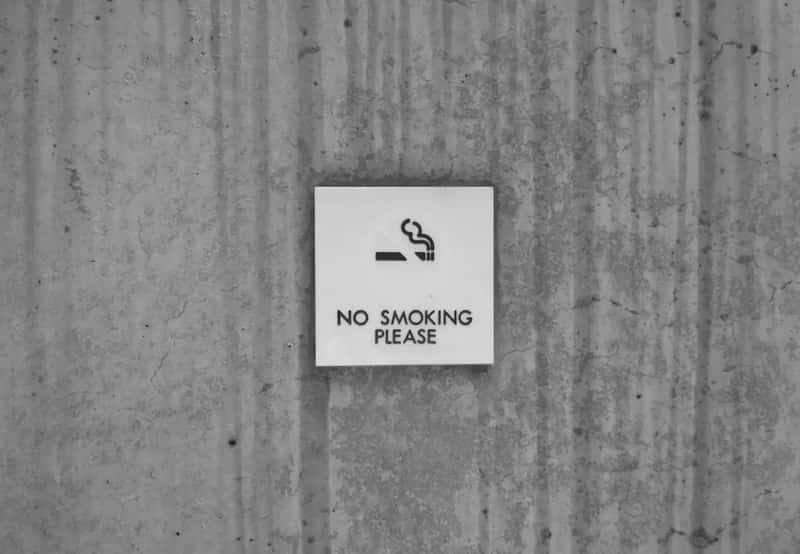
Sneaking a dog into a no-pet room or smoking near an open window in a smoke-free building might seem like small rule-bending. It isn’t small to the housekeeping team, who deal with allergens, odor remediation, and sometimes damage that costs far more than any cleaning fee covers. Deep-cleaning or deodorizing a single room can take a property out of inventory for days.
These policy violations often show up in a guest’s file even if no formal ban follows immediately. A second instance, though, especially after a warning, tends to be treated far more seriously. Hotels increasingly rely on system flags rather than staff memory alone, since remembering every face and name from months earlier is unrealistic for a front desk team.
The guest whose behavior crosses into something unsafe

This is the category hotels take most seriously, and it covers everything from harassment of other guests to actions that put staff or property at real risk. Unlike a messy room or a missed payment, this kind of incident often gets documented with far more detail, sometimes including police reports or security footage. Notes typically include staff observations, a police report number, or other important details[3] when an incident escalates that far.
These cases rarely involve any ambiguity about whether a return stay is appropriate. Hotels can refuse service as long as the decision does not violate anti-discrimination laws[2], and safety-related bans tend to be the most permanent and least negotiable of all the categories on this list. Chains with multiple properties may even share this information internally, though some hotel groups share internal Do Not Rent lists across properties within the same company, though sharing information outside an organization must comply with privacy laws.[2]