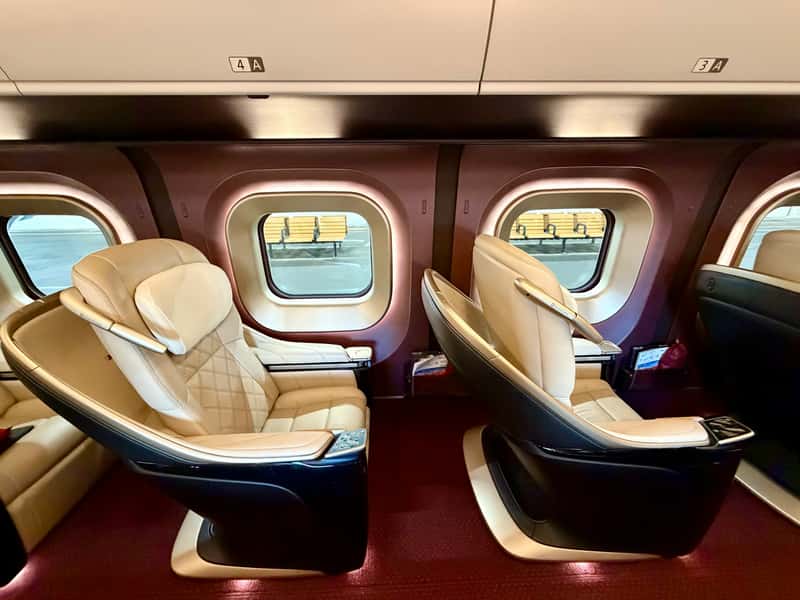
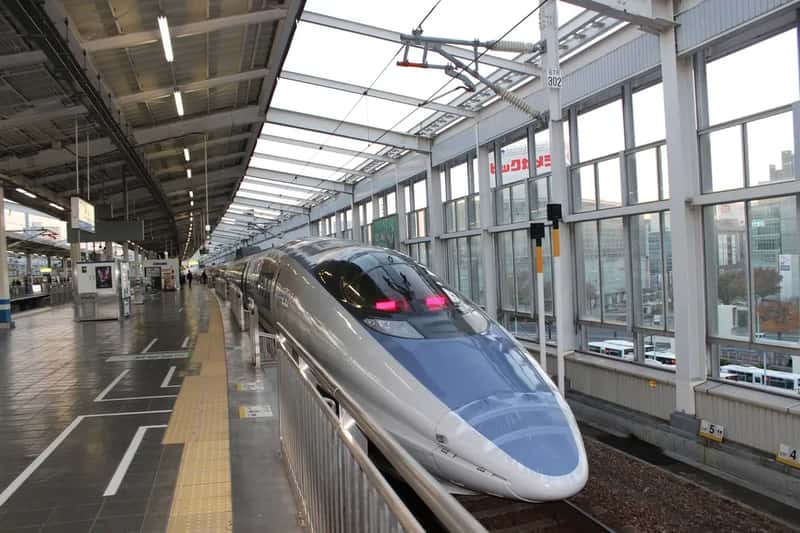
Japan’s Shinkansen has always been famous for speed, precision and reliability rather than indulgence. That is about to change. Starting this October, passengers riding the country’s busiest bullet train corridor will be able to book fully enclosed private cabins for the first time in over two decades, a shift that signals just how seriously Japan’s rail operators are taking the global appetite for premium travel.
The new offering, called Supreme Class, sits above the long-standing Green Car tier and brings something the Shinkansen hasn’t offered since the early 2000s: a door you can lock. With international arrivals continuing to climb and travelers increasingly willing to pay for privacy, JR Central and JR West are betting that a plane-style first class experience can work just as well at 200 miles per hour on rails.
What Exactly Is Supreme Class?
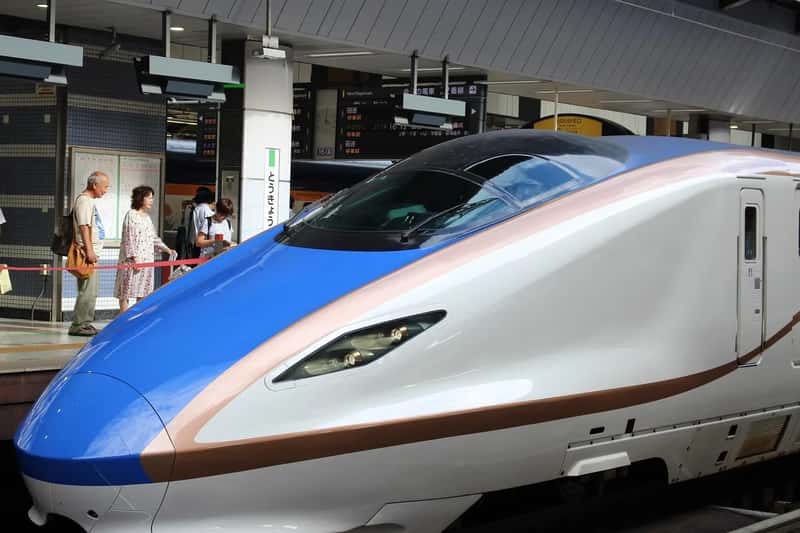
JR Central and JR West have announced details of a new “Supreme Class” to be introduced on the Tokaido/Sanyo Shinkansen, Japan’s most used bullet train route linking Tokyo with Nagoya, Kyoto, Osaka, Hiroshima and Fukuoka, with the new class sitting above the existing Green Car and roughly comparable to first class on an airplane. That is a meaningful distinction, because until now, most trains on the route have offered 13 cars of ordinary seats and three cars of Green Car seats, the latter being comparable to business class.
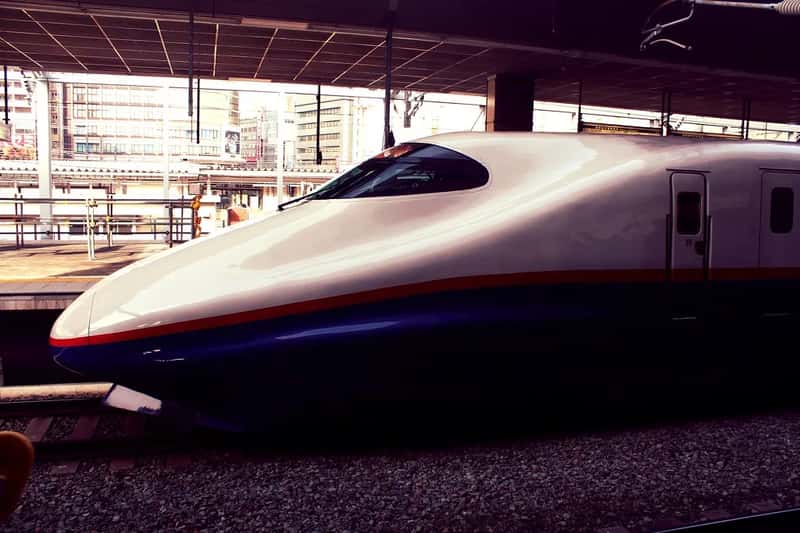
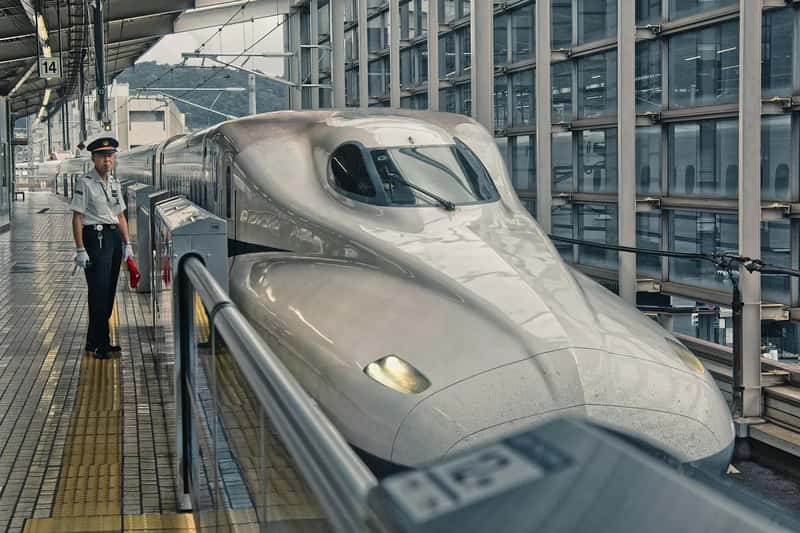
For decades, the Green Car represented the ceiling of comfort on Japan’s bullet trains. For decades, Green Cars have represented the highest level of comfort available on Japan’s busiest bullet train routes, but beginning October 1, travelers will be able to book fully private cabins aboard select N700S shinkansen trains. Notably, Supreme Class revives the idea after more than 20 years, and brings private rooms to the Nozomi for the first time.
Two Very Different Cabin Types
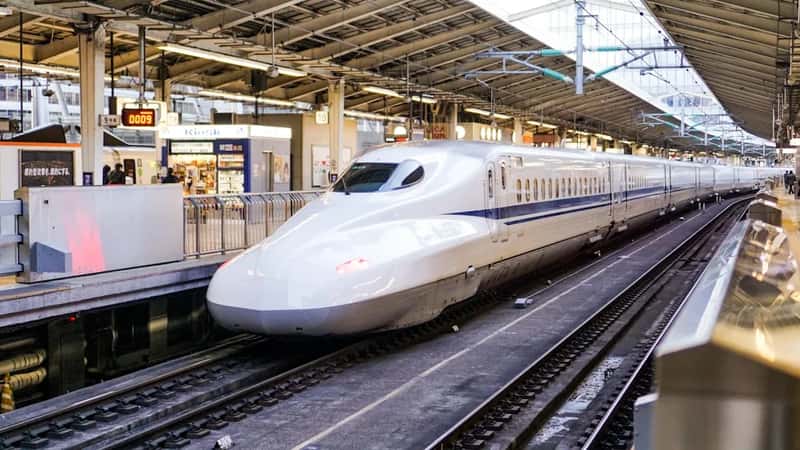
Supreme Class isn’t a single product but two distinct experiences depending on which car you book. The new premium options will feature two types of private compartments (cabins) and semi-private compartments (seats), with the private Supreme Class Cabin, located in Car 7, featuring two private cabin types, a double room accommodating two passengers, and single passenger cabins in cabin 10. Each has its own personality suited to different kinds of travelers.
The larger option feels more like a hotel suite on wheels. The larger Car 7 cabin functions more like a private suite, featuring a sofa, additional space, and accommodations for up to two passengers, while the smaller Car 10 cabin is designed for solo travelers seeking exquisite privacy rather than simply some extra room to stretch. Both rooms come equipped with practical touches too, since each cabin features a large reclining seat with table, perfect for eating your ekiben en route, along with an electronic lockable door and luggage space.
Launch Timing and How Far the Rollout Will Go
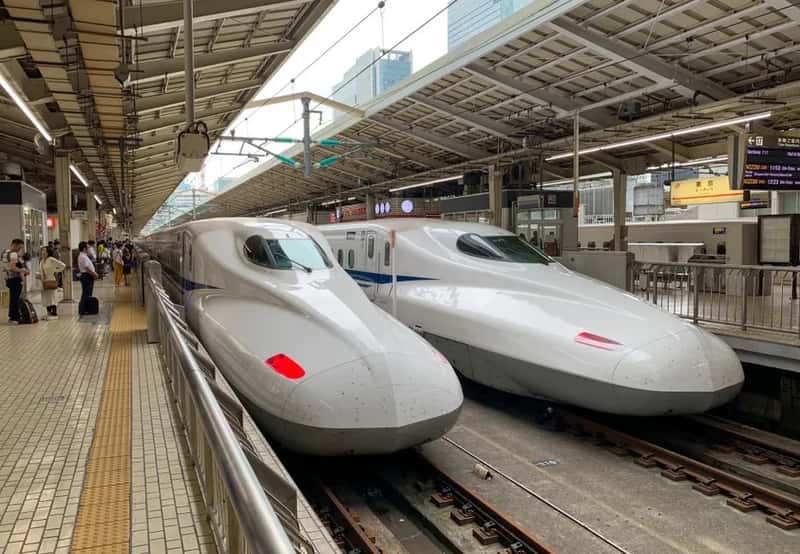
The service doesn’t launch quietly or all at once. Supreme Class Cabins will be introduced from October 1st, 2026, limited to six round trips per day, with additional services expected as the new class is expanded across the fleet. Even more specifically, it will operate across Nozomi, Hikari and Kodama services, with the first planned train being Nozomi 1 from Tokyo at 6:00 on the launch date.
Growth from there is expected to be steady rather than explosive. The cabins will be available on around 12 trains per day from October, and by the end of fiscal 2026 that number will increase to around 30, with the aim of having Supreme Class compartments available on approximately 30% of all Tokaido Shinkansen trains by the end of fiscal 2028. That is a deliberate, multi-year buildout rather than a network-wide overnight change.
What Passengers Actually Get Onboard
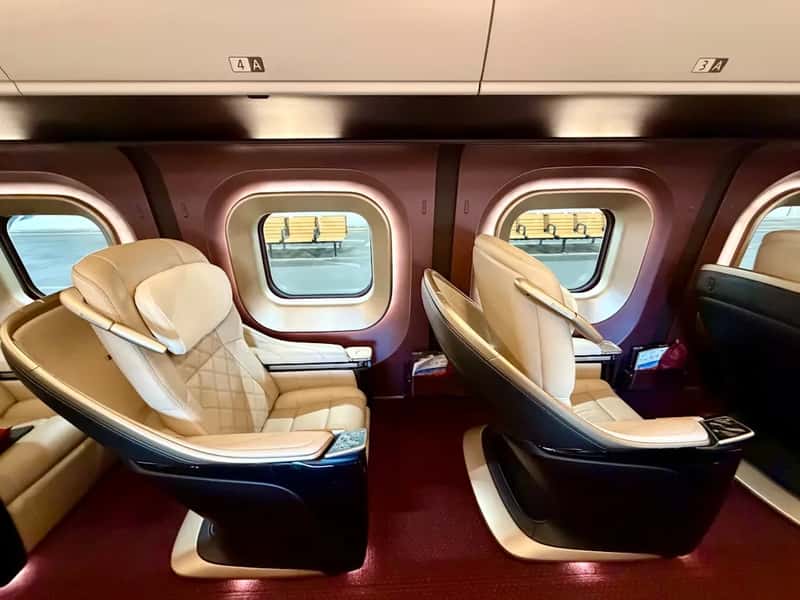
Beyond the locked door and extra space, Supreme Class is packed with small conveniences designed to make the cabin feel self-contained. Amenities will include a dedicated Wi-Fi network, built-in speakers that can connect to passengers’ personal devices, and an in-seat tablet that allows travellers to adjust lighting, air conditioning, and the volume of onboard announcements. It is the kind of personalization usually reserved for premium airline suites, not train seats.
Design-wise, the comparison to air travel is intentional. The design bears a striking resemblance to the private suites now found in premium airline cabins, and travelers familiar with products such as ANA’s “The Room” business class or Qatar Airways’ Qsuite may notice similar design philosophies, with privacy-focused seating intended to create a more personal, refined travel environment. One small quirk worth knowing before booking is that seats cannot be rotated, so you may be seated backwards on some journeys.
The Price Tag for All That Privacy
This level of comfort does not come cheap. For a one-way journey between Tokyo Station and Shin-Osaka Station, a two-passenger compartment will cost 60,790 yen per person, situated in the seventh car of the Tokaido and Sanyo Shinkansen train sets, this premium option carrying a heavy premium of 41,400 yen more than a standard Green Car premium seat. That is a substantial jump over ordinary business-class-style seating.
The solo option is somewhat gentler on the wallet, though still firmly in luxury territory. For example, a journey between Tokyo and Shin-Osaka costs ¥60,500 in the larger Car 7 cabin, compared to ¥42,100 in the single-passenger Car 10 cabin. Whether that premium feels justified will likely depend on how much a traveler values uninterrupted privacy over a four-hour or so trip across the country.
How to Actually Book a Seat
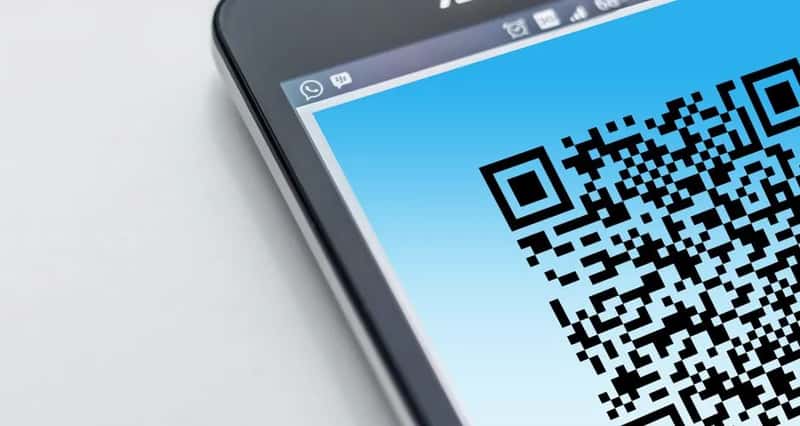
Supreme Class won’t be sold through traditional paper tickets or station counters. Supreme Class will be available as a ticketless product through smartEX, with passengers able to use either the IC card linked to their smartEX account or a QR code generated within the app to pass through ticket gates and unlock their cabin or seat. Sales for the first phase begin well ahead of launch, since sales for the first cabin phase are scheduled to begin through Express Reservation and Smart EX from 15 September 2026 at 5:30.
Availability will be tight from day one, so planning ahead matters. Inventory will be extremely limited because each eligible formation has only one Car Seven cabin and one Car Ten cabin. One open question for international visitors is whether existing rail passes will help offset the cost, since no announcements have been made about whether Supreme Class will be covered by rail passes such as the Japan Rail Pass, but it is highly likely that the rail passes will cover only the base fare, which between Tokyo and Shin-Osaka, for example, is 8,910 yen.
A Semi-Private Option Is Coming Next
The fully enclosed cabins are only the first phase of the plan. A second type of accommodation, the Supreme Class Seat, is scheduled to be introduced during fiscal year 2027, located in car 10, consisting of three rows of two semi-private seats, separated by the aisle. These will trade full enclosure for flexibility and slightly wider availability.
Passengers should know what to expect from this version before assuming it matches the cabins exactly. While offering a high degree of privacy, they are not fully enclosed rooms, though the seats will be similar to those in the cabins, have lockable doors and access to the same services, and unlike the cabin seats, these seats can be rotated to face the direction of travel or to create a pair of facing seats. It is essentially a middle ground between today’s Green Car and the full Supreme Class suite.
An Overnight Sleeper Train Is Also on the Way
Supreme Class isn’t the only premium rail product Japan has in the pipeline. A new sleeper car service called “Luna Azul” will offer lie-flat seats along the Tohoku route, which carries people to prefectures like Aomori and Akita in northeast Japan, debuting sometime next year. It marks a return to a style of overnight rail travel that had largely faded from Japan’s network in recent decades.
Together, the two projects point toward a broader strategy rather than a single isolated product launch. Japan is also preparing to revive overnight rail travel through the introduction of a completely new sleeper service expected to begin operations during 2027, with the planned train operating along the Tohoku region, connecting northern prefectures including Aomori and Akita with major population centres further south. It suggests operators see demand for premium rail experiences well beyond the Tokyo-Osaka corridor.
Why Japan Is Making This Move Now
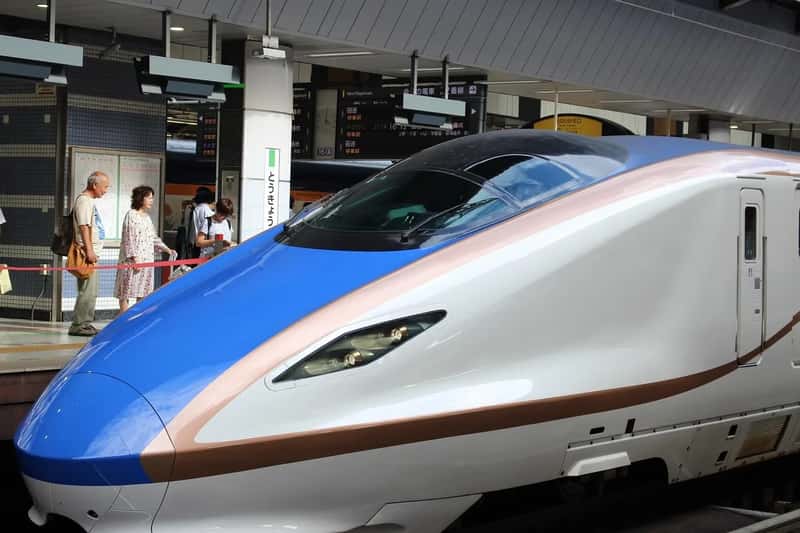
None of this is happening in a vacuum. Japan has broken its tourism record every year since the pandemic, and as more and more people take the country’s famous Shinkansen high-speed trains, Japan’s rail system has rolled out this fancy new product. Rising visitor numbers, particularly among high-spending travelers, appear to be a major driver behind the timing.
The push toward premium rail is arriving alongside other changes to Japan’s tourism economics, some less welcome than others. The country’s “sayonara tax” will increase from ¥1,000 to ¥3,000 on July 1, with the money raised from the tax going toward supporting infrastructure, according to the Japanese government. Seen together, the fare hikes at the border and the new luxury option on the rails tell a consistent story: Japan is recalibrating its tourism infrastructure for a wealthier, more demanding wave of visitors, whether that means charging more to arrive or offering more to enjoy once you’re here.
Supreme Class won’t replace the ordinary Shinkansen experience most travelers know, and for now it remains a niche, limited product reserved for a small slice of trains and an even smaller slice of seats. Still, its arrival marks a genuine turning point for a rail system that built its reputation on function rather than flourish. Whether it becomes a permanent fixture of Japanese travel or a pricey novelty will likely depend on how enthusiastically travelers embrace paying a premium for a locked door and a quiet ride across the country.