Europe’s aviation fuel crisis has eased at the continental level, but the relief has not reached everywhere in equal measure. Analysts now say the bloc should have enough jet fuel to get through the final months of the year, yet regional and short-haul airports remain exposed in ways that Frankfurt, Paris or Amsterdam simply are not. The gap between what is happening at major hubs and what is happening at smaller fields has become one of the defining stories of Europe’s fuel year.
The roots of the crisis go back to the spring, when a war between Iran and the US-Israel coalition closed off shipping through the Strait of Hormuz and knocked out a huge share of global refined product flows. Since then, the picture has shifted from an outright scramble for barrels toward a longer, messier adjustment in which price, not physical availability, is the main headache for most of the continent. Smaller airports have not been so lucky.
How A Middle East War Triggered Europe’s Fuel Squeeze
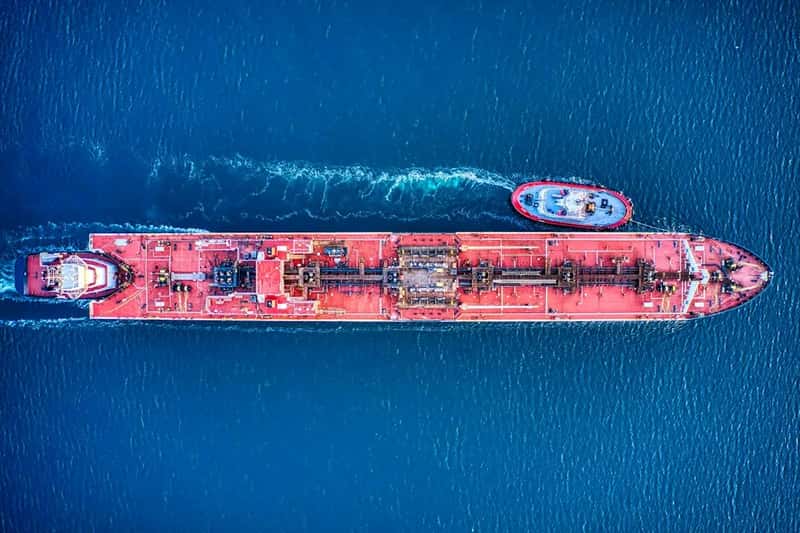
The crisis traces back to the closure of the Strait of Hormuz earlier in 2026, a chokepoint through which a key waterway carries roughly a quarter of the world’s maritime trade in crude oil and petroleum products, as well as around a fifth of liquefied natural gas[1]. When fighting between Iran and the US-Israel coalition escalated, the passage was largely shut to commercial shipping, and the International Energy Agency described the resulting disruption as the “largest supply disruption in the history of the global oil market”[2].
Europe felt this more sharply than almost any other region because of how it sourced its jet fuel. Before the war, refineries in the Persian Gulf produced and exported roughly a fifth of the world’s seaborne jet fuel, and when the Strait of Hormuz was disrupted those exports all but stopped, with most of them destined for Europe[3]. Wood Mackenzie’s Alan Gelder put the number even higher for Europe specifically, noting that flows through Hormuz accounted for 60% of European jet fuel imports[4], which explains why the shock landed so hard on this side of the Atlantic.
Why Europe Was So Exposed To A Single Chokepoint
Part of the problem was structural rather than accidental. Europe’s own refining capacity for jet fuel has shrunk over the years, and the region had grown reliant on ready-made imports rather than domestic production. ACI Europe put it plainly in its April letter to Brussels, warning that the episode exposed the reduced refining capacity of the EU for jet fuel production, and its acute dependence on imports from other world regions[5].
Country-level exposure varied widely too. Analysis pointed to Britain, France and Germany as especially vulnerable, since these three countries rely on foreign supplies for more than half of their annual demand, much of it from the Middle East[4]. Germany’s situation was complicated further by a domestic issue unrelated to the Gulf, since the Schwedt refinery that supplies Berlin’s airport struggled to secure crude after deliveries were halted amid fallout from Russia’s war in Ukraine[4].
The Worst Fears Did Not Materialize, But It Was Close

At the height of the scare in the spring, industry warnings were stark. ACI Europe told EU commissioners that if passage through the Strait of Hormuz did not resume in any significant and stable way within three weeks, a systemic jet fuel shortage was set to become a reality for the European Union[6]. By early summer, some reports described Europe’s reserves as holding less than a month of fuel[7], a level that would have been unthinkable a year earlier.
In the end, outright rationing at major hubs never became the norm. A Bloomberg review of the crisis concluded that earlier fears of getting stranded during the busy summer travel season had by then been all but eliminated[4], even as the episode raised lasting questions about supply chain resilience. Refiners also adapted quickly. Spain’s Repsol, for example, managed to increase jet fuel yields by up to 25%[4] by skewing its output mix toward the fuel that was suddenly in short supply.
Asian Cargoes And New Suppliers Fill The Gap
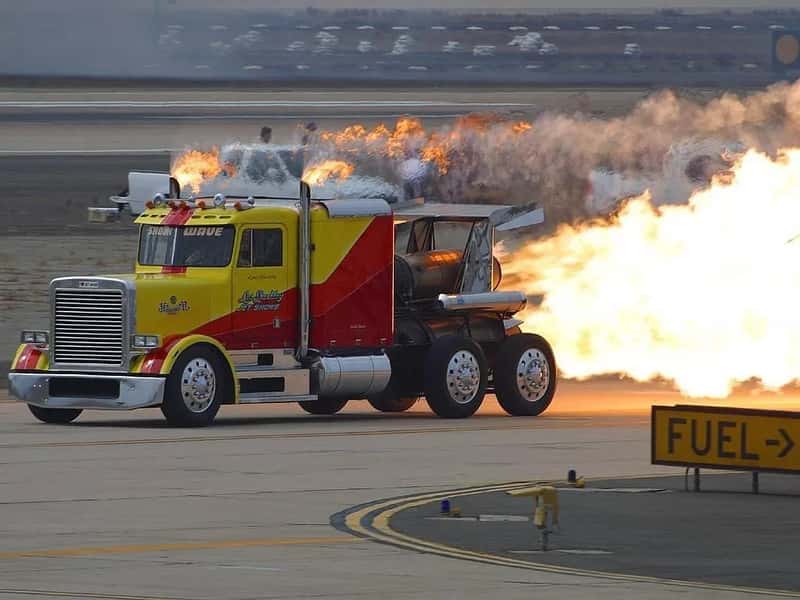
The turnaround since then has come largely from outside Europe. Trade intelligence firm Kpler expects nearly 900,000 tonnes of jet fuel from Asia to arrive in Europe in the coming months[8], a volume that should meaningfully reduce the risk of physical shortfalls even if it does little to bring prices back down. Europe has also diversified its supplier base away from a single region, having turned increasingly to South Korea, Nigeria and the United States after relying heavily on Middle East imports before the disruption[8].
The numbers back up the shift. Kpler’s most recent monthly figures show European jet fuel imports running at an average rate of approximately 672,000 barrels per day in September, including movements between European markets[9]. Analyst George Shaw of Kpler expects the improvement to continue into the final quarter, noting that Q4 should see less tightness than earlier in the year, as European aviation demand normally begins to fall significantly from November[8].
Smaller Airports Are A Different Story Entirely
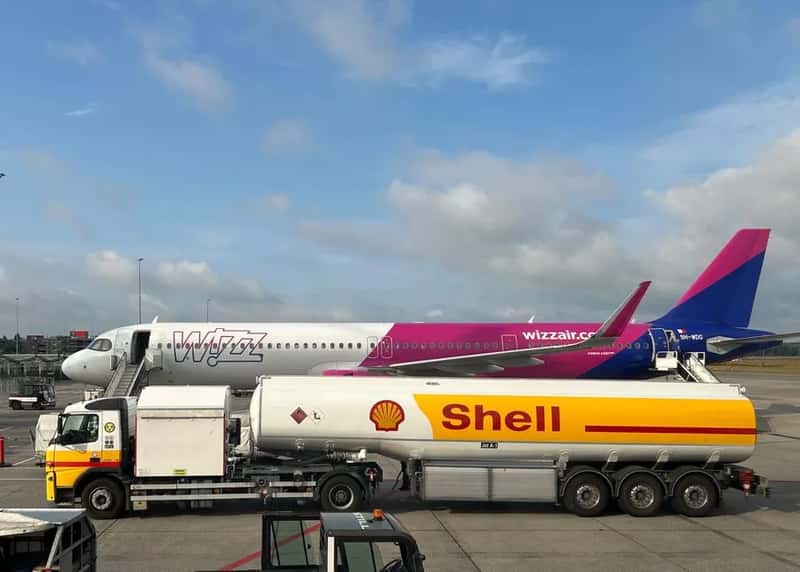
Despite the improving continental picture, the divide between big and small airports has widened rather than closed. Cirium’s chief industry officer Mike Malik summed up the split bluntly, saying that major hubs have avoided fuel shortages this year, but smaller airports have not[9]. The reason comes down to basic logistics rather than politics or price.
Regional airfields simply lack the infrastructure that lets big hubs absorb shocks. As Malik explained, smaller airports tend to have fewer suppliers, less storage and fewer alternative delivery routes, leaving regional and short-haul operators with less room to adapt[9]. Even at the largest airports the buffer is thin. Reporting on the crisis noted that while some larger airports such as Heathrow have on-site storage tankers, this is generally only enough for around seven days of flights at the absolute maximum[5], which gives a sense of just how little cushion exists further down the airport hierarchy.
ACI Europe Calls It An “Existential Threat”
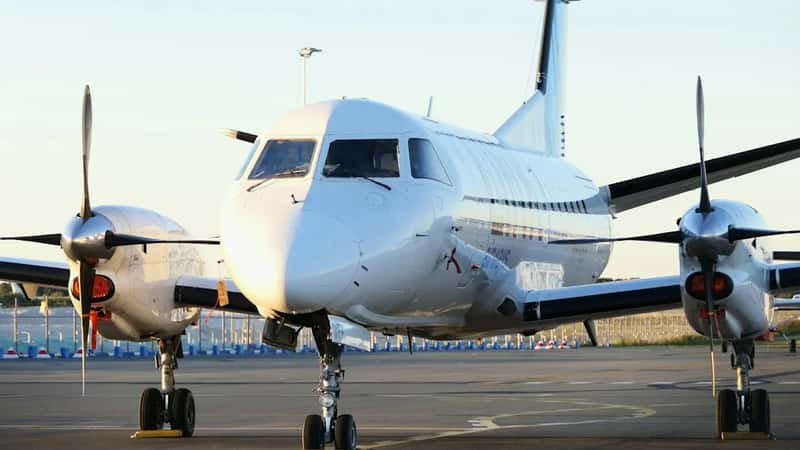
The airport industry’s own trade body has used unusually blunt language to describe the risk facing smaller fields. ACI Europe Director General Olivier Jankovec told the Regional Airports Conference in Turin that the current levels of jet fuel prices and the prospect of a new cost-of-living crisis mean many regional airports across the continent are likely to face both a supply and demand shock, calling it nothing short of an existential threat[10]. The concern is not abstract. ACI Europe specifically flagged that regional airports with annual traffic of less than one million passengers were particularly vulnerable to rising fuel prices, since airlines were more likely to cut routes to these airports than at larger hubs[11].
The economics behind that vulnerability are straightforward. Routes into smaller airports tend to carry thinner margins to begin with, and ACI Europe noted that demand on these routes is typically much more price-sensitive and price-elastic, making them less profitable for airlines to keep flying when costs rise[11]. When an airline has to choose which routes to trim as fuel costs bite, a lightly used regional link is the first casualty, not a flagship route into a capital city hub.
Prices Are Still The Real Pain Point

Even as the physical supply situation stabilizes, cost remains the sharper edge of this crisis. The latest data from the International Air Transport Association’s fuel price monitor showed that the average European jet fuel price rose to 207.56 dollars a barrel last week, the highest of any region and 27.8% above the previous month’s European average[8]. That is a striking jump for a market that industry watchers had hoped was calming down.
Part of the reason prices remain sticky even as volumes improve is jet fuel’s relationship to another stretched market. Kpler’s George Shaw explained that jet fuel will likely be subject to higher prices, especially as it is deeply linked to the diesel market, which is becoming even tighter and experiencing record prices recently[8]. Earlier in the year, at the height of the Hormuz disruption, prices had already doubled in Europe over the past year to 187 dollars per barrel as of May 1[12], so the current level represents a fresh climb rather than a return to normal.
A Separate Pressure Point: The SAF Mandate
Layered on top of the fossil fuel squeeze is a second, slower-moving supply challenge tied to Europe’s climate rules. Under the ReFuelEU Aviation regulation, a minimum supply mandate for sustainable aviation fuel started at 2% in 2025 and rises all the way to 70% by 2050[13]. The trouble is that actual production is nowhere near catching up. EASA’s own figures show that sustainable aviation fuel made up only 0.6% of all aviation fuel supplied at European Union airports in 2024, equivalent to 193,000 tonnes[14].
Industry voices warn this gap could eventually squeeze smaller airports in a different way than the fossil fuel crunch did. IATA has noted that ReFuelEU Aviation has sharply increased costs amid limited SAF capacity and oligopolistic supply chains, with fuel suppliers widening margins so much that airlines pay several times more than the underlying cost of production[15]. Analysts at S&P Global also flagged a geographic bias in how compliance will likely play out, predicting that major suppliers are likely to comply where it is cheapest and logistically easiest to blend, meaning significant action should not be expected in smaller Eastern European countries[16], precisely the kind of markets where regional airports are concentrated.
Airlines Are Already Adjusting Their Networks

Carriers have not waited for the situation to resolve itself before making changes. Lufthansa, Europe’s largest airline group by traffic, moved early and aggressively, having slashed 20,000 short-haul flights through October due in part to fuel costs[12]. That kind of capacity discipline tends to hit thinner, less profitable regional routes first, exactly the routes that connect smaller airports to the wider network.
Some carriers have also passed costs directly on to travelers rather than absorbing them. Spanish budget airline Volotea, for instance, decided to add a fuel surcharge on tickets, even on those that had already been purchased[17], an unusually aggressive step that reflects just how tight margins had become. For a passenger flying between two major cities, an airline can often find another route to protect. For a passenger relying on a single daily service into a regional airport, there is frequently no alternative at all.
What To Watch As Winter Approaches
The next few months look more forgiving than the spring and summer did, largely because demand naturally cools. Shaw’s assessment that the seasonal decline in air travel reduces the likelihood of airlines or airports being unable to secure enough fuel, but does not remove the pressure on prices[9] captures the split outlook well. Physical availability should broadly hold at the continental level, even if paying for that fuel remains expensive.
Underlying vulnerabilities have not disappeared, though. The EU’s new AccelerateEU plan, welcomed by ACI Europe, includes measures such as the establishment of an EU Fuel Observatory to map supply and stocks, alongside coordination with member states, fuel suppliers, airlines and airports to optimise distribution across the bloc[18], precisely the kind of monitoring that regional airports have been asking for. Whether that coordination reaches the smallest, most exposed airfields in time, or whether it mostly reinforces supply to the hubs that already manage fine, is the question that will determine how this winter actually plays out for regional air connectivity.
Europe’s jet fuel story in 2026 has been one of resilience at the top and fragility underneath. Wider supply lines have adjusted, prices have stayed painful but manageable, and the sector has avoided the systemic collapse that seemed possible back in April. Smaller airports, however, are still operating with thinner margins for error, fewer suppliers to call on, and route networks that airlines can trim the moment the numbers stop adding up. Until storage capacity, supplier diversity and SAF availability catch up at the regional level, the risk of localized fuel trouble at smaller European airports will not fully go away, even as the continent as a whole breathes easier.