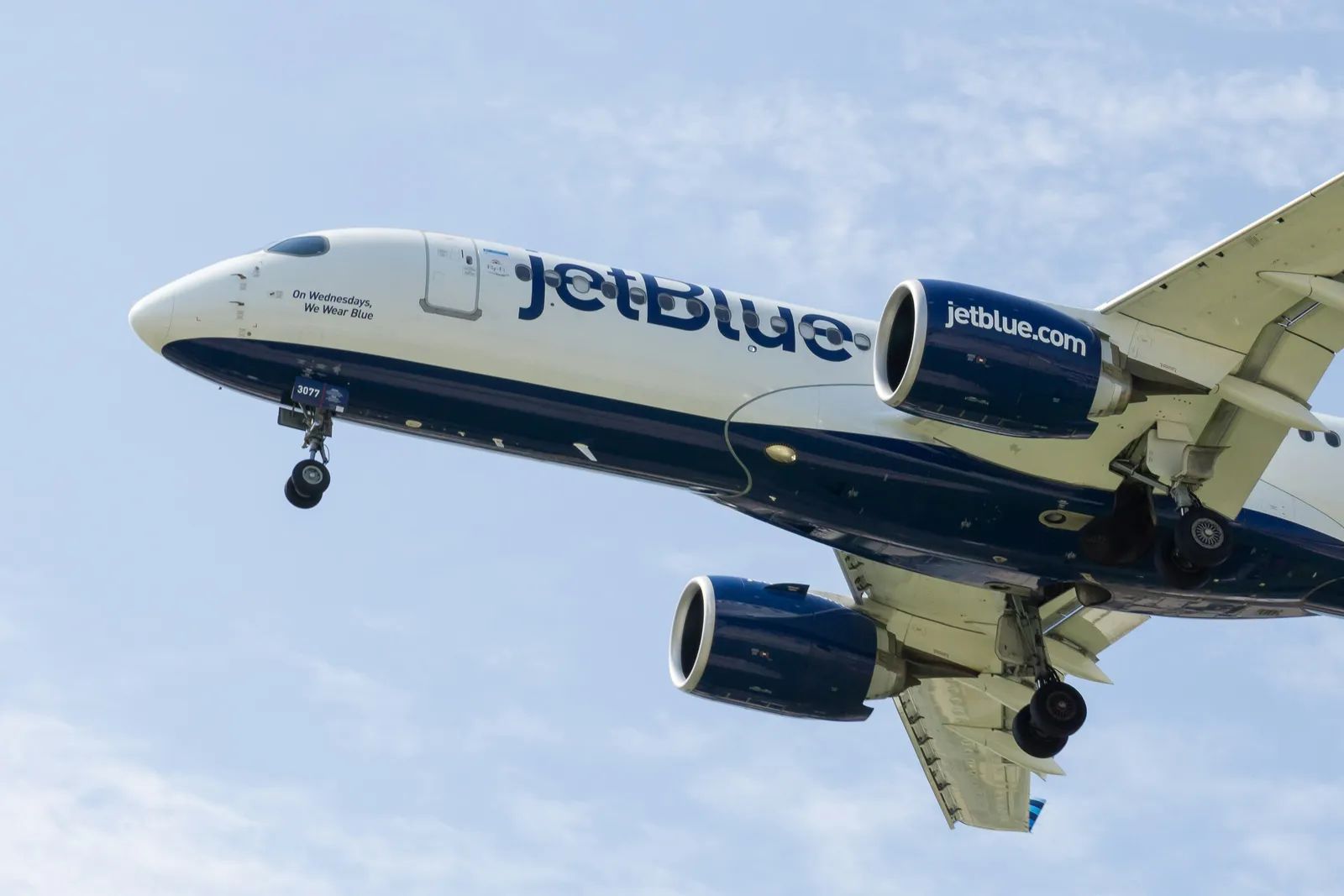
JetBlue executives made clear during their latest earnings discussion that the airline will continue rolling out premium seating and airport amenities even as fuel expenses climb and the carrier reports a quarterly loss. The decision carries direct implications for travelers seeking more comfortable options on East Coast routes and for those who fly frequently through South Florida. Passengers can expect the first BlueFirst domestic first-class flights to begin in December, with broader availability planned over the next two years. ([1])
Financial Pressures and the Decision to Proceed
JetBlue recorded a net loss of $257 million for the three months ending September 30, driven in part by fuel costs that rose nearly two-thirds from the prior year. The airline carries substantial debt and has faced questions about whether capital spending on new products should slow. Executives responded that the company holds $2.2 billion in liquidity and $7 billion in unencumbered assets, providing room to continue investments. They emphasized that the premium strategy forms a core part of the JetForward plan aimed at sustainable profitability by 2028.
Network realignment around East Coast leisure routes and growth at Fort Lauderdale-Hollywood International Airport remain central to that plan. Management noted stronger-than-expected revenue in the recent quarter and pointed to rising demand as evidence that the approach is gaining traction. The stock price rose roughly 20 percent on the day of the earnings release, reversing the prior session’s decline.
Introducing BlueFirst Domestic First Class
BlueFirst marks JetBlue’s first true domestic first-class product, distinct from the existing Mint business-class offering on select long-haul routes. The initial flights will operate between Boston Logan International Airport and Fort Lauderdale, with the first departure set for December 8. Additional routes will follow, reaching a majority of the fleet by the end of 2027 and full installation by 2028.
Early booking data shows encouraging overlap with the airline’s existing customer base. Roughly 35 percent of BlueFirst reservations so far were made with TrueBlue miles, while Mosaic elite members accounted for about a quarter of seats sold. Executives described the engagement as a positive signal that the new cabin can capture more premium demand from loyal flyers without requiring an entirely new audience.
Lounges, Credit Cards, and Loyalty Growth
BlueHouse lounges at New York John F. Kennedy International Airport and Boston have already contributed to higher engagement with the TrueBlue program. Signups for the premium co-branded credit card increased eightfold compared with the previous year, and overall card spending rose by double digits. The Blue Sky partnership with United Airlines has expanded the destinations available for mile redemptions, addressing a prior limitation.
Revenue from the loyalty program itself grew 20 percent year over year. Record numbers of active members and elite status qualifiers were reported for the quarter. These trends suggest the combination of new seating, lounges, and partnerships is strengthening retention even before the full rollout of first-class cabins is complete.
Fort Lauderdale Expansion and Market Share Gains
JetBlue has increased capacity at Fort Lauderdale by 65 percent compared with the same period last year, capitalizing on the exit of Spirit Airlines from the market. Unit revenue at the airport improved, and the carrier’s seat share is projected to reach approximately 37 percent by year-end. Co-branded card signups in South Florida rose 55 percent during the same timeframe.
The focus city strategy aligns with broader network adjustments that prioritize leisure routes along the East Coast. Executives view the combination of higher capacity, premium products, and local credit-card growth as mutually reinforcing elements that support long-term financial stability.
Travelers on JetBlue routes can anticipate more opportunities to book upgraded cabins and access lounges as installations continue. The airline’s choice to maintain investment levels despite near-term cost pressures reflects a calculated bet that premium revenue will help offset volatility in fuel prices and support the path to consistent profitability. How quickly those benefits materialize will depend on sustained demand and execution of the remaining fleet upgrades.