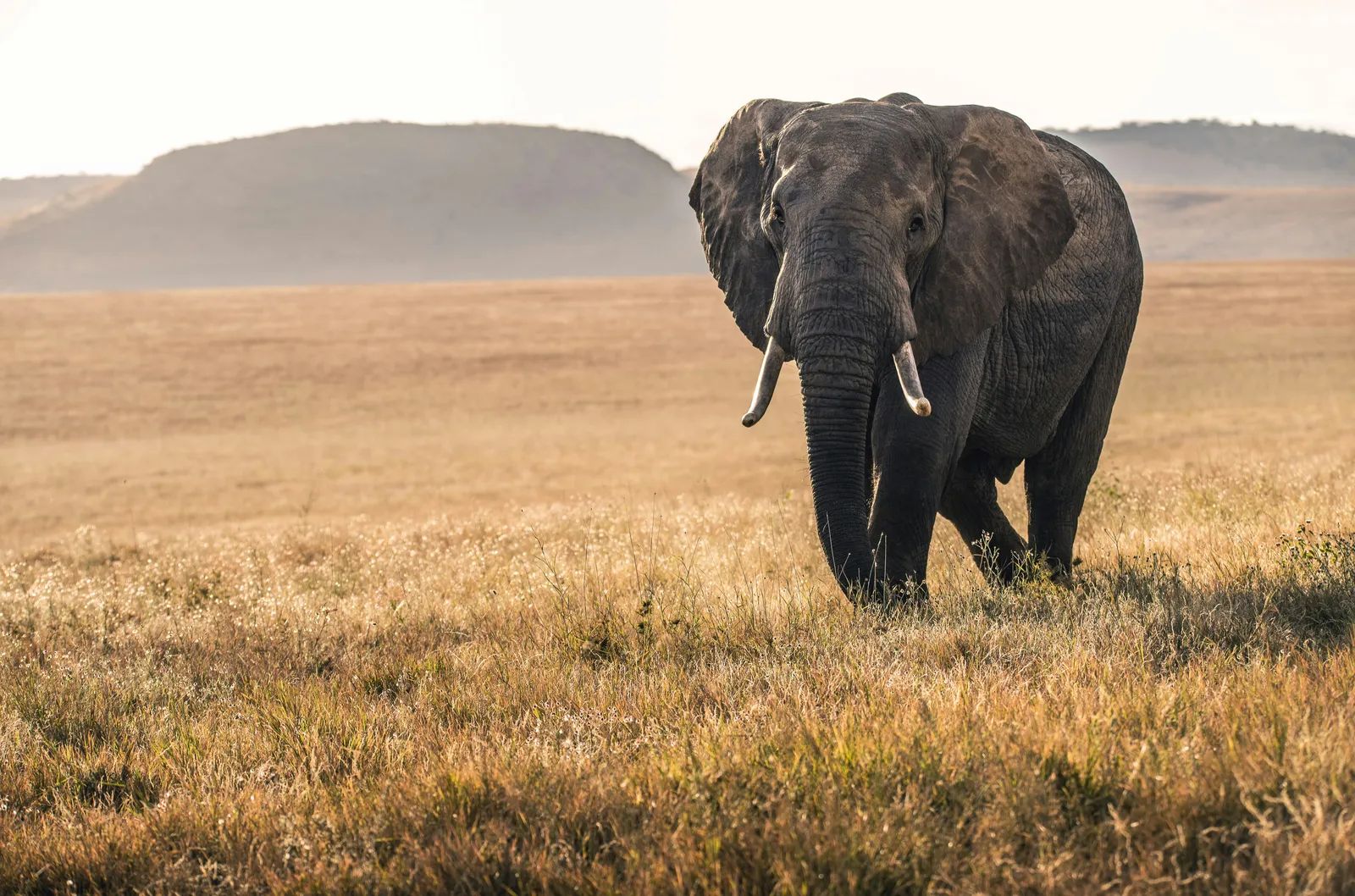
Kenya has unveiled a decade-long conservation effort backed by $160 million in combined public and private funding. The program targets existing protected zones and community lands spanning 31 counties while adding new conserved territory. It seeks to deliver measurable gains for both ecosystems and the people who depend on them. ([1])
Scale and Geographic Reach
The initiative covers 17.3 million hectares, or roughly 43 million acres, of land already under some form of conservation or community management. Officials also plan to designate an additional 2.7 million hectares as protected areas over the coming years. This combined footprint represents one of the larger coordinated conservation commitments in East Africa in recent times.
The effort stretches across 31 counties, touching both well-known national parks and less publicized community conservancies. By working at this scale, planners aim to connect fragmented habitats and strengthen ecological corridors that support wildlife movement and water flows.
Financing Model and Timeline
The Kenyan government has allocated $80 million as seed capital, with philanthropic partners expected to match that amount. The structure follows the Project Finance for Permanence approach, which locks in multi-year funding rather than relying on annual budget cycles. This model is intended to provide predictability for long-term management and accountability.
Launched on October 21 at Tsavo West National Park, the 10-year program runs through 2036. Tourism and Wildlife Cabinet Secretary Rebecca Miano represented President William Ruto at the event. Partners include the Kenya Wildlife Service, The Nature Conservancy, and Enduring Earth.
Intended Benefits for Communities
Project documents project direct benefits for 1.6 million people living in or near the target landscapes. Job creation is estimated at nearly 22,800 positions tied to conservation work, tourism support, and related enterprises. The program name, Thamani Asili, translates as “value of nature” and underscores the dual focus on biodiversity and human well-being.
Improved water security and climate resilience rank among the stated goals. By channeling funds into community-managed areas, the initiative seeks to align local livelihoods with habitat protection rather than treating the two as competing priorities.
What Matters Now
The shift toward predictable, multi-year financing could reduce the stop-start pattern that has limited many past conservation projects in the region.
Success will depend on how effectively the partners coordinate across government agencies, NGOs, and county-level authorities. Early priority landscapes have been identified, though detailed implementation plans remain under development.
Observers note that sustained political support and transparent reporting on spending and outcomes will determine whether the model delivers lasting results. The coming months will likely reveal the first concrete steps in rolling out the expanded conservation zones.