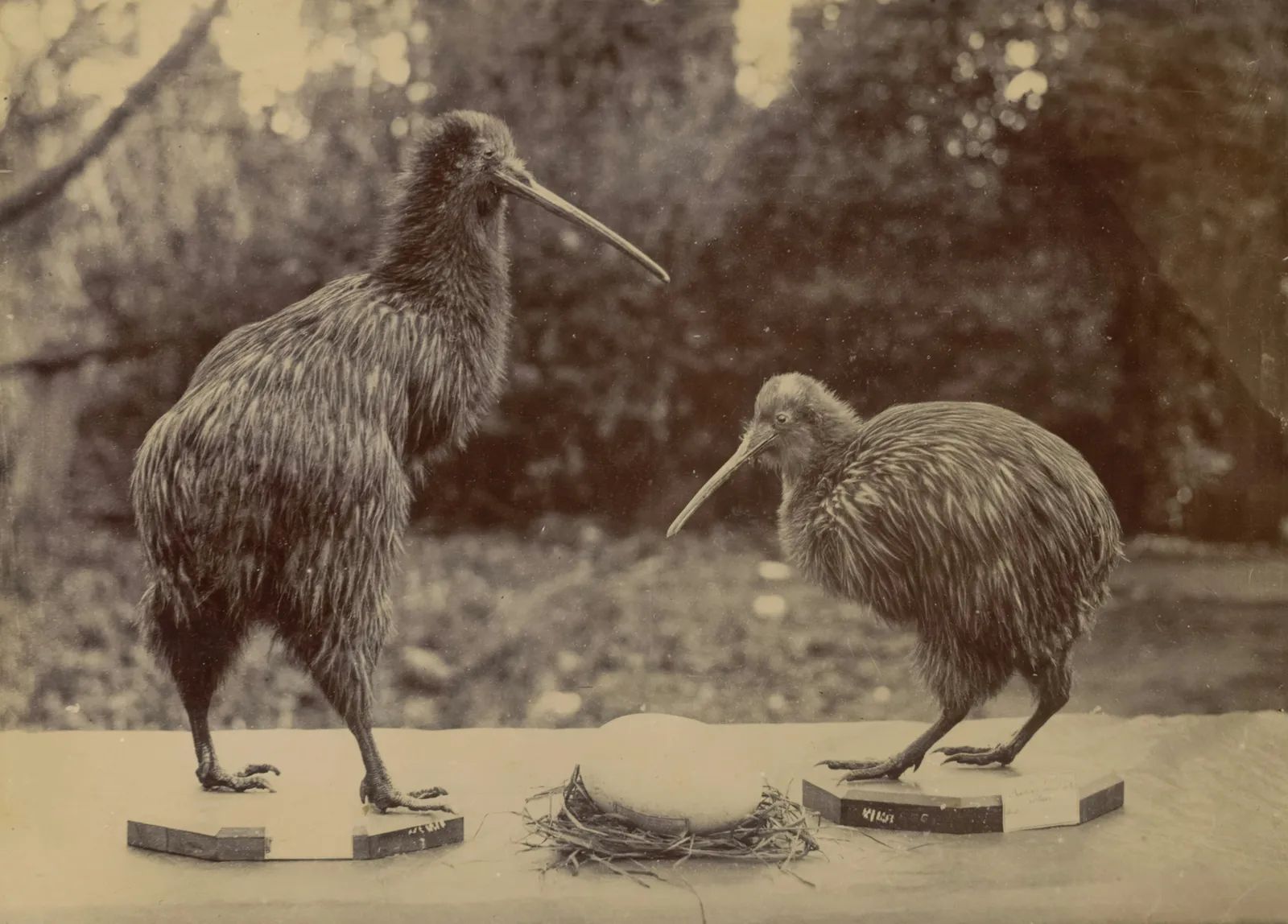
Wellington, New Zealand – More than 250 kiwi now live in the hills around the capital for the first time in roughly 150 years. The return stems from sustained work by local iwi, community volunteers, and landowners through the Capital Kiwi Project. The effort combined predator control with careful relationship building across the region.
The Scale of the Comeback
The translocation marks a clear shift for a species long absent from the area. Project teams moved the birds into suitable habitat after years of preparation. Success depended on removing threats that had kept kiwi populations from recovering naturally. The milestone reflects coordinated action rather than a single intervention. Local residents played a direct role in monitoring and supporting the birds once they arrived. Many had never encountered a live kiwi before the project began. Their involvement helped ensure the new arrivals settled without immediate setbacks. The scale of the release, exceeding 250 individuals, stands out as one of the larger recent efforts of its kind in the country.
Removing the Main Predator
Stoats posed the greatest barrier to young kiwi survival. These predators target chicks before the birds reach about one kilogram, the weight at which they can better defend themselves. Project teams addressed the problem by installing more than 5,300 traps across roughly 24,000 hectares. The trapping network reduced stoat numbers enough for the translocated birds to have a realistic chance of raising offspring. The work required ongoing maintenance and adjustment of the trap lines. Teams tracked results through regular checks and data collection. Without this sustained pressure on the predator population, earlier attempts at reintroduction would likely have failed. The approach shows how targeted removal of one threat can open the door for broader recovery.
Relationships at the Center
Paul Ward, the project founder and lead, described the effort as resting on three core relationships. These include ties with iwi and Māori communities, connections with local residents, and agreements with landowners. He noted that removing any one of those elements would cause the entire structure to collapse. The project therefore treated relationship building as equal in importance to the technical work of trapping and translocation. Years of dialogue preceded the first releases. Iwi provided cultural guidance and approval at each stage. Landowners granted access to private land that formed much of the project area. Community members contributed time and local knowledge that helped shape practical decisions. The emphasis on these links distinguishes the initiative from more centralized conservation programs.
Practical Outcomes and Next Steps
The return of kiwi brings measurable changes to the local environment and to how people interact with it. Residents now encounter signs of the birds in areas where none had been seen for generations. The project continues to monitor breeding success and adjust management as needed. Early results indicate that the combination of predator control and community stewardship is producing stable conditions for the new population. Further expansion of the protected area and additional releases remain under discussion. The model developed here may inform similar efforts elsewhere in New Zealand. Success ultimately rests on maintaining the same three-way partnership that made the initial return possible. The birds are present again, yet their long-term presence depends on continued vigilance and cooperation.