For centuries, Lake Ontario has been just that: Lake Ontario. It borders New York State to the south and the Canadian province that shares its name to the north, and it has quietly gone about its business as the smallest of the five Great Lakes by surface area. Then, in the space of a few weeks in the summer of 2026, it became something else entirely: a flashpoint in a trade war, a symbol of national pride on two sides of a border, and a real-time case study in what actually happens when a president decides a body of water needs a rebrand.
The saga of “Lake America” did not stay a joke for long. It moved from a social media post to an Oval Office signing ceremony, then into the machinery of federal databases and digital maps, all while Canadian officials insisted the lake would keep its old name regardless of what Washington decided. It is a strange, very modern story about geography, sovereignty, and the limits of a president’s pen.
How the idea surfaced
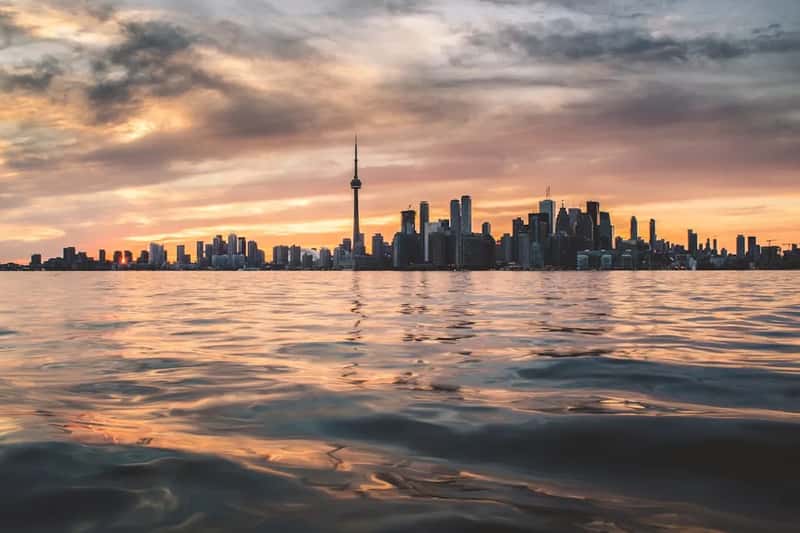
The renaming push did not come out of nowhere. President Donald Trump announced he was giving “serious consideration” to renaming Lake Ontario “Lake America,” mirroring his earlier move to rename the Gulf of Mexico to Gulf of America early in his second term.[1] It read at first like classic Trump trolling, the kind of proposal designed to generate headlines more than policy.
He backed the idea with visuals almost immediately. Trump posted an altered map of the lake and surrounding area on his social media platform, depicting the lake with its official “Lake Ontario” label crossed out and replaced with a “Lake America” label in a larger, gold-colored font alongside a graphic of an American flag.[1] Within days, what had looked like a passing threat during a war of words with Ontario’s premier turned into something with actual legal paperwork behind it.
From threat to executive order
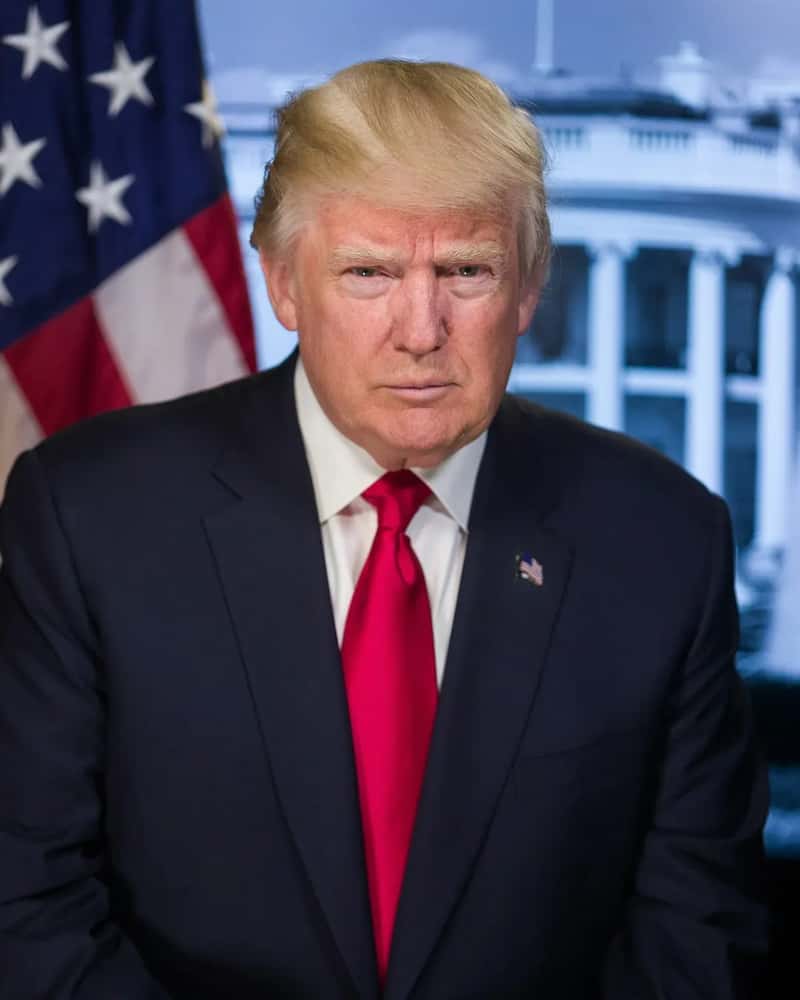
The turning point came in late August 2026, when talk finally became action. Trump signed an executive order to change the name of Lake Ontario to “Lake America” as tensions with Canada worsened, directing the interior secretary to carry out the change.[2] He made the announcement inside the Oval Office, seated near a map already relabeled with the new name.
Trump did not treat this as symbolic gesture alone. “This is official, effective immediately,” Trump said after signing the order, adding that he had “filed all the necessary papers, documents, everything else” for the name change and that “we’ve done everything that you have to do.”[3] The order itself leaned on a geographic technicality to justify the move, noting that “the deepest parts of the Lake’s waters lying within United States territory, the United States claims most of the Lake’s volume,” and that the “Lake has long been an integral asset to American exploration, settlement, commerce, and defense.”[3]
The trade war backdrop
None of this happened in a vacuum. The renaming arrived amid a rapidly souring economic relationship between Washington and Ottawa. Trump signed the executive order to change the name of Lake Ontario to “Lake America” after Canada declined to capitulate in the trade war he had recently launched.[4] Trade talks had collapsed entirely just days earlier, and both governments were already trading blame over who scuttled the deal.
The tariff numbers involved were not small. The president enacted fifty percent tariffs on roughly twenty billion dollars worth of Canadian goods over the weekend, and Canada quickly followed suit by announcing increased tariffs on various US products.[5] Against that backdrop, a lake’s name might sound trivial, yet it became a convenient, highly visible way for Trump to needle a neighbor he felt was not playing fair on trade.
Canada’s answer: no thanks
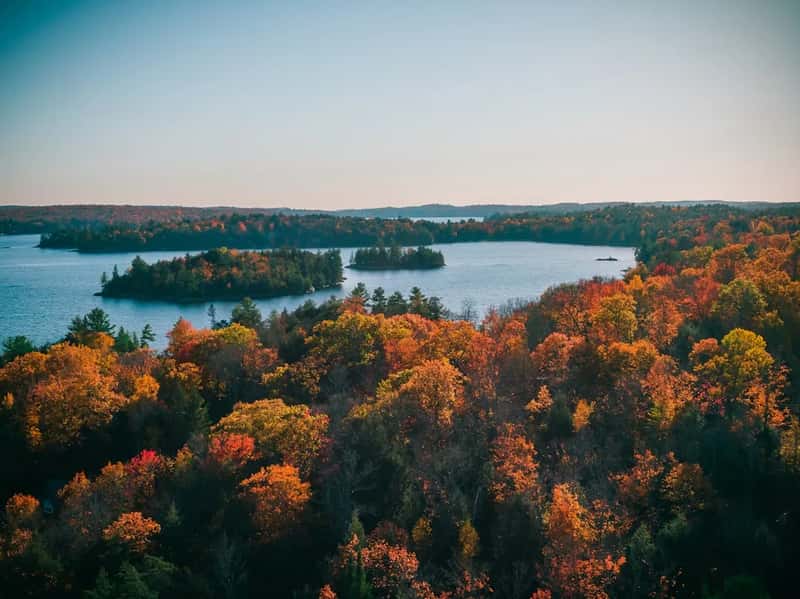
Ottawa’s response was swift and dismissive. Prime Minister Mark Carney made clear the new label would not be recognized north of the border, and he leaned on history to make his point. Carney noted that the name Lake Ontario comes from the Wendat word Ontari’io, meaning “the lake is beautiful, the lake is big,” and that the name is more than four hundred years old, predating both the Confederation of Canada and the Declaration of Independence of the United States.[3]
Ontario’s premier joined the pushback with a blunter message. Doug Ford wrote, “It’s Lake Ontario to Canadians and the rest of the world. Now and forever.”[5] A Columbia University scholar even suggested a tongue-in-cheek retaliation, noting that Canada could theoretically rename Lake Superior if it wanted to, joking that “Canada could rename Lake Superior, ‘Lake Obama,’ and I think that would go over really well in the White House.”[5]
What the maps actually show

Digital cartography turned out to be the real battleground. Within days, the change rippled into consumer technology. The US Geographic Names Information System officially changed the name of the lake to Lake America within the US, and on Saturday, Google Maps announced that the lake would be displayed as “Lake America” for users within the US.[7]
This is not the first time a mapping company has had to navigate a naming clash, and the company has a fairly consistent playbook. Google’s general approach, seen previously with the Gulf of Mexico dispute, is “People using Maps in the U.S. will see ‘Gulf of America,’ and people in Mexico will see ‘Gulf of Mexico.’ Everyone else will see both names.”[8] Given that pattern, most observers expect a similar split-screen approach for Lake Ontario, with American users seeing one label and Canadian users seeing another.