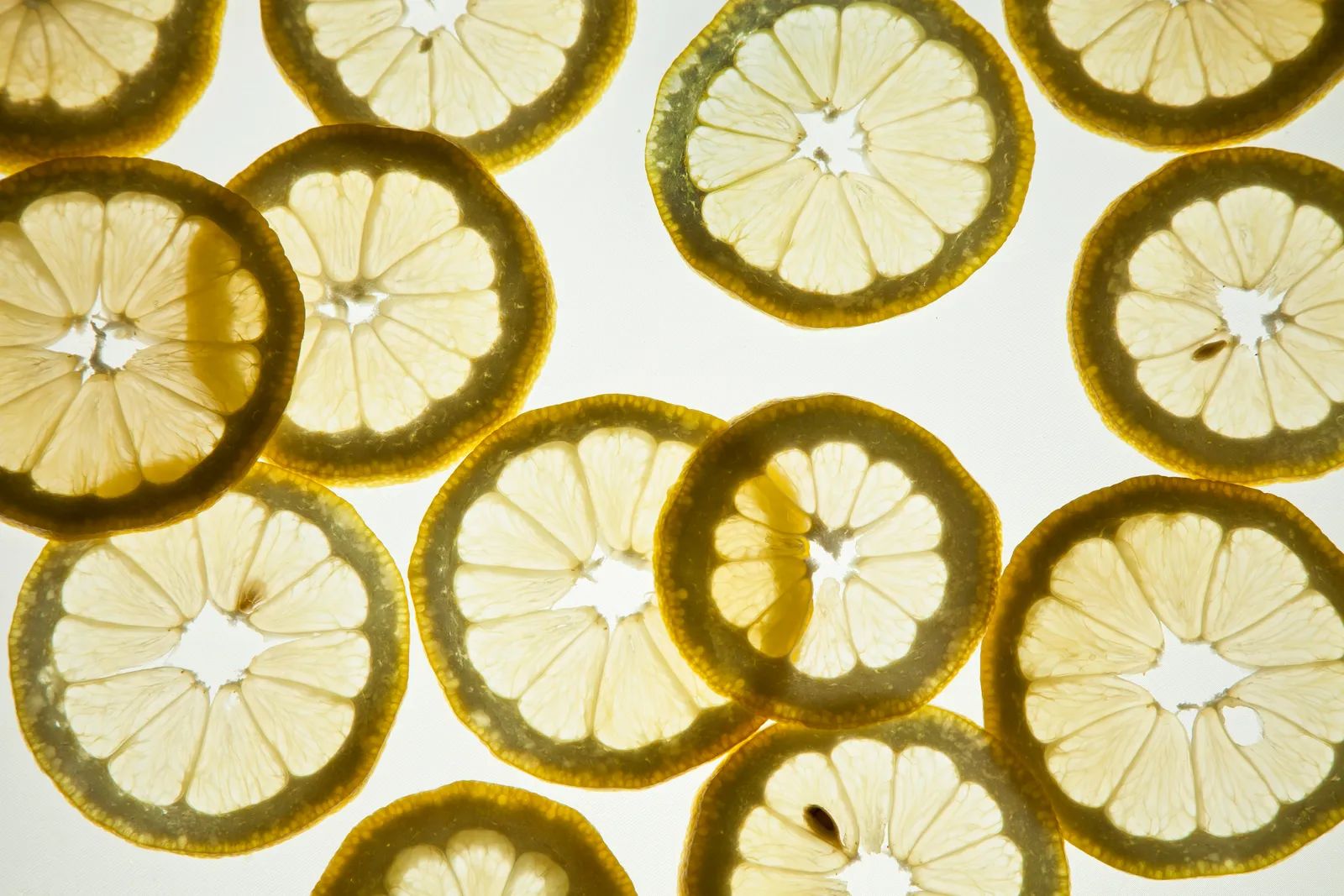
Many households discard lemon halves after a quick squeeze, yet the peels hold practical value for everyday tasks. A simple approach turns what might seem like waste into a light household resource, provided users follow basic safety steps and respect surface limitations. The method draws from established extension service guidance on citrus handling and cleaning routines.
A Fresh Scent Without Extra Products
Placing peels in a pot of water and letting them simmer creates a gentle citrus aroma that fills the kitchen. Home cooks often add a cinnamon stick or bay leaf for extra depth, though the peels alone deliver noticeable results. The process requires attention because any simmering liquid on the stove demands regular checks to prevent the pot from boiling dry. Safety organizations note that unattended cooking remains a leading cause of kitchen fires, so a timer and presence in the home help keep the practice safe.
Drying Peels for Longer Use
Properly dried peels extend their usefulness beyond a single day. Extension resources recommend scrubbing the fruit first, removing only the thin outer layer while avoiding the bitter white pith, then drying at around 140 degrees until crisp. Once stored in airtight containers in a cool, dark spot, the peels stay viable for months and work well in fabric sachets placed in drawers. Damp or soft peels should be skipped to prevent mold.
Additional Everyday Applications
Small amounts of peel can go into a compost bin, where they break down slowly and benefit from being cut into pieces or buried. A cooled batch of steeped peel water offers a light wipe on compatible counters after testing a hidden spot first. The same water can serve as a finishing touch on washed fridge shelves once they have been cleaned, rinsed, sanitized, and dried according to standard protocols. These steps complement rather than replace soap and water or proper sanitizers.
The Surface That Needs to Stay Off Limits
Natural stone surfaces require different care. Acidic liquids, even in diluted form, can etch or dull granite, marble, quartz, and soapstone over time. Extension guidance consistently advises mild dish soap and warm water for these materials instead. Users should check manufacturer instructions for any sealed finish before trying peel water.
Lemon peels represent a modest way to reduce waste while adding a subtle scent or light cleaning aid at home. The approach stays simple when paired with established cleaning routines and surface awareness.