Most first time visitors assume Portugal’s two big cities are close cousins. Both have hills, tiled facades, custard tarts and a river or ocean never far away. On paper, the choice between them looks like a coin toss.
In practice, they behave differently when you look at the price of a hotel room, the density of the crowds on a July afternoon, or how often you’ll need an umbrella. Here is how the numbers and seasonal patterns line up, so you can pick a starting point with fewer surprises.
What a Typical Day Costs in Each City
Porto is the cheaper of the two, though estimates of the gap vary by source. One 2026 guide puts Porto at roughly ten to fifteen percent cheaper overall, with Lisbon more expensive, especially for accommodation[1]. Another comparison lands closer to twenty or twenty five percent, so treat any single figure as a rough guide.
One 2026 comparison lists an average daily budget of €70 to €110 in Lisbon and €55 to €90 in Porto[2]. For context, Lisbon is clearly cheaper than London, Paris and Amsterdam, and a little more expensive than Porto[3]. A traveler who wants a decent room, proper meals and paid sights should think in the €100 to €150 per day range[3] in Lisbon.
Hotels and Rentals Are Where the Gap Opens Up
Accommodation is the biggest difference between the cities. A midrange hotel or rental in central Lisbon runs about €120 to €180 a night, while a similar place in Porto is closer to €80 to €130[4]. Another guide reports a similar split for four star hotels, with Porto at about €95 to €130 per night against €120 to €160 in Lisbon during peak season[1].
Lisbon’s prices have climbed in recent years, and one guide ties part of that to the digital nomad boom[4]. Porto is not immune, though. A 2026 guide says both cities have become markedly more expensive over the past few years, and Porto is catching up fast[5].
Tourist Taxes Added in 2024

Both cities charge a nightly tourist tax, and both raised it recently. Lisbon doubled its tax from €2 to €4 per person per night on September 1, 2024[6]. Porto followed in December 2024, raising its tax from €2 to €3 per person per night[6].
Both caps apply after seven nights, and children under 13 don’t pay. In Lisbon the tax applies to guests aged 13 and over, with no seasonal variation[7]. Porto’s total tops out at a maximum of €21[8]. Many booking sites don’t show it, so check whether your hotel collects it at check in.
Food, Coffee and Everyday Spending

Eating well is easy on a budget in either city, but Porto edges ahead again. One 2026 snapshot shows a coffee at €0.90 to €1.30 in Lisbon against €0.80 to €1.10 in Porto[5]. The same table puts a midrange dinner for two at €50 to €75 in Lisbon and €40 to €60 in Porto[5].
Watch for the small extras. Some Portuguese restaurants charge €1 to €2.50 per person for bread, butter and olives brought to the table automatically[9]. You can decline them, but you need to say so before you start eating.
How Busy Each City Really Gets

Portugal as a whole keeps setting tourism records. Overnight stays reached a record 80.3 million in 2024, a 4.1 percent increase[10]. Lisbon takes the largest slice, with one report based on national statistics giving it nearly a quarter of national overnight stays[11] in late 2025.
That scale shows up on the ground. Lisbon is the main gateway for international arrivals, and its tourist tax brought in nearly 49.51 million euros in 2024 alone[12]. Porto is smaller and more compact, and one seasonal guide says it offers far fewer crowds than Lisbon in peak season[13].
Timing Your Visit Around the Crowds
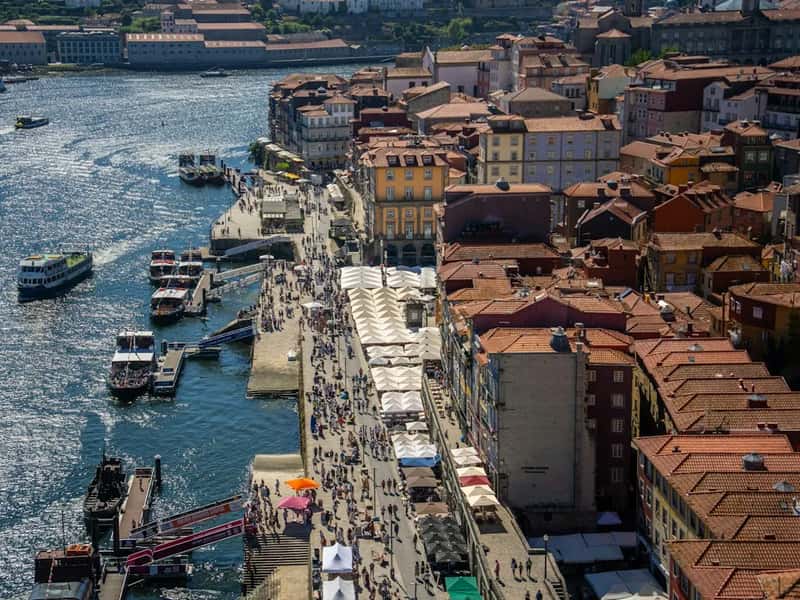
August is the month to plan around. One 2026 guide notes that it’s when Lisbon and Porto can feel genuinely crowded[14], even though many locals head to the coast. The calmer stretch comes later, since October and November bring warm afternoons, low crowds and lower room rates[14].
Festivals are another factor, and they cut both ways. Lisbon’s June street parties, the Santos Populares, are a draw, while Porto’s São João festival is popular enough that one guide advises booking by January for a June visit[15]. If you want atmosphere, go for it. If you want quiet, avoid those dates.
Temperatures Run Warmer in Lisbon
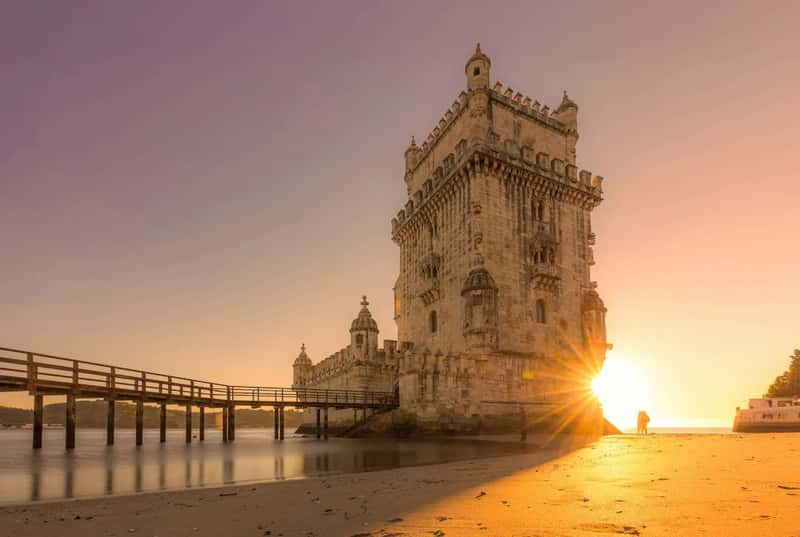
Lisbon is the warmer city, especially in summer. Its average highs reach about 28 degrees Celsius in July and August[16]. In Porto, climate averages show July and August highs of about 24.2 and 24.8 degrees[16].
Winter narrows the gap but doesn’t close it. The average January temperature is around 10 degrees in Porto and 12 degrees in Lisbon[16]. A Porto summer day tends to be easier for long walks, while Lisbon rewards an early start and a long lunch.
Rain Is the Bigger Difference
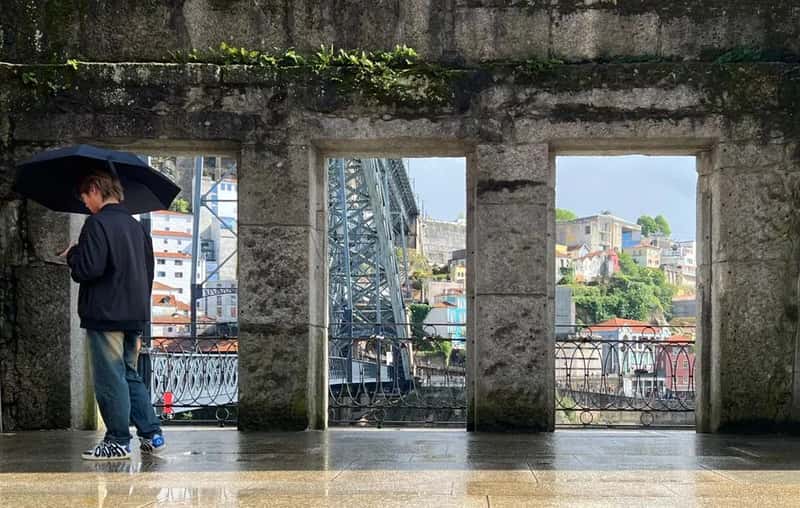
Porto is noticeably wetter. Climate records give it about 1285 millimeters of rain a year[17], compared with roughly 774 millimeters in Lisbon[18]. Different datasets give slightly different totals, but the direction is consistent.
The contrast is sharpest in winter and spring. January in Porto brings about 160 millimeters of rain over 13 days[16], and one guide warns that April is surprisingly wet in northern Portugal[13]. In July, Lisbon typically sees only around 4 millimeters[19], so pack accordingly if you’re going to Porto outside summer.
Best Months for a First Trip
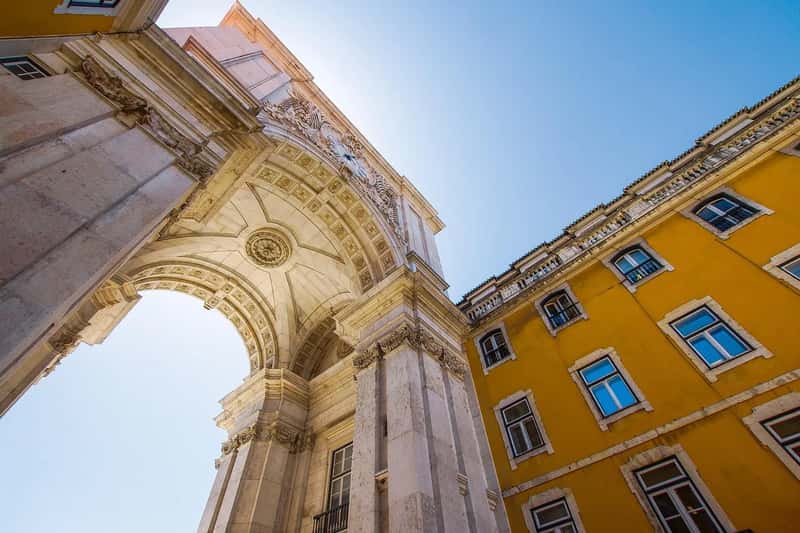
For either city, spring and early autumn tend to win. A 2026 shoulder season guide recommends April to May or September to October, with temperatures of 18 to 24 degrees and manageable crowds[20]. It also points out that September in Porto has the Douro harvest as a bonus[20].
Prices follow the same pattern. Lisbon hotels in May run about €100 to €140, still around a quarter below July[21]. Across Portugal, mid-range hotel prices can be 40 to 60 percent higher in summer than off season[9], so shifting your dates by a few weeks can matter more than choosing one city over the other.
Which City Suits a First Visit
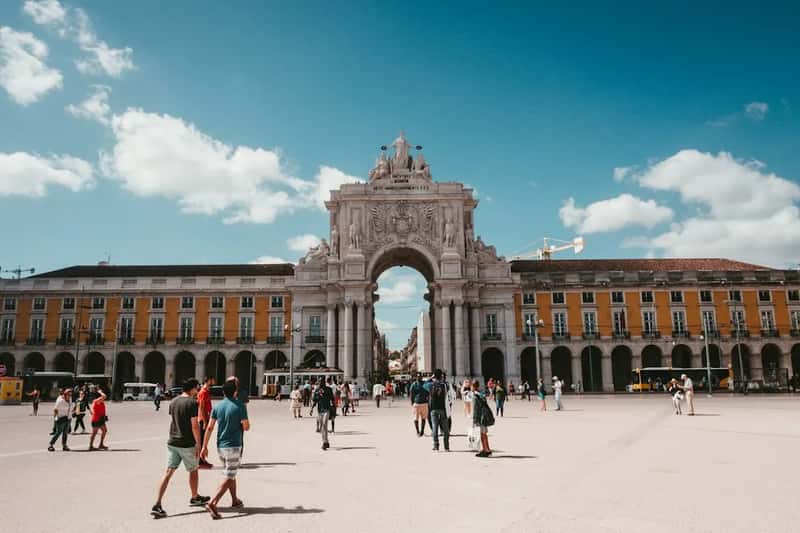
Choose Lisbon if you want the larger city, more day trips, and warmer, drier weather. Sintra and Cascais are the usual escapes, and Cascais beaches are 30 to 45 minutes away[2]. Expect to pay more for a bed and a tourist tax of €4 a night.
Choose Porto if cost and a compact center matter more. Beaches such as Foz do Douro are 15 to 20 minutes away[2], and full day Douro Valley tours run eight to ten hours and cost roughly €80 to €120 per person[4]. Pack a rain jacket outside the summer months.