Most long-distance drivers punch straight through to the destination, treating every mile between A and B as dead time. That mindset is exactly backwards – the drivers who log the most miles know better.
The stops that look like tiny detours on a map often become the stories you’re still telling twenty years later. Here’s what seasoned long-haulers actually pull off the highway for, ranked from worth-it to unmissable.
#17 – Wall Drug, Wall, South Dakota
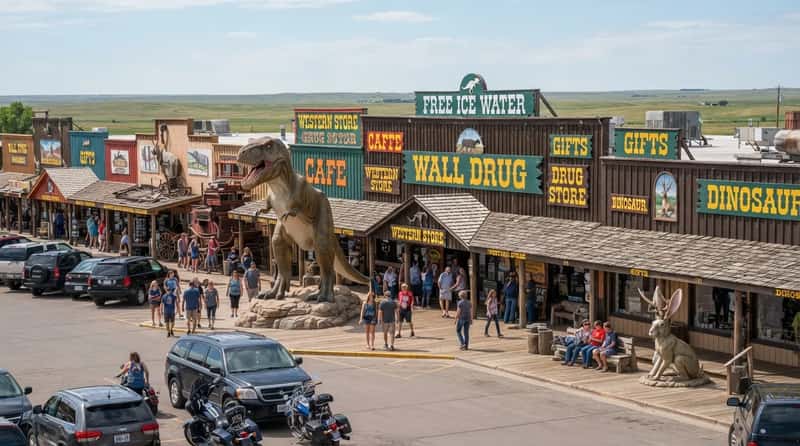
Wall Drug sounds like a punchline – a dusty drugstore in the middle of nowhere. It’s anything but ordinary.
Billboards for this place start appearing hundreds of miles away, turning the drive itself into a slow build of anticipation. Jackalope statues and a sprawling western-town gift shop wait at the end of it.
The free ice water offer has been running since the Great Depression, and it still works as a lure today.
Most I-90 drivers plan for a quick stretch break. Most end up staying an hour longer than they meant to.
But that’s nothing compared to what we found about #16…
#16 – The Corn Palace, Mitchell, South Dakota
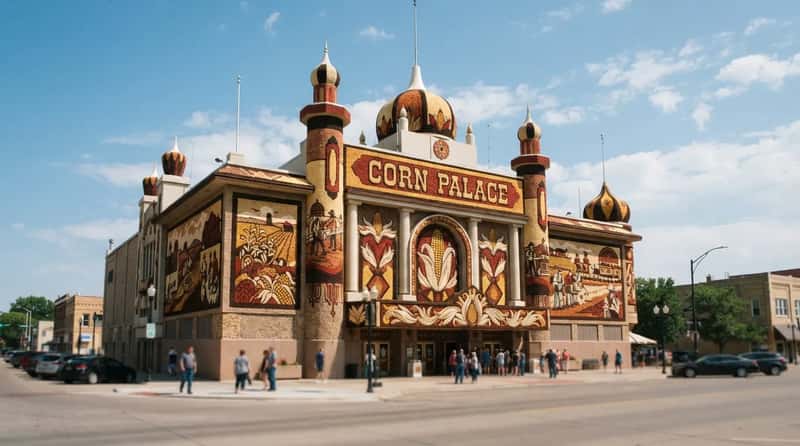
You’ve never seen a civic building quite like this one.
The Corn Palace looks like someone decorated a public arena after raiding a grain elevator – its murals are built entirely from corn and other grains. It’s been a working community hub since the 1890s, making it one of the oldest roadside attractions still running in America.
The murals are torn down and replaced every single year, so no two visits ever look the same.
Admission and parking are free, which makes this an easy stop to justify. Just check the events schedule first – shows inside can limit what you’re able to see.
But that’s nothing compared to what we found about #15…
#15 – Iowa 80 Trucking Museum, Walcott, Iowa
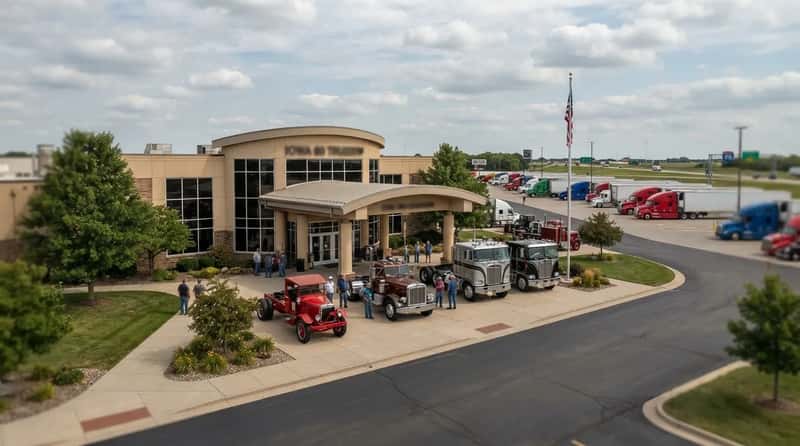
Most drivers blow past Walcott, Iowa, without a second thought. That’s a genuine mistake.
Iowa 80 is billed as the world’s largest truck stop, but the real find is next door – the Iowa 80 Trucking Museum, packed with restored rigs and transportation memorabilia. Donations are welcome, but there’s no ticket required.
The collection spans decades of American trucking history, telling the story of how goods moved before the interstate system existed.
Fast Facts
- Opened in 1964 and now sits on roughly 220 acres just off I-80.
- Parking for 900 trucks with 15 diesel fuel lanes running around the clock.
- Around 5,000 visitors pass through on a typical day.
- The trucking museum next door is donation-based, not ticketed.
Kids are fascinated. Adults are the ones who end up genuinely surprised.
But that’s nothing compared to what we found about #14…
#14 – The Enchanted Highway, Regent, North Dakota
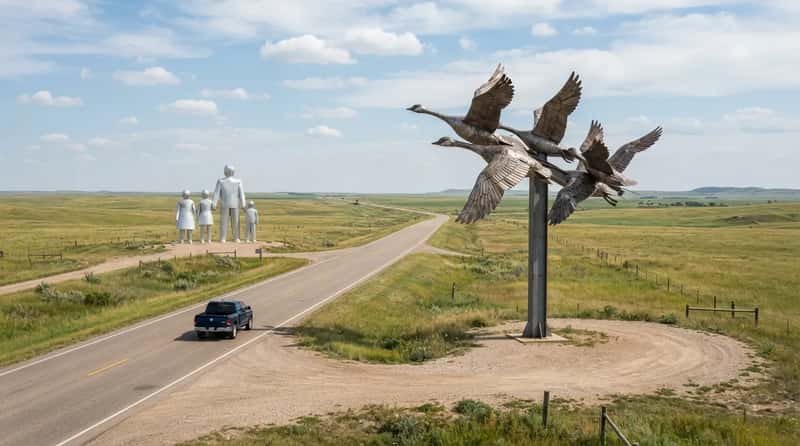
Most people think North Dakota is just flat and empty. The Enchanted Highway proves otherwise.
Artist Gary Greff filled the route south of I-94 with giant steel sculptures – geese in flight, oversized grasshoppers, pheasants, a towering tin family. These aren’t small roadside photo props; they’re visible from miles away.
The sculptures are completely free to see, spread across a 32-mile stretch of two-lane highway.
Winter weather can complicate the detour, so plan for warmer months if you can. The isolation only makes the scale hit harder.
But that’s nothing compared to what we found about #13…
#13 – Multnomah Falls, Columbia River Gorge, Oregon
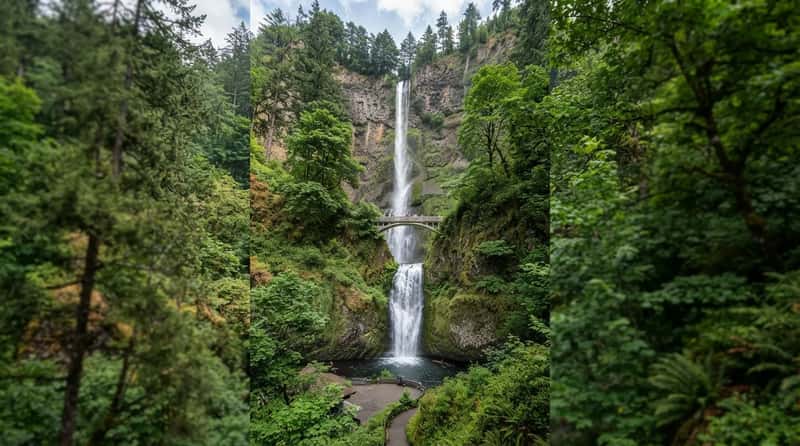
Oregon’s Columbia River Gorge is one of the most underrated highway corridors in the country – and Multnomah Falls is its crown jewel.
This stretch of the historic highway runs alongside the Columbia River and passes dozens of waterfalls, but Multnomah is the one everyone stops for. It drops over 600 feet in two tiers, making it one of the tallest year-round waterfalls in the entire United States.
Most drivers passing through Portland have no idea they’re thirty minutes from this.
Eagle Creek Trail nearby is one of the most popular hikes in the area. Give the falls at least a half-day if your schedule allows it.
But that’s nothing compared to what we found about #12…
#12 – Marfa, Texas
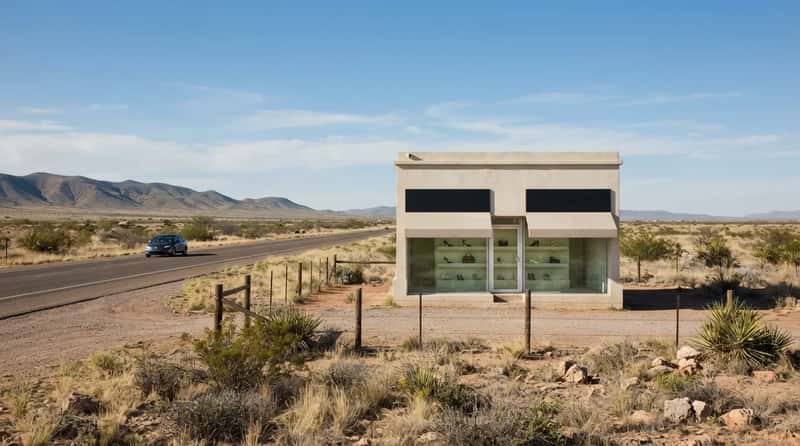
Marfa splits drivers into two camps: the ones who’ve been and can’t stop talking about it, and the ones who haven’t and think it sounds absurd.
This tiny far-west Texas town somehow holds world-class contemporary art, minimalist architecture, and a food scene with no business being this good in the middle of the Chihuahuan Desert. It’s a natural stop between a Big Bend trip and other western points of interest.
Then there are the Marfa Lights – mysterious orbs that appear on the horizon with no confirmed explanation. There’s an official viewing area where you can park, set up chairs, and just wait.
Prada Marfa, a fake luxury boutique built in the open desert, is the single most photographed art piece in West Texas. Even the sunset here feels staged.
But that’s nothing compared to what we found about #11…
#11 – Niagara Falls, New York
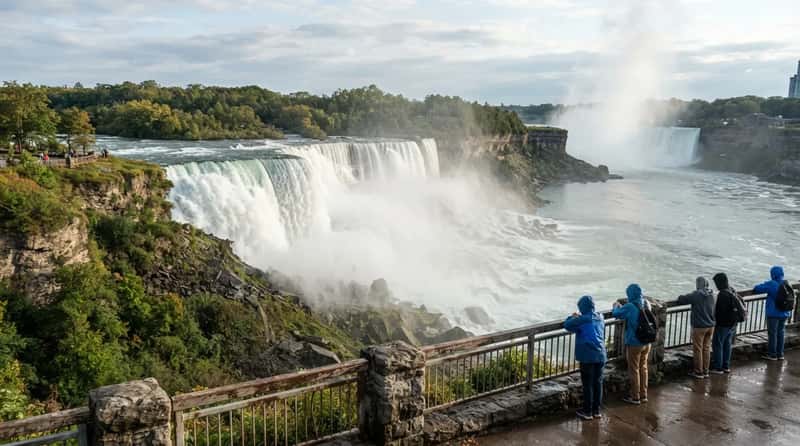
Here’s a counterintuitive one: most drivers doing the I-90 corridor skip Niagara because they assume it’s “too touristy.” That’s a genuine miscalculation.
Niagara Falls State Park isn’t a manufactured attraction – it’s America’s oldest state park, built around one of the most powerful waterfalls on earth. Most visitors never register that detail.
Over 3,000 tons of water pour over the falls every single second at peak flow, and the number feels different once you’re standing at the railing.
Mist reaches hundreds of feet into the air and soaks you within minutes. The Canadian side gets the postcards, but the American side has better hiking and far less crowd noise.
But that’s nothing compared to what we found about #10…
#10 – Cadillac Ranch, Amarillo, Texas
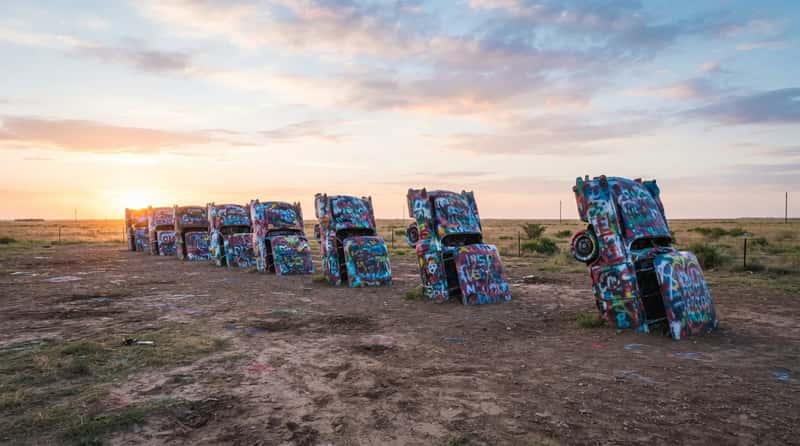
Opinions on Cadillac Ranch are split – and that split is exactly what makes it worth stopping for.
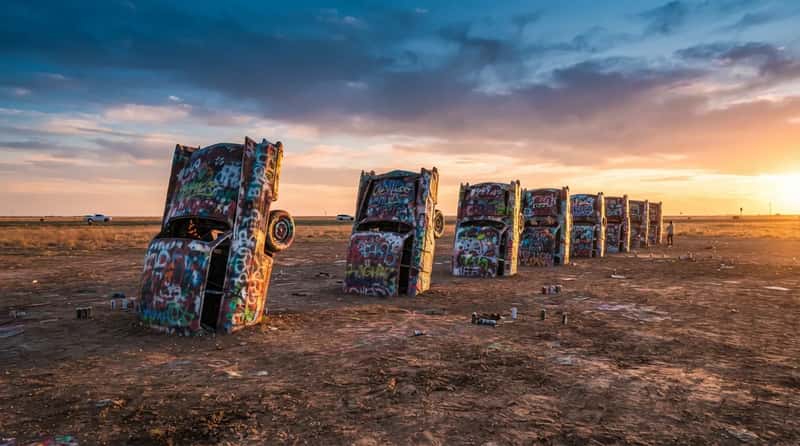
Ten Cadillacs sit nose-first in a Texas field west of Amarillo, tail fins pointing straight at the sky, installed by the art collective Ant Farm in 1974. It’s free and open 24 hours, so you can add your own spray paint whenever you pass through.
Crowds and litter can dull the charm the photos promise. Some visitors love it, others call it a five-minute stop and move on.
The honest truth is that Cadillac Ranch rewards visitors who go at dawn or dusk, before the crowds show up and while the light turns the painted steel into something oddly beautiful.
But that’s nothing compared to what we found about #9…
#9 – Skyline Drive, Shenandoah National Park, Virginia
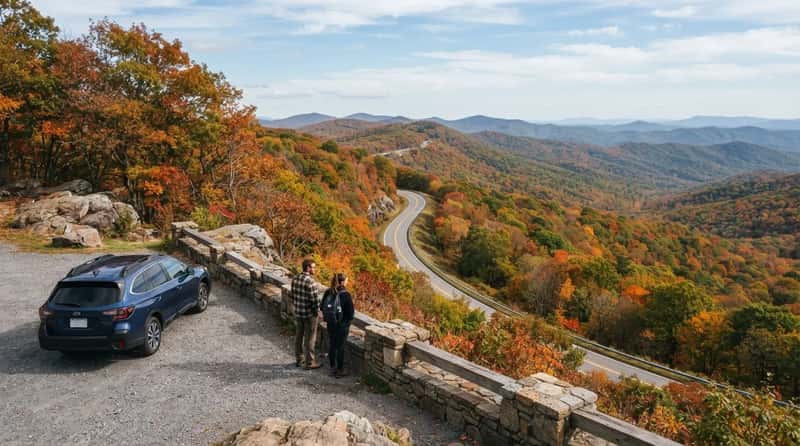
Drivers hauling down I-81 routinely overlook one of the most rewarding scenic corridors on the East Coast.
Skyline Drive runs 105 miles through Shenandoah National Park with no commercial vehicles, no billboards, and a strict 35 mph limit that forces you to actually look around. Long-haulers usually find that limit annoying – until they don’t.
The road has over 75 overlooks, each showing a slightly different angle on the valley below.
Fall foliage season is the best time to make this detour. Even 20 miles of it is enough to understand why the road has been famous since the 1930s.
But that’s nothing compared to what we found about #8…
#8 – Blue Ridge Parkway, Virginia & North Carolina
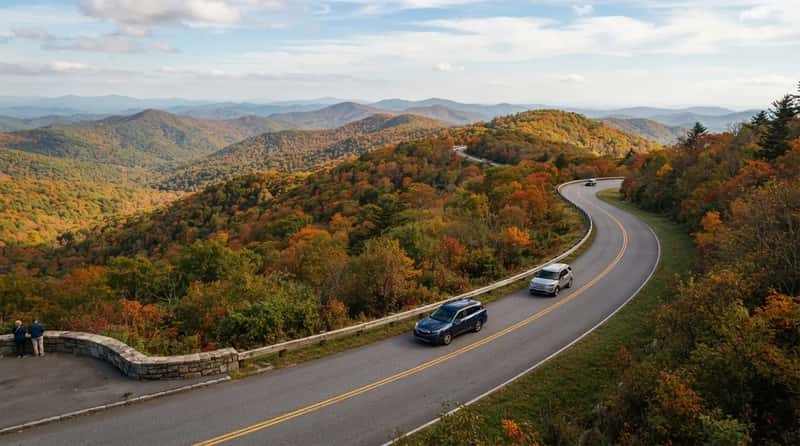
If Skyline Drive is the appetizer, the Blue Ridge Parkway is the full meal.
At 469 miles, it connects Shenandoah to Great Smoky Mountains National Park with steady mountain views and low-stress pull-offs the whole way. It’s arguably the most rewarding scenic byway in the eastern half of the country.
Quick Compare
- Skyline Drive: 105 miles, 35 mph limit, 75+ overlooks, entirely inside Shenandoah National Park.
- Blue Ridge Parkway: 469 miles, linking Shenandoah all the way to the Great Smoky Mountains.
- Crowds: the Parkway alone draws roughly 15 million visits a year – more than Yellowstone and the Grand Canyon combined.
The National Park Service counts roughly 15 million visits a year here – more than Yellowstone and the Grand Canyon combined. Yet most drivers on I-81 or I-95 never peel off to join it.
But that’s nothing compared to what we found about #7…
#7 – Scenic Byway 12, Utah
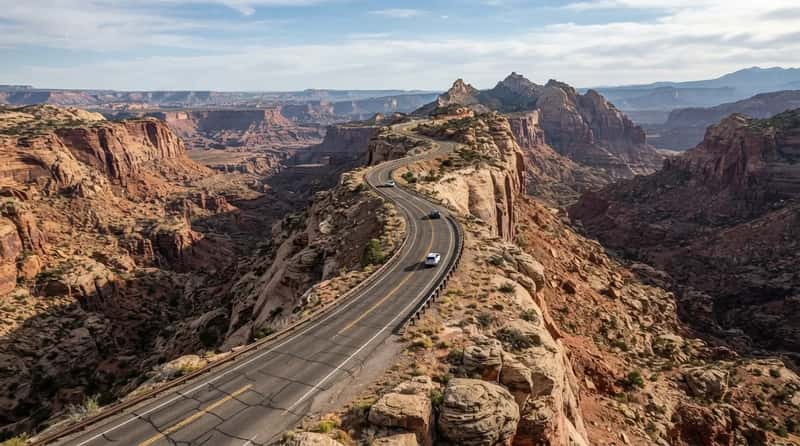
Most drivers who tackle Utah hit Zion or Bryce and head straight back to the interstate. The ones who know what they’re doing take Scenic Byway 12 instead.
Southern Utah feels like a different planet on this 122-mile backroad – red-rock canyons, historic towns, pine forests, more visual drama per mile than almost any paved road in America. The route can connect you to five national parks in a single run.
Sections of the road run along narrow canyon ridges with drop-offs on both sides – unforgettable for most, not for the faint-hearted.
Torrey, the road’s endpoint, is the gateway to Capitol Reef National Park – one of the West’s best-kept secrets.
But that’s nothing compared to what we found about #6…
#6 – The Beartooth Highway, Montana/Wyoming
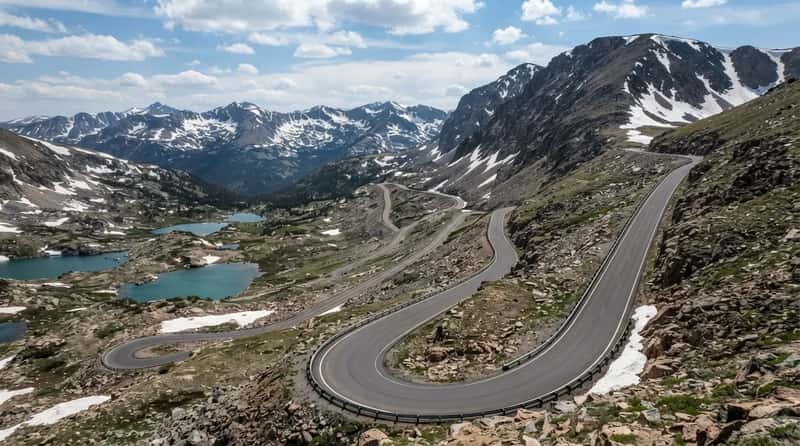
Longtime CBS correspondent Charles Kuralt only needed one sentence to describe this road.
The most beautiful drive in America.
Charles Kuralt
He wasn’t exaggerating.
The Beartooth Highway is a 69-mile stretch of US Route 212, completed in 1936, climbing from Red Lodge, Montana, through Custer Gallatin National Forest to 10,947 feet at Beartooth Pass. It then drops toward the northeast entrance of Yellowstone.
There are no major cities out here – just alpine lakes, switchbacks, and raw high-altitude tundra. Don’t be surprised to see snow in July.
The northeast Yellowstone entrance it connects to is the least-crowded gateway to the park – a detail serious road-trippers guard carefully.
But that’s nothing compared to what we found about #5…
#5 – Big Sur, California
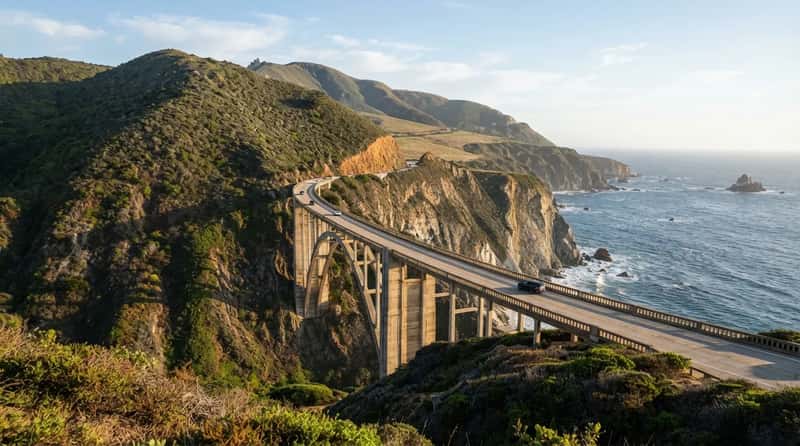
There’s a reason every road trip writer eventually ends up writing about Big Sur. It earns it.
The coastal drive between San Francisco and Los Angeles covers roughly 450 to 500 miles depending on your route. Big Sur sits at the heart of it – a 90-mile stretch of Highway 1 where the Santa Lucia Mountains plunge straight into the Pacific.
There’s no other stretch of paved road in the continental U.S. this relentlessly dramatic for this many consecutive miles.
April through October is the safest bet for driving conditions, with September and October bringing better weather and fewer crowds. Highway 1 here is prone to landslide closures, so check Caltrans before you commit – the extra step is always worth it.
But that’s nothing compared to what we found about #4…
#4 – Petrified Forest National Park, Arizona
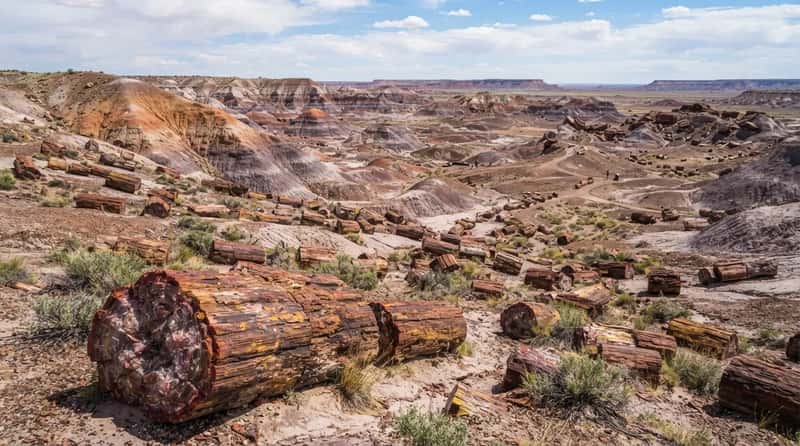
Most Route 40 drivers see the signs for Petrified Forest and assume it’s a minor curiosity. Most of them later wish they’d stopped.
Ancient petrified logs – some over 200 million years old, older than the dinosaurs – lie scattered across the desert badlands in plain sight. They aren’t buried artifacts; volcanic ash preserved them and turned the wood to quartz crystal over geologic time.
The colors inside the petrified wood – purples, reds, yellows – look computer-generated until you touch them.
Worth Knowing
- The park covers roughly 346 square miles of badlands and high desert grassland.
- Fossilized logs here date back about 225 million years, older than the dinosaurs.
- It’s the only national park with a preserved stretch of historic Route 66 inside its boundaries.
- Two entrances – one off I-40, one off US-180 – bookend the 28-mile park road.
The park road is 28 miles long, drivable in two hours or stretched into a full day with hiking. It also crosses sections of the original Route 66, adding a layer of history most visitors don’t expect.
But that’s nothing compared to what we found about #3…
#3 – The Columbia River Gorge Scenic Highway, Oregon
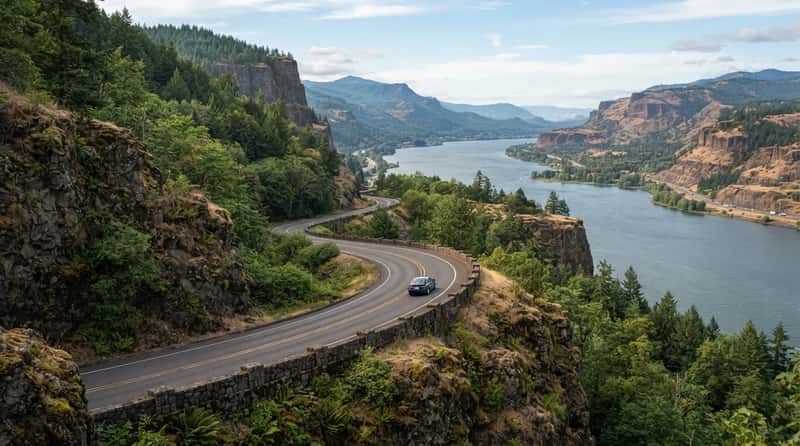
While most drivers use I-84 to punch through Oregon as fast as possible, a parallel two-lane road runs right alongside the gorge – and it’s a completely different experience.
The Historic Columbia River Highway was engineered in the early 1900s so that nearly every curve reveals a new viewpoint on purpose. It’s the road Multnomah Falls sits on, but it keeps delivering long after the falls are behind you.
The gorge is one of the few places in the U.S. where you can watch two climate zones collide in real time – temperate rainforest on the west side, high desert on the east, with the transition happening within miles.
If you’re already in Portland, there’s no excuse not to make this a day trip. For through-drivers, even one hour on the old highway reframes the whole trip.
But that’s nothing compared to what we found about #2…
#2 – North Adams & the Berkshires, Massachusetts
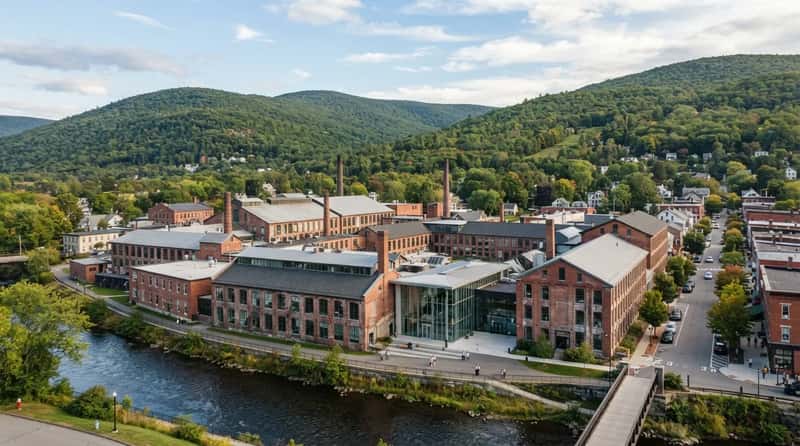
Most drivers using I-90 between New York and Boston treat western Massachusetts as a stretch to survive. That perception is badly outdated.
The Berkshires pack an outsized amount of food, music, art, and outdoor access into a small mountainous region 120 miles west of Boston. It’s a 30-mile detour off the highway to North Adams, where guided hikes, live music, and pop-up dinners are waiting.
North Adams is home to MASS MoCA, one of the largest contemporary art museums in the country, housed inside a former factory complex spanning 16 acres.
In nearby Stockbridge, the Norman Rockwell Museum tells the story of the painter who lived and worked in the area. Between the art, the mountains, and the food, this might be the most underrated multi-night stop in the East.
But that’s nothing compared to what we found at #1…
#1 – Crater Lake National Park, Oregon
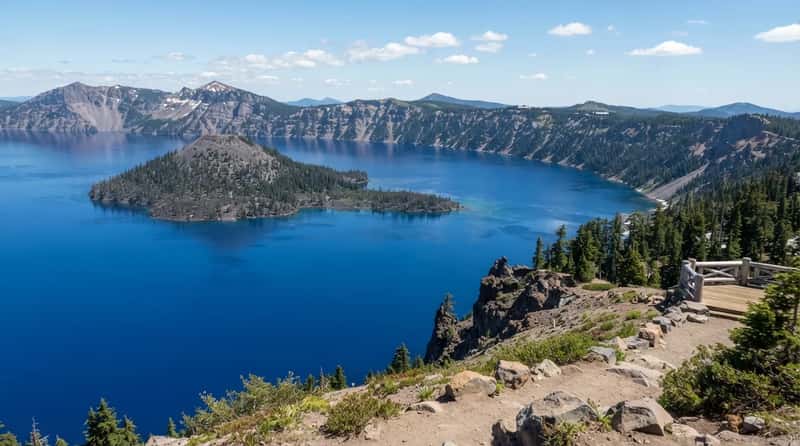
Long-distance drivers on I-5 between California and Seattle will tell you the same thing: the detour to Crater Lake is the one they talk about for the rest of their lives.
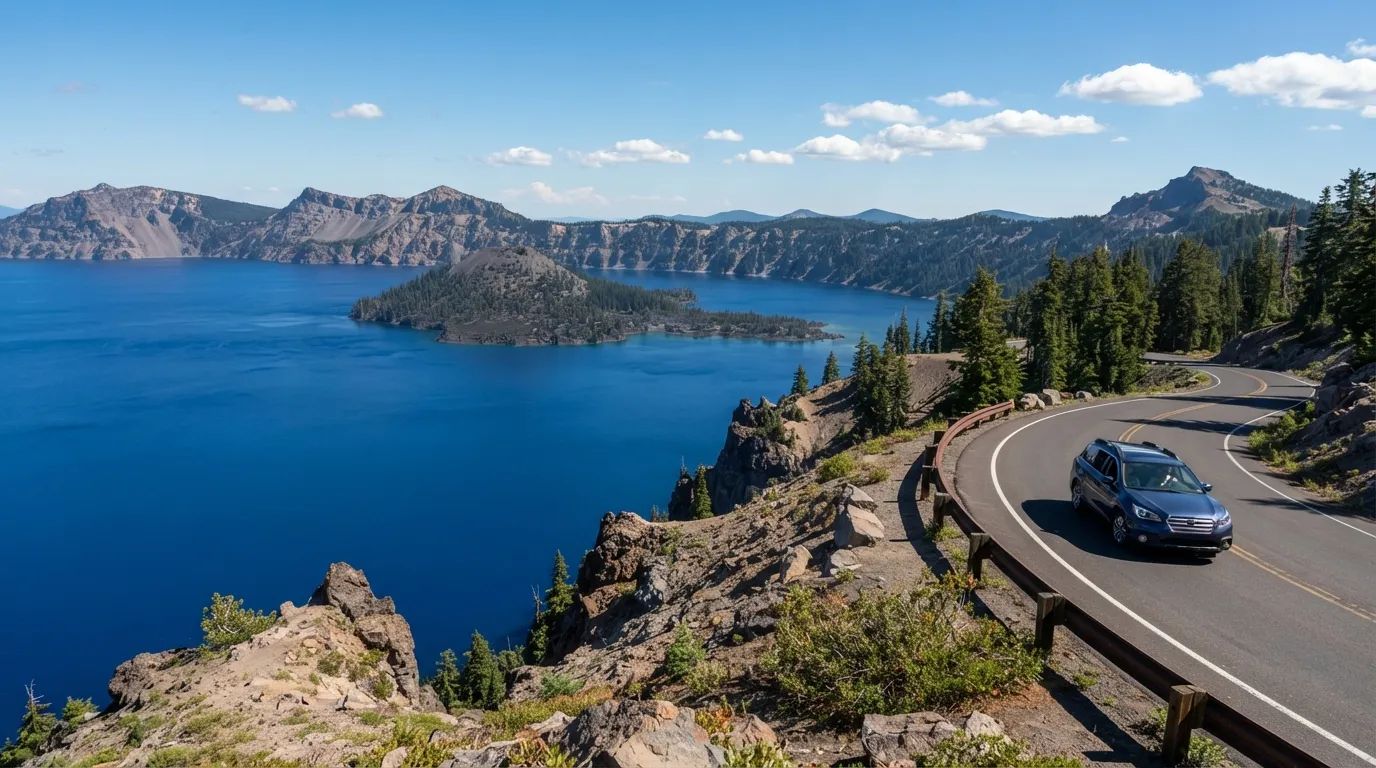
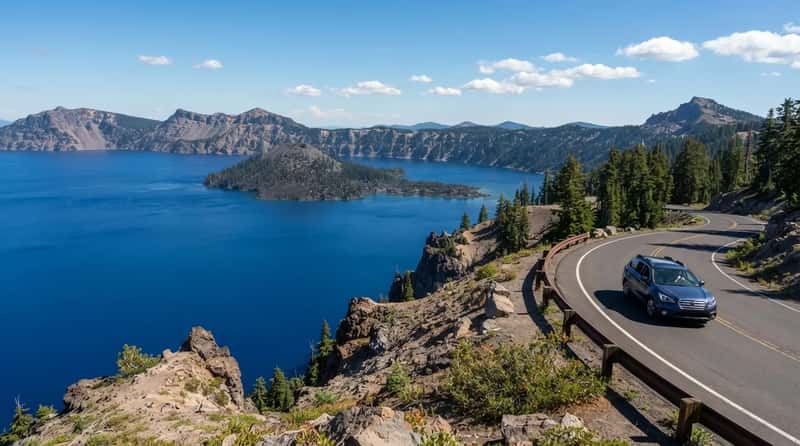
The lake fills the collapsed caldera of Mount Mazama, a volcano that erupted roughly 7,700 years ago. At 1,943 feet deep, it’s the deepest lake in the United States – and the water is so clear and so intensely blue that first-time visitors question whether it’s real.
No rivers flow in or out. The lake is fed entirely by rain and snow, which is exactly why it stays this pure.
At a Glance
- Formed about 7,700 years ago when Mount Mazama’s summit collapsed.
- America’s deepest lake at 1,943 feet – and one of its clearest.
- No inlets or outlets; only rain and snowmelt keep it full.
- Rim Drive circles the caldera for 33 miles, passing 30 named overlooks.
Rim Drive circles the caldera for 33 miles with 30 named overlooks along the way. Most drivers who skip it do it to save 80 to 90 miles – and every single one who stops says they should have pulled off sooner.
The Bottom Line
Most long-distance drivers leave the best parts of their trip on the table. The direct route always feels faster – it just never feels like the trip you actually remember.
From the impossible blue of Crater Lake to the steel tail fins of Cadillac Ranch, every stop on this list rewards the driver willing to add 30 to 90 minutes. Scenic detours aren’t a niche travel product anymore – they’re becoming the whole point of the drive.
Your GPS will always give you the fastest route. It will never give you the best one.
Which of these stops have you already made – or regret skipping? Drop it in the comments.
Bonus: The $80 Pass Serious Road-Trippers Buy Before They Leave the Driveway
Three of the stops on this list – Skyline Drive through Shenandoah, Petrified Forest, and Crater Lake – each charge their own vehicle entrance fee at the gate.
The America the Beautiful Annual Pass costs $80 and covers vehicle entry for a full 12 months at every fee-charging national park plus more than 2,000 other federal recreation sites, so it pays for itself the moment your route touches a third park.
- Buy the digital version on Recreation.gov before you leave – it activates instantly, so there’s no waiting on shipping.
- One pass covers everyone riding in your vehicle, not just the person who bought it.
- It stays valid for 12 months from your purchase month, so time it right before a multi-park run like this one.
- Want a physical card too? Order it a few weeks ahead, or just pick one up at the first park’s entrance station instead.
Skip the per-park entrance fees, and that $80 quietly becomes the best-value souvenir of the entire drive.