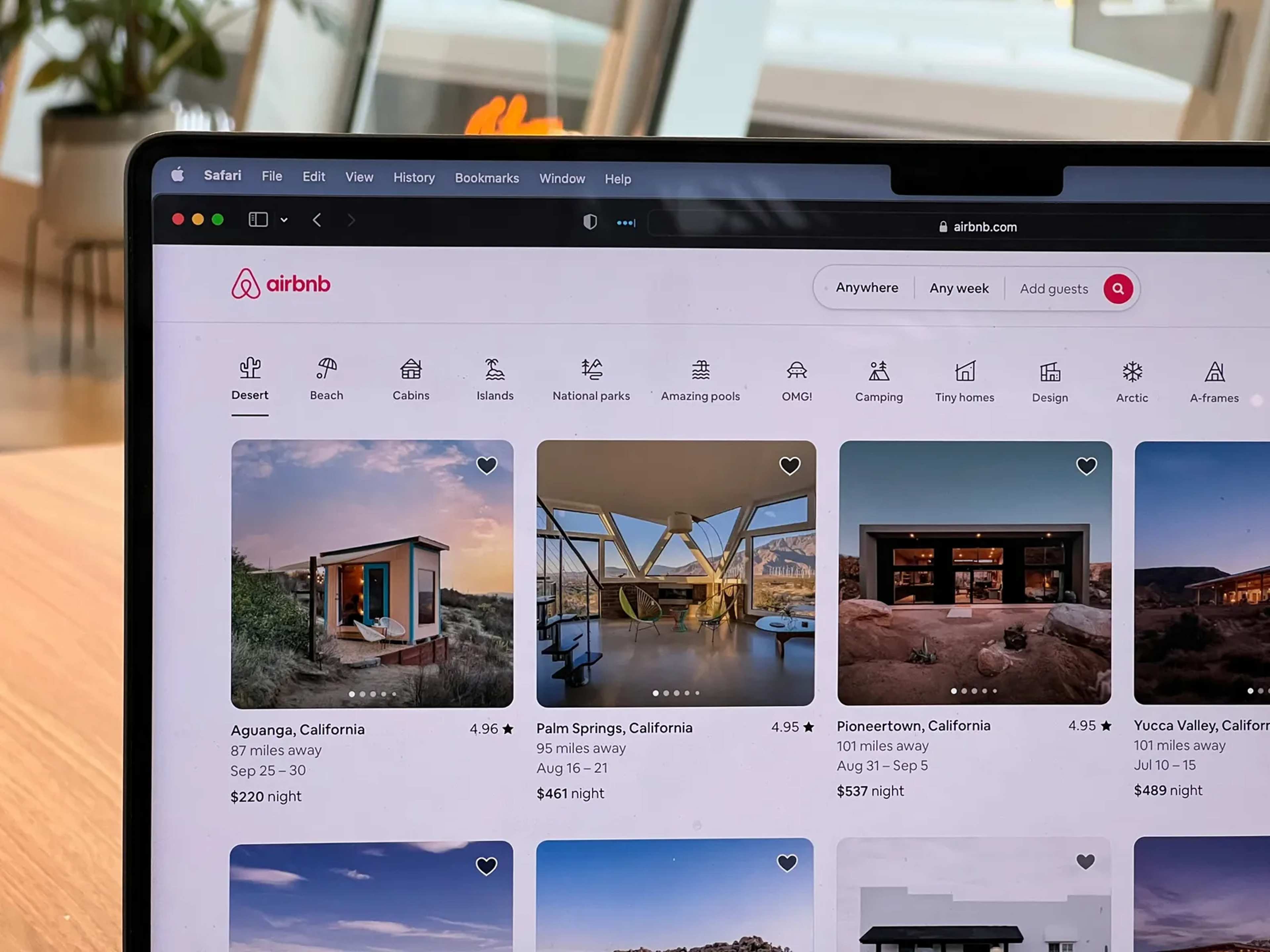
Most people assume a month in a hotel is just a longer vacation with more suitcases. It isn’t. Ask anyone who has actually lived out of a hotel room for work, relocation, or a life in transition, and they’ll tell you there’s an entire unwritten playbook regular guests never see.
These guests know which requests hotels expect, which discounts are basically automatic, and which small habits separate a miserable month from a genuinely comfortable one. Some of these rules sound almost too simple. Others will make you wonder why nobody told you sooner.
1. Book Direct, Not Through Third-Party Apps
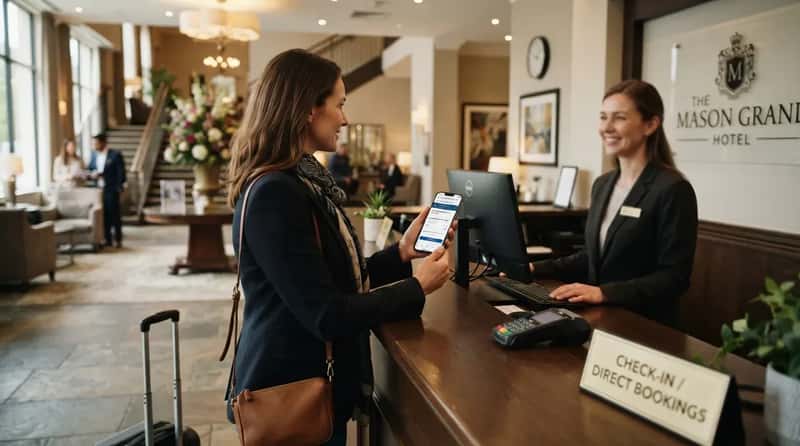
Long-stay guests almost never book through Expedia or similar sites once they know they’re staying more than a few nights. Booking directly on a hotel’s own website cuts out the middleman fees third parties charge, and it usually comes with a better guaranteed rate. Over 30 nights, those saved fees add up fast.
There’s a second reason insiders skip the apps: flexibility. Booking direct also makes it easier to change or cancel a reservation, depending on the hotel. When you’re staying a month, plans shift constantly, and that flexibility matters more than any points bonus a travel app promises.
2. They Always Ask for the Weekly or Monthly Rate, Never the Nightly Price

Nightly rates are for tourists. Long-stay guests know the moment you cross into a seven-night window, the pricing structure quietly changes, and searching for a weekly stay of seven or more consecutive nights often triggers a lower rate automatically, no negotiation required.
Most casual travelers never even switch their search settings to trigger it. The discount is baked into the system, but only if you ask for the right length of stay. Veterans always search in weekly or monthly blocks first, because the gap between a 6-night search and a 7-night search can be dramatic.
3. The Longer You Stay, The Steeper the Discount Gets

This is the part most people underestimate. It isn’t a flat discount, it scales aggressively the longer you commit. Stays of 1-6 nights top out around a 10% discount, 7-29 nights can reach 40%, 30-59 nights can hit 50%, and 60 nights or more can climb as high as 60%.
That means a two-month guest can end up paying almost half of what a weekend guest pays per night. Long-stayers know this tiered system exists and plan their booking length around hitting the next discount bracket, sometimes adding a few extra nights on purpose just to clear the threshold.
Fast Facts
- 1–6 nights: discounts typically top out around 10%
- 7–29 nights: discounts can climb as high as 40%
- 30–59 nights: discounts can reach up to 50%
- 60+ nights: discounts can hit as much as 60%
4. They Treat the Front Desk Like a Relationship, Not a Transaction

Regulars don’t just check in and disappear to their room. Building a real rapport with hotel staff often pays off with small upgrades, extended housekeeping flexibility, or personalized service that never shows up on a rate sheet. It’s not about being demanding, it’s about being memorable in a good way.
Staff remember the guests who say hello, ask about their day, and treat the property like a neighborhood instead of a stopover. Staying warm and communicative smooths out early check-ins, late checkouts, and last-minute schedule changes. That goodwill becomes real currency over a 30-day stay.
5. They Negotiate the Monthly Rate Over the Phone, Not Online

Online booking engines rarely show the true flexibility a hotel has on monthly pricing. Seasoned long-stay guests skip the website entirely and call the hotel directly, speaking with a staff member who can offer discounts a booking algorithm never will.
It feels old-fashioned, but it works because a human on the phone has authority a website doesn’t. Guests who check average local rates before calling walk in with leverage instead of just hoping for a favor.
6. They Use Flexibility as Leverage

The secret weapon of long-stay negotiation isn’t charm, it’s timing. Guests who mention flexibility with travel dates increase their odds of a better deal, since hotels are far more willing to lower rates during off-peak seasons or low occupancy stretches.
Most people don’t realize hotels would rather fill a room at a discount than leave it empty. A guest willing to shift check-in by even a few days can unlock a meaningfully lower rate. Long-stayers treat their calendar like a bargaining chip, not a fixed constraint.
7. They Join the Rewards Program Before They Even Check In

Loyalty programs for extended-stay brands are free, and the savings start immediately. Members can access an exclusive rate, instant savings, and free perks, sometimes including a discount code good on the very first reservation.
Long-stay guests never skip this step, because unlike hotel points programs that reward you months later, extended-stay memberships tend to pay off right away. It takes five minutes and directly lowers the first invoice, which matters when you’re paying for weeks at a time.
8. They Know the 24-Hour Rule for Extensions

Plans change constantly on long stays, and insiders know exactly how to protect their room when they need more time. Hotels generally prefer extending a guest’s stay over finding a new one, but requesting the extension at least 24 hours before checkout dramatically raises the odds of approval.
Waiting until checkout morning is the rookie mistake. A same-day extension request can get denied simply because the room was already promised to someone else overnight. Veterans build that 24-hour buffer into their routine automatically.
9. They Never Let Housekeeping Control Their Schedule
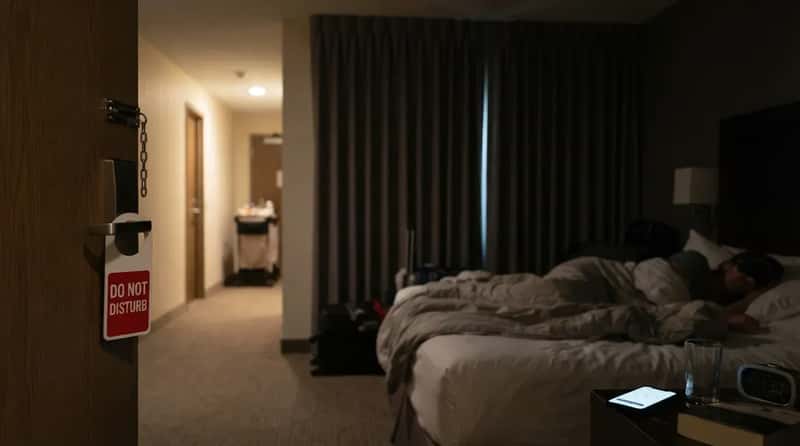
People new to extended stays assume they have to be available whenever housekeeping wants access. Long-stayers flip the script entirely, using signage and simple communication to protect their own schedule instead.
Guests working night shifts, road crews, and parents with irregular hours often treat blackout curtains, white-noise apps, and earplugs as non-negotiables for daytime sleep. Combined with a well-timed Do Not Disturb sign, this keeps the room running on the guest’s clock instead of the hotel’s default cleaning schedule.
10. They Turn the Kitchenette Into a Real Kitchen

Eating out three meals a day for a month is a fast way to drain a budget, and experienced guests know it. Using a fully-equipped kitchen to cook comfort food, meal prep for the week, or store leftovers in a full-size fridge is one of the biggest cost-savers of a long stay.
They stock the fridge on day one instead of ordering delivery out of exhaustion. The kitchenette isn’t a bonus amenity, for long-stayers it’s the entire financial strategy. Skipping it is often the single most expensive mistake first-timers make.
11. They Pack Like They’re Moving, Not Vacationing
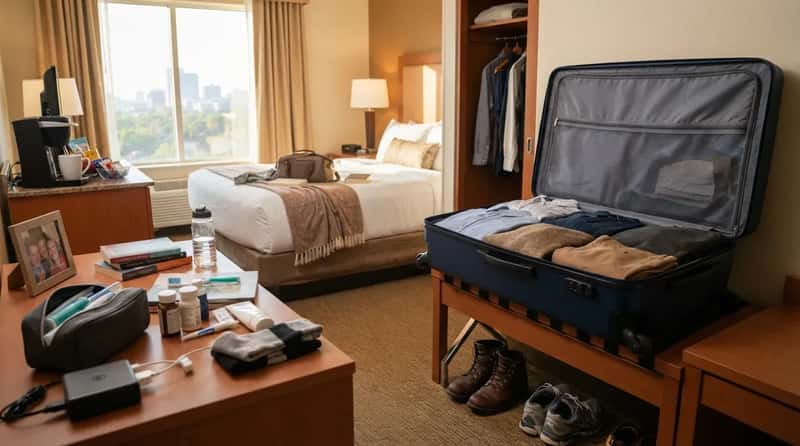
A weekend bag doesn’t cut it for a month-long stay. Long-stayers pack with the mindset of someone relocating temporarily, not someone heading to a beach for three days.
They never forget the necessities, medicine, a change of shoes, and the small sentimental comfort items most travelers would leave at home. The rule is simple: if you’d miss it after two weeks, it goes in the suitcase. Running out mid-stay and shopping for basics costs far more than overpacking upfront.
12. They Bring Their Own Light and Sound Setup
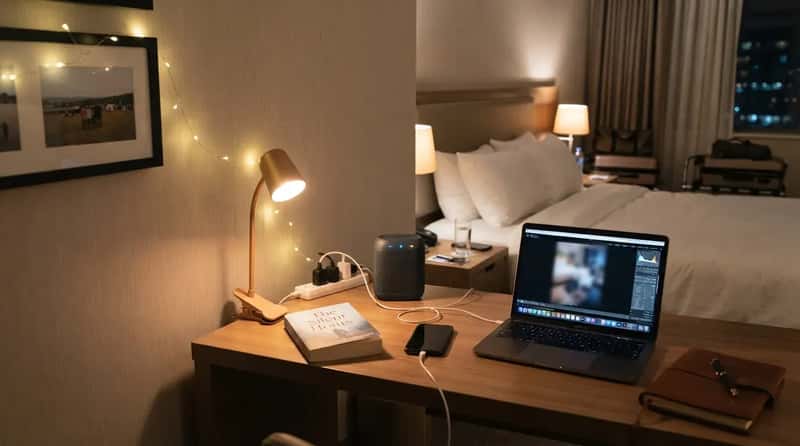
Hotel lighting is designed for a two-night stay, not a month of living. It’s either too dim to work under or too bright to relax in, and long-stayers stop tolerating it fast.
Guests with sound or light sensitivity often pack battery fairy lights, a small clamp lamp, or a warm-tone LED nightlight to make the space feel less clinical. A five-dollar lamp does more to make a hotel room feel livable than any amenity the property offers. It’s a small hack that changes the entire mood of the room after week two.
13. They Make the Bed Every Morning

It sounds too simple to matter, but long-stayers treat this as a non-negotiable daily habit rather than a chore. The psychological shift it creates is bigger than most people expect.
One long-term guest described how the stay became tolerable once the bed got made, the room got tidied, and it started feeling like a studio apartment instead of a motel room. Guests who skip this step for even a few days report feeling like they’re camping, not living. The habit takes two minutes and resets the whole space daily.
Worth Knowing
- Making the bed takes under two minutes but resets the whole room’s mood
- A tidy space is often the difference between feeling settled and feeling like you’re camping
- Skipping the habit for even a few days can make the whole stay feel harder
14. They Hide the Clutter, Not the Personality

A hotel room starts to feel chaotic fast when suitcases stay open and cords tangle across every surface. Long-stayers borrow a trick from professional organizers to keep the space calm.
They hide anything functional inside drawers or bins, leaving only a couple of intentional objects out, a lamp, a plant, a framed photo. The goal isn’t minimalism for its own sake, it’s making a temporary space feel intentional instead of abandoned. A cluttered room by week three is a fast track to feeling stuck.
15. They Explore the Neighborhood Like Locals

Tourists stay near the hotel. Long-term guests build an entire life around it, a favorite coffee shop, a regular grocery run, a gym they actually use.
Getting to know the area turns an anonymous stretch of highway hotels into something that feels lived-in. This is one of the more controversial opinions among long-stayers: many argue that guests who never leave the property for a month are the ones who burn out fastest and complain the most.
16. They Build a Routine From Day One

Waiting to “settle in” is a mistake veterans avoid entirely. They establish structure on the very first day, not after the first rough week.
A daily routine with consistent work, meal, and rest times keeps a sense of normalcy alive, so hotel living feels sustainable instead of chaotic. Guests without a routine tend to describe the same stay as exhausting, while guests with one describe it as manageable, same room, same length, completely different experience.
17. They Use the “Do Not Disturb” Sign as a Boundary, Not a Rule Break
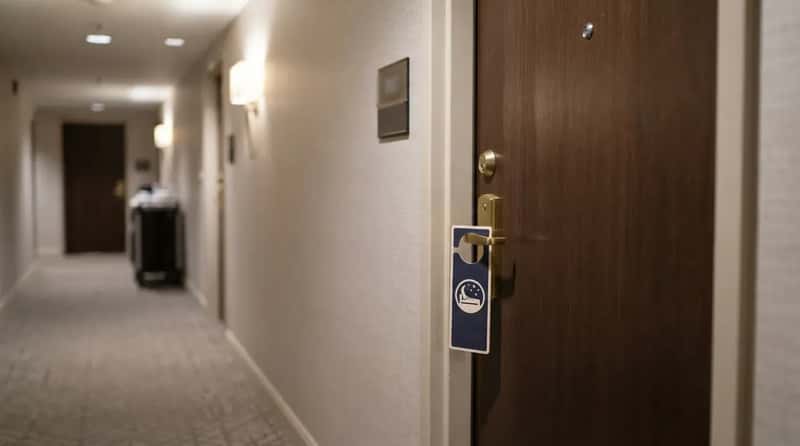
New guests often feel guilty hanging the sign for days at a time, worried it looks rude or suspicious. Long-stayers know it’s simply a scheduling tool, nothing more.
For people working overnight or living outside a normal 9-to-5, the sign reminds housekeeping to work around their actual hours. Once a guest explains their schedule to the front desk directly, most hotels happily adjust cleaning days instead of treating every unopened door like an emergency.
18. They Know Government and Military Perks Go Beyond the Room Rate

Most travelers assume a military or government discount just lowers the nightly price. Long-stay veterans know it can go much further than that.
Government and military guests can also get all utilities included, cable, wifi, electric, gas, and water, along with additional benefits. That’s a detail most guests never even ask about, and it can be worth more over a month than the room discount itself. Requesting the specific rate category by name at booking is what unlocks it.
At a Glance
- Government and military rates can bundle in free cable, wifi, electric, gas, and water
- The perk is often worth more over a month than the room discount alone
- You have to ask for the specific rate category by name to unlock it
19. They Ask About the 55+ Rate Even If They’re Not Sure They Qualify

It’s one of the most overlooked discounts in the entire industry, and long-stayers never assume it doesn’t apply to them.
Guests aged 55 and older often qualify for special room rates with no senior program membership needed, they simply select the option at search and show valid ID at check-in. No sign-up, no waiting period, just an ID check. It’s a rate category many eligible travelers never think to look for because it isn’t advertised loudly.
20. They Watch for the Hidden Extension Trap

Extending a stay sounds simple, but veterans know the fine print can quietly undo any discount already earned. Many promotional rates cannot be combined with other specials and aren’t valid for modifications or extensions of an existing reservation.
This is the rule that trips up even experienced travelers, the same promo code that landed a great initial rate often won’t apply when you try to stretch the stay. Smart guests confirm extension pricing before assuming their original discount carries over.
21. They Track Every Receipt Like It’s a Second Job

Whether it’s for work reimbursement, relocation costs, or personal budgeting, long-stayers treat paperwork as part of the daily routine, not an afterthought at checkout.
They photograph folios weekly, keep a dedicated folder or app for hotel expenses, and reconcile charges before they pile up. This isn’t glamorous advice, but disputing a billing error after 45 days of stacked charges is far harder than catching it on day three. The guests who stay organized rarely get blindsided by a surprise bill.
22. They Never Skip the Laundry Room
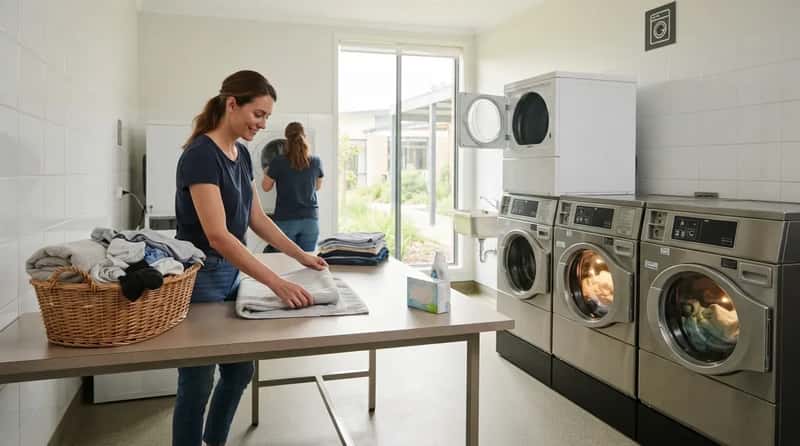
Packing a month’s worth of clothes is impossible, so on-site laundry becomes a lifeline rather than a nice-to-have amenity for long-stay guests.
24/7 guest laundry is standard at most extended-stay properties, and veterans build a weekly laundry day into their routine just like they would at home. Skipping this and relying on paid dry cleaning or nearby laundromats quietly becomes one of the most expensive habits of an unprepared long stay.
23. They Network Without Trying

It sounds unlikely, but extended hotel stays quietly become a professional networking opportunity for guests who stay social instead of isolating in their room.
Many long-term guests say some of their best work leads came from a casual hallway conversation or a shared breakfast table, not a formal meeting. Common areas, breakfast rooms, and shared laundry spaces end up functioning like informal meeting rooms for the business travelers, contractors, and relocating workers who make up much of the long-stay crowd.
24. They Know When a Serviced Apartment Beats a Hotel

Not every long stay belongs in a hotel, and veterans aren’t afraid to admit it. Serviced apartments and vacation rentals sometimes make far more financial sense.
They often provide more space, a fully-equipped kitchen, and a home-like atmosphere a hotel room simply can’t match. This is the controversial opinion many hotel loyalists won’t say out loud: for stays longer than two months, a serviced apartment frequently beats even the best extended-stay hotel on both space and price.
Quick Compare
- Hotel: daily housekeeping, on-site amenities, easier short-term flexibility
- Serviced apartment: more square footage, full kitchen, home-like feel
- Where the value shifts: apartments often win on space and price past the two-month mark
25. They Ask for Extras Instead of a Lower Price
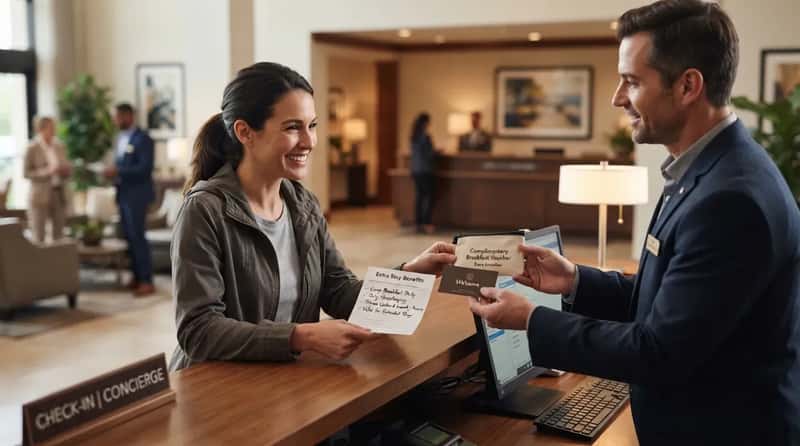
Sometimes the rate is already as low as it’s going to get, and smart negotiators know exactly when to pivot their ask.
Instead of pushing further on price, guests can ask for extras built into the stay instead, complimentary breakfast, added housekeeping, or fitness center and laundry access. These extras add real value without costing the hotel much, which makes them far easier to say yes to than a straight discount.
26. They Treat Every Long Stay Like It’s Temporary, Because It Is

The single biggest mindset shift among long-stay veterans has nothing to do with money or amenities. It’s the constant awareness that comfort and impermanence can coexist.
They personalize the room enough to feel human, but never so much that leaving feels disruptive. This balance, settling in without settling down, is what separates guests who thrive for months at a time from guests who start counting down the days by week two. It’s less a hack and more a mindset, and it’s the rule every other rule on this list ultimately serves.
None of these habits are secret exactly, they’re just easy to overlook until you’re the one living out of a suitcase for weeks at a time. The guests who do this well aren’t lucky. They booked smarter, packed smarter, and treated a temporary room like a space worth respecting.
Which of these do you already do without realizing it, and which one are you stealing for your next trip? Drop your own long-stay rule in the comments.