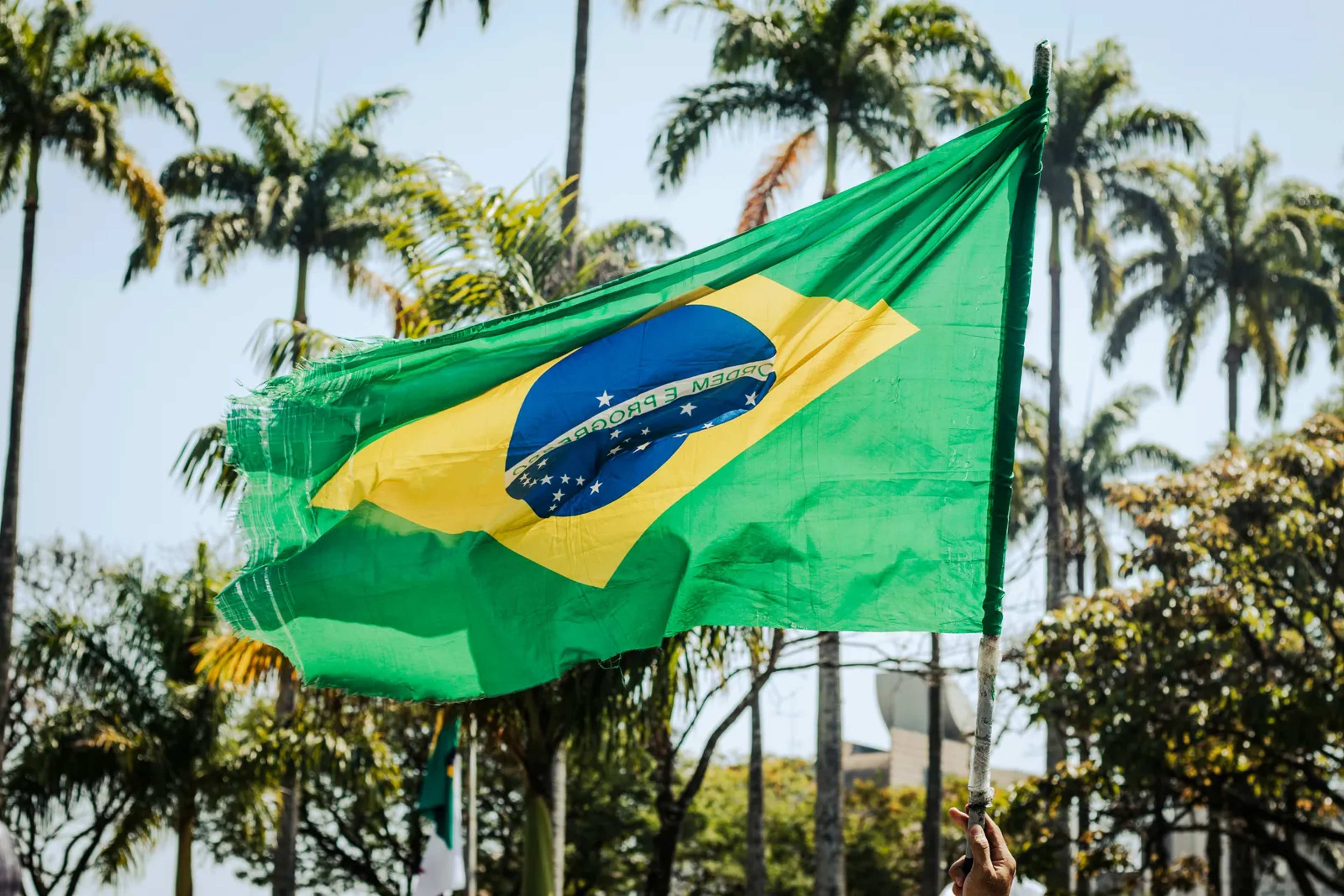
Brazil held its presidential runoff on October 25, with incumbent Luiz Inácio Lula da Silva securing reelection against Flávio Bolsonaro. Lula captured 51.8 percent of valid votes while his opponent received 48.2 percent. The outcome reversed expectations after Flávio led the first round by two percentage points on October 4. ([1])
Campaign Promises and Environmental Stakes
Flávio Bolsonaro campaigned on removing what he described as environmental obstacles in the Amazon rainforest. His father, former president Jair Bolsonaro, had overseen a sharp rise in deforestation during his term. Jair Bolsonaro remains imprisoned following a conviction for attempting a coup after his own election loss. Lula, who returned to office in 2023, had pledged to halt both legal and illegal deforestation by 2030.
Deforestation Trends Under Recent Governments
Deforestation rates climbed to their highest level in 15 years while Jair Bolsonaro held power. Since Lula took office, annual losses have declined steadily. The most recent measurement period, from August 2025 through July 2026, recorded roughly 333,500 hectares cleared. That figure marks the lowest rate since systematic records began in 1988, though the rainforest continues to shrink overall.
Results and Immediate Reactions
Lula gained about 10 million additional votes between the first round and the runoff. In his victory address he stated that the election represented a defeat for denialism and lies. He also emphasized Brazil’s role in demonstrating effective climate policy to the world and noted four consecutive years of reduced deforestation. The narrow margin underscored deep divisions within the electorate on environmental and governance issues.