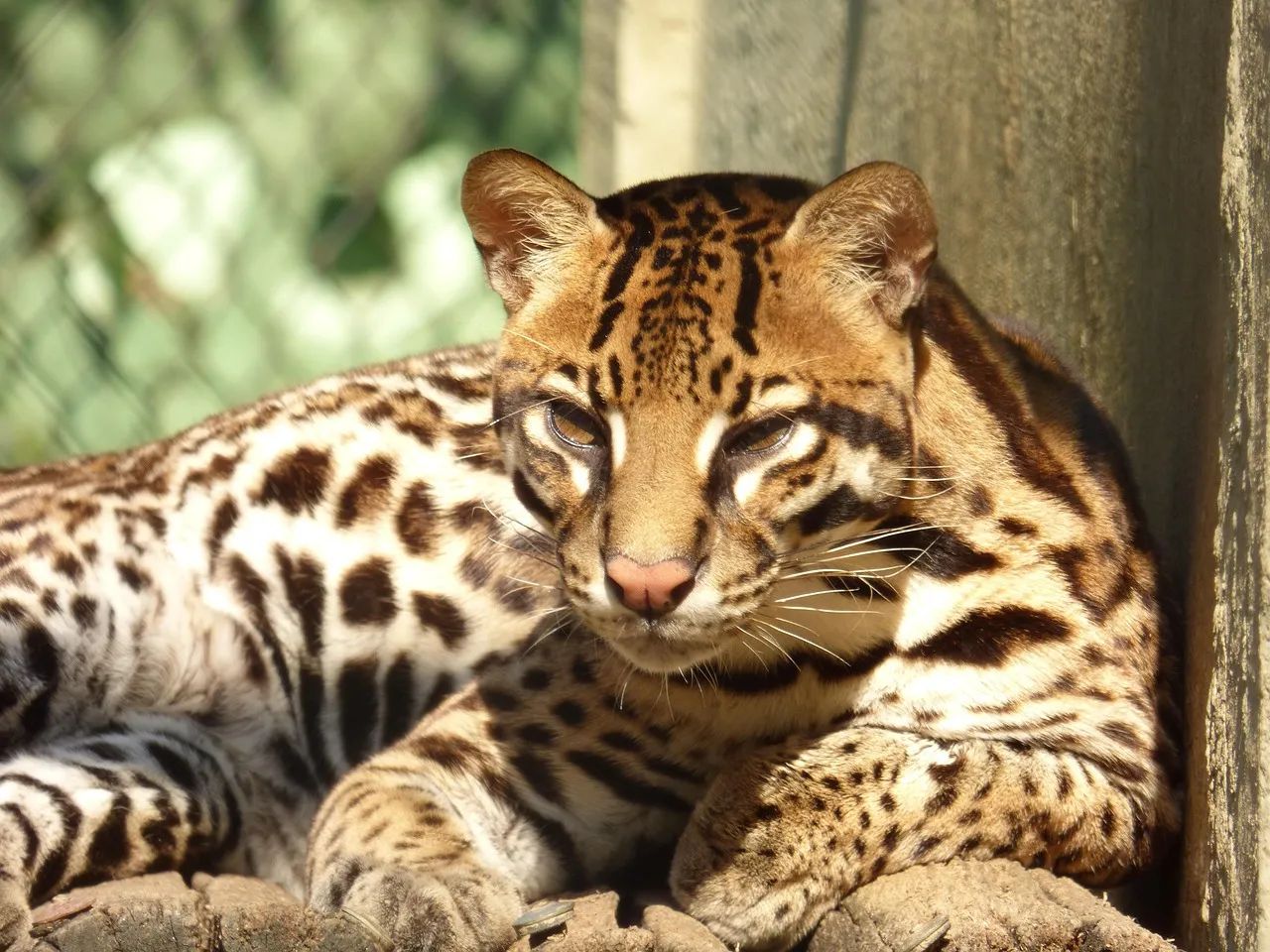
South Texas holds one of the last strongholds for ocelots in the United States, yet researchers continue to face challenges in monitoring the rare cats. A recent study tested whether additional lures could improve capture rates in box traps baited with live pigeons. The results showed that the extra attractions made little difference. ([1])
The Elusive Cats of the Thornscrub
Ocelots remain scarce across their northern range, with the population centered on a single large ranch in South Texas. Field teams check traps twice daily along sandy trails lined with dense, thorny vegetation. The work supports broader efforts to track health, movement, and numbers of these small wild cats.
Researchers rely on box traps that hold pigeons in a secure rear compartment. The birds provide sight and sound cues that sometimes draw carnivores inside. Daily care includes fresh water, feed, and perches to keep the bait animals comfortable during long hours in the field.
Adding Lures to Standard Bait
Teams added several visual and scent lures to some traps as part of a controlled test. Options included ocelot urine, civet musk, shiny ribbons, and hanging compact discs. All traps still used the pigeon bait as the primary attractant.
The goal was to see whether these extras could raise the odds of catching target species. Researchers recorded every capture and noted any interactions with the added items. Some animals showed brief curiosity, such as batting at reflective objects, but overall patterns stayed the same.
Clear Results From the Field Test
Traps fitted with lures performed no better than those using pigeons alone. Capture rates for ocelots, bobcats, and coyotes remained consistent across both setups. Nontarget animals such as raccoons entered traps at similar frequencies regardless of the added elements.
Success stayed low overall, with a cat captured roughly once every two weeks on average. The findings suggest that the basic pigeon method already captures the available interest from passing animals. Further refinements may focus on trap placement or timing rather than additional scents or visuals.
Next Steps for Small-Cat Conservation
Researchers now plan to examine stress levels in captured ocelots to improve handling methods. The data will help shape an upcoming conservation breeding program aimed at bolstering the small population. Attention to lesser-known cats remains limited compared with efforts for larger species.
Public interest in ocelots has grown in recent years, offering new opportunities to highlight their role in the South Texas ecosystem. Continued fieldwork on the ranch supports both scientific understanding and long-term protection of this distinctive wild cat.