Mexico has once again rewritten its own tourism history books. Fresh government data confirms that the country welcomed 51.1 million international visitors between January and June 2026, the strongest first-half performance ever recorded. The figure caps months of steady growth, fueled by air travel, cruise arrivals, cross-border traffic and a summer calendar that included the FIFA World Cup.
What makes the milestone particularly notable is not just the raw number, but the pace of growth behind it. Mexico is not simply riding a post-pandemic rebound anymore. It is consistently outperforming its own prior-year benchmarks month after month, positioning itself as one of the fastest-growing major destinations anywhere in the world.
Historic Surge in International Arrivals
Recent figures from Mexico’s federal tourism authorities indicate that the country received 51.1 million international visitors in the first six months of 2026, an increase of 7.7 percent compared with the same period in 2025.[1] The headline number, which includes tourists and same-day visitors, marks the strongest first-half performance since records have been kept.[1] That kind of consistency, sustained growth quarter after quarter, is rare even among the world’s top tourism economies.
The scale of the increase becomes clearer when you look at the partial-year snapshots leading up to it. In July, tourism authorities reported that Mexico had already reached 42.87 million international visitors between January and May 2026, up 8.8 percent from 2025.[2] The newly released first-half data confirm that momentum continued into June, lifting the cumulative total above 51 million and extending a sequence of monthly and quarterly records.[2]
A Record-Breaking First Quarter Set the Tone
The early months of the year already hinted at what was coming. Mexico set four tourism records during the first quarter of 2026, including the arrival of more than 26 million international visitors, the highest figure recorded since 2010, Tourism Secretary Josefina Rodríguez Zamora announced.[3] Rodríguez Zamora said the country welcomed 26 million international visitors between January and March, a 10.2% increase compared with the same period last year.[3]
March itself stood out as a particularly strong month within that quarter. Tourism revenue surpassed $10.28 billion during the quarter, and Mexico received 9.37 million international visitors during the month, an 11.9% increase from March 2025, while international tourist arrivals reached 4.49 million, up 7%.[3] January had already broken records on its own, with the country logging its best single month ever for arrivals.
Overnight Tourists Drive Deeper Economic Impact
Total visitor counts tell part of the story, but the segment that matters most economically is overnight travelers, the tourists who book hotels, dine out repeatedly and spend across multiple days rather than just passing through. Within that total, 24.5 million were classified as international tourists who stayed at least one night in the country, according to official tourism statistics for January through June 2026. That segment alone grew 4.6 percent year on year and underscores Mexico’s role as one of the world’s most visited destinations for longer-stay leisure and business travel.[1]
June’s numbers alone illustrate how the trend accelerated as the half-year progressed. Government releases report that 8.2 million international visitors arrived during the month, including about 4.1 million tourists, helping to push cumulative first-half numbers to record levels.[1] That single month represented roughly a sixth of the entire half-year total, a sign that momentum was still building rather than fading as summer approached.
Tourism Revenue Hits New Heights
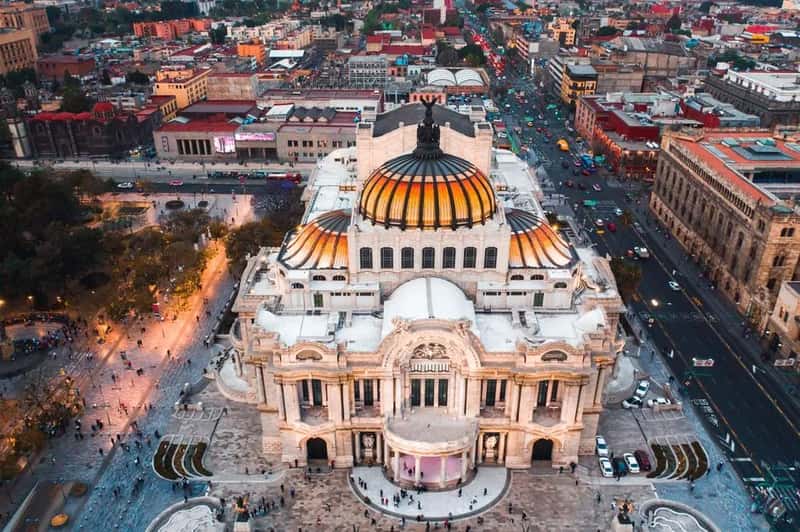
Visitor volume is only half the equation. The other half is spending, and Mexico posted a record there too. Mexico earned about US$18.78 billion (US$18,780 million) from international tourism in the first half of 2026, a historic high, per Sectur and Banxico data.[4] That figure represents the highest six-month total the country has ever posted for foreign tourism earnings.
Interestingly, the revenue growth did not keep pace with the jump in visitor numbers. That forex figure rose just 0.5% from the same period in 2025, even though total visitors climbed by a much larger margin.[4] This gap suggests that a meaningful share of the growth came from shorter visits, day-trippers, and cruise or border traffic rather than exclusively from high-spending, long-stay vacationers.
The FIFA World Cup Effect
No discussion of Mexico’s 2026 tourism numbers is complete without addressing the World Cup, which Mexico co-hosted with the United States and Canada during the summer. The 2026 FIFA World Cup (11 June–19 July) brought roughly 3 million foreign visitors to Mexico, but about 60% were day-trippers who never booked a hotel.[4] That detail matters because it helps explain why overall visitor counts surged while overnight tourism grew more modestly by comparison.
The three host cities felt the impact directly in both foot traffic and revenue. Guadalajara and Monterrey logged 7.8 million visitors and more than MX$42 billion (~US$2.46 billion) in tourism revenue, with Mexico City included in that host-city total.[4] Sectur has credited the tournament with contributing to several of the records set this year, even as officials acknowledge that much of the underlying growth predates the Cup and reflects broader structural trends in Mexican tourism.
Air Travel, Cruises and Border Crossings All Contribute
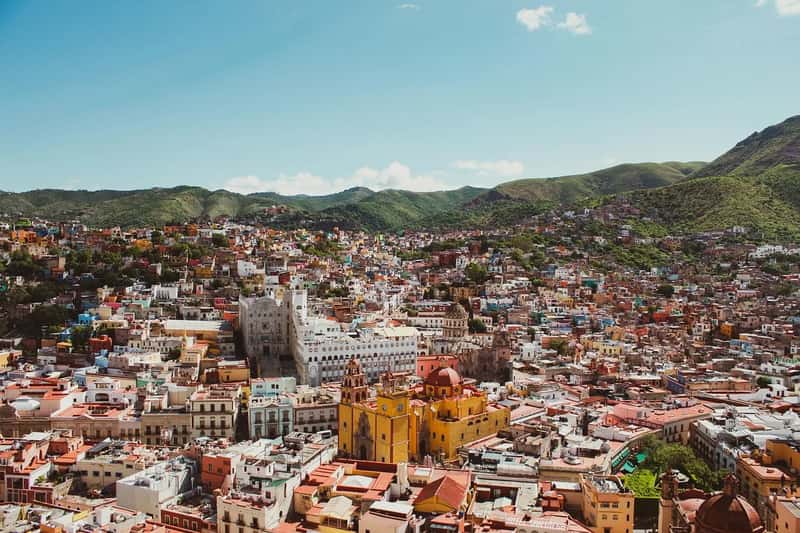
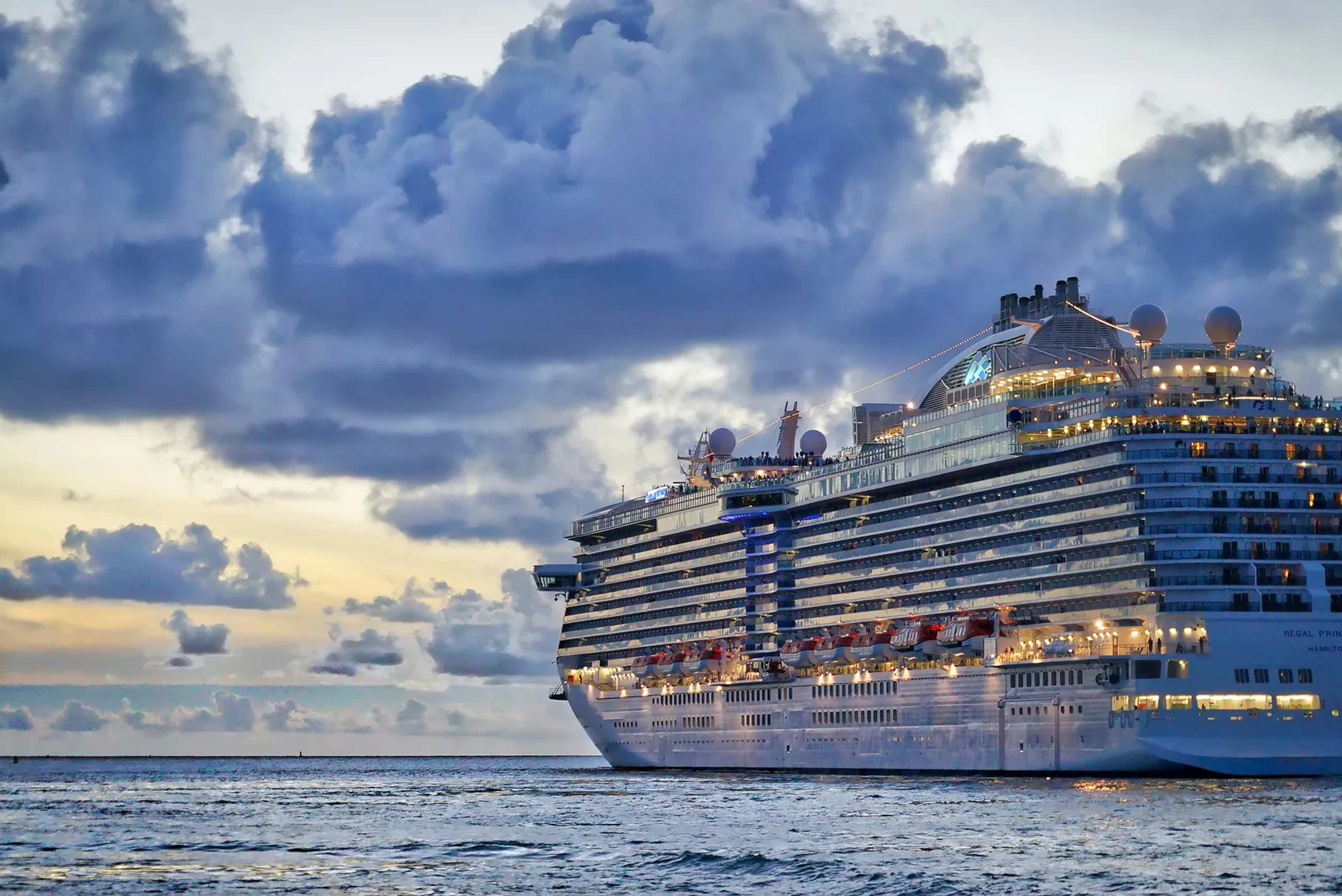
The 51.1 million figure is not driven by a single travel segment. It reflects growth across nearly every category of cross-border movement. The tally combines international tourists who stay overnight with same-day visitors and cruise passengers, providing a broad measure of cross-border travel activity.[2] Cruise tourism in particular has become an increasingly important pillar of Mexico’s overall numbers.
Looking back at the closing months of 2025 gives a sense of how strong the cruise segment has become heading into this year. The cruise sector reported significant growth, with 10.1 million excursionists arriving at Mexican ports and generating US$847.9 million in revenue during that period.[5] Combined with steady growth in land border crossings and continued strength in commercial air arrivals, this diversified base has made Mexico’s tourism recovery more resilient than a single-sector boom would be.
Context: A Multi-Year Boom, Not a One-Off Spike

To understand why 51.1 million visitors in six months feels like such a milestone, it helps to look at how far Mexico has come in a relatively short span. In 2024, Mexico received around 45 million international tourists, on par with pre-pandemic levels in 2019 and representing a 7.4% increase from 2023.[6] Growth continued in 2025, with inbound arrivals increasing by 6.1%.[6]
Full-year 2025 figures underline just how dramatic the acceleration has been. Mexico’s Minister of Tourism reported that the country welcomed 47.8 million international tourists in 2025, representing a 6% increase from the previous year.[7] When broader visitor categories are included, total international visitors reached 98.2 million, up 13.6% year over year, while tourism revenue exceeded US$34.99 billion, an increase of 6.2%.[7] Against that backdrop, a first half of 2026 that already exceeds 51 million visitors looks less like an isolated surge and more like the continuation of a multi-year trend line pointing consistently upward.