Mexico’s security story in 2026 is hard to sum up in one line. National figures point in one direction, while the news from certain cities and states points in another. Both can be true at once, and the gap between them matters if you live, work or travel in the country.
This piece looks at where pressure is building, what the data can and can’t show, and how governments and travelers are responding. Most of the facts come from official statistics, independent research groups and major news reports published between 2024 and 2026.
A National Decline With Uneven Ground
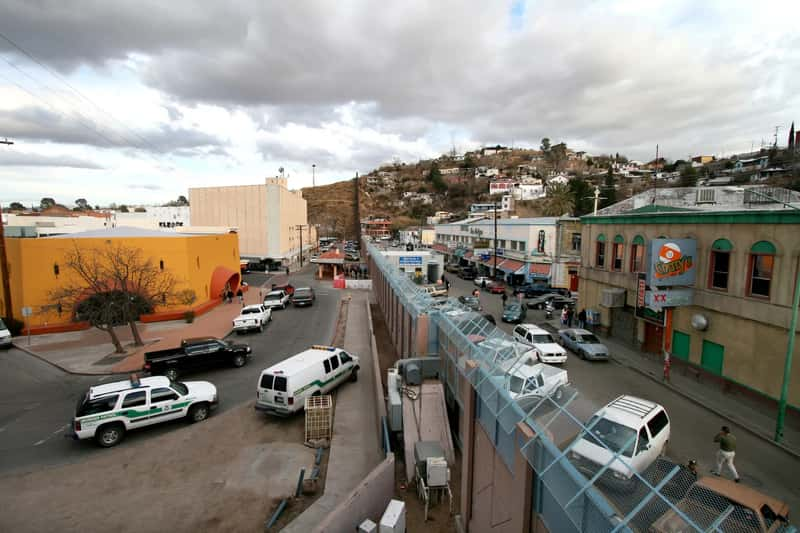
The government’s security secretariat reports that the daily average of intentional homicides fell by just over half between September 2024 and September 2026, from 86.9 to 42.2 per day.[1] The statistics institute INEGI uses different methods and reports different figures, yet both sources point to a national decline.[2] On paper, that’s a significant shift.
The national average doesn’t spread evenly, though. One tracker notes that most states declined, with the main exception being Sinaloa, where a cartel war pushed homicides sharply higher.[3] A falling national line can sit comfortably beside a worsening local one.
Sinaloa and the War of the Splinters
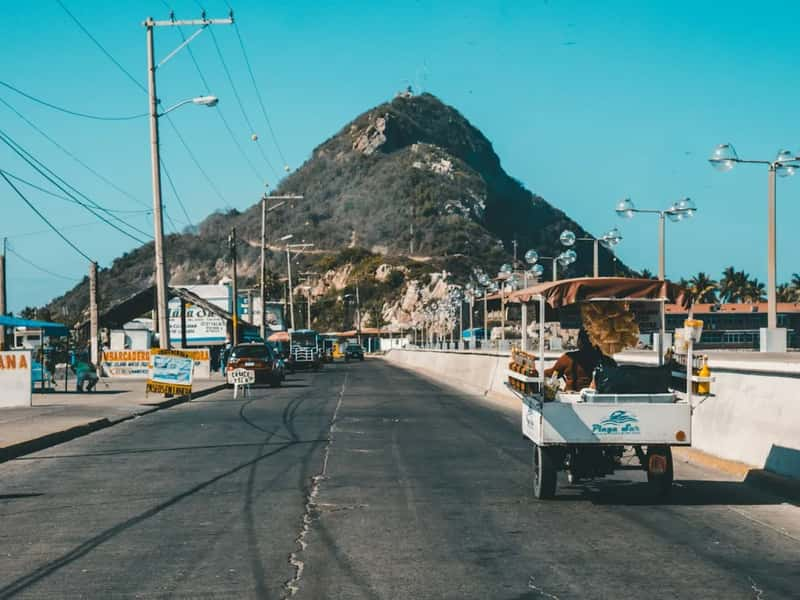
The conflict traces back to mid 2024, when Sinaloa cartel co founder Ismael Zambada was taken to the United States and war broke out between the Chapitos and the Mayos.[4] Culiacán became the center of the fighting.[4] By mid 2025, NPR described bodies turning up daily, bullet riddled homes, shuttered businesses and schools that regularly closed during waves of violence.[5]
The International Crisis Group’s July 2026 report offers a more recent picture. It finds the military has curbed the worst violence in the state capital, but the dispute has shifted to rural areas and killings continue.[6] The group says thousands of people have been killed, disappeared or displaced.[6]
Jalisco After the Death of El Mencho
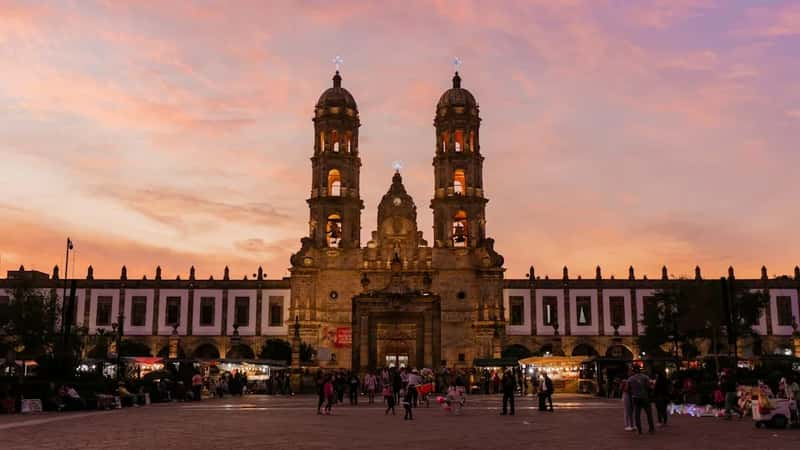
On February 22, 2026, Mexico launched a military operation against Jalisco cartel leader Nemesio Oseguera, known as El Mencho, who was killed in an exchange of gunfire.[7] His death unleashed chaos and a wave of violence in parts of Jalisco, including Guadalajara, Zapopan and Puerto Vallarta.[8] The speed of the reaction showed how deeply the group is rooted in the region.
The U.S. State Department’s consular office urged Americans to shelter in place across Jalisco, including Puerto Vallarta, Chapala and Guadalajara, and in parts of several other states.[9] More than 200 flights to Jalisco were canceled or diverted.[10] Local reports cited more than 70 people killed in retaliatory attacks over the weekend.[10]
How Guadalajara Residents Feel
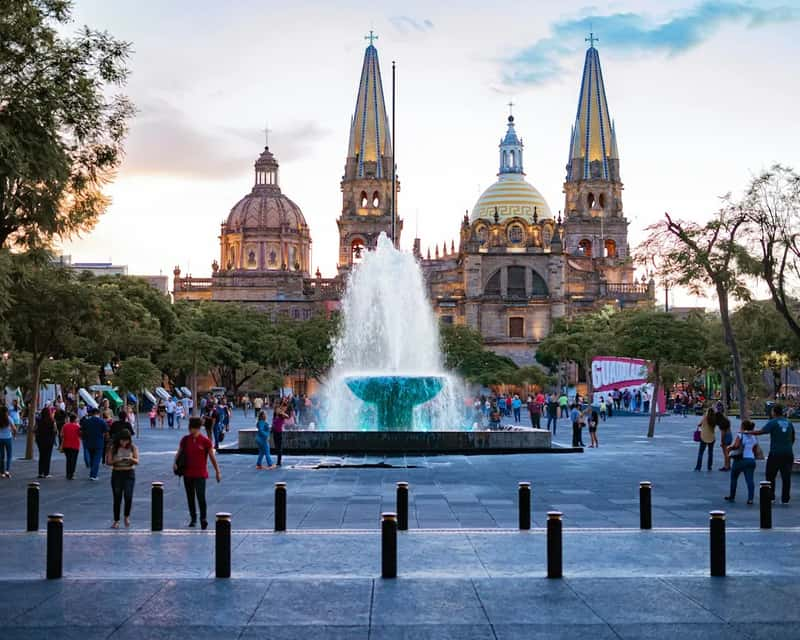
Perception data adds another layer. A national public safety survey from INEGI, published in April 2026, found about nine in ten Guadalajara residents viewed the situation in their area as insecure.[8] That was up from nearly eight in ten in December 2025, a change INEGI described as statistically significant.[8]
Surveys of feelings aren’t the same as crime counts. Still, a jump that large over a few months suggests the February violence left a mark that official trends haven’t erased. The Jalisco New Generation Cartel has an estimated 19,000 members and operates across 21 of Mexico’s 32 states, according to an AP report.[11]
Extortion and Fragmented Criminal Groups

The 2026 Peace Index found homicides in Mexico fell by more than a fifth over the past year.[12] Its authors warn that disappearances, extortion and localized cartel conflicts are increasingly replacing mass homicide as the dominant threats.[12] Analysts say internal divisions among criminal groups have intensified localized violence even as national homicide figures trend downward.[12]
A September 2026 analysis in Americas Quarterly makes a similar point. It says the president’s security strategy has lowered murder rates but should also address rampant extortion and disappearances, and seek stronger federal and state cooperation.[2] The shift suggests danger may be changing form rather than simply fading.
What the Numbers Can and Can’t Show
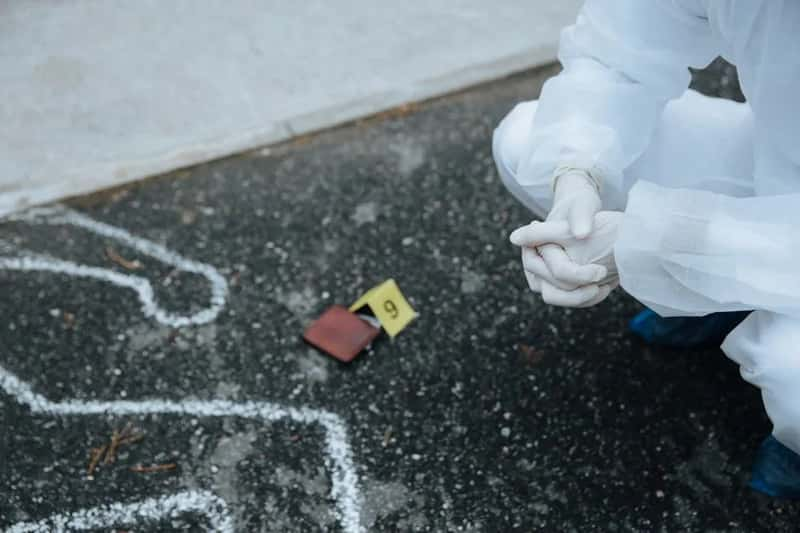
Counting homicides isn’t straightforward. For 2025, INEGI’s preliminary count was 27,989 homicide deaths, compared with 23,612 from the public security secretariat, a gap of 4,377.[3] INEGI put the 2025 rate at 21.4 per 100,000, down from 25.8 in 2024.[13]
Analysts also raise a more cautious question. It isn’t clear how much of the decline reflects real change and how much reflects reclassification, and the think tank México Evalúa has pointed to disappearances and killings outside the intentional homicide category.[13] Both the drop and the doubts are part of the record.
What Travel Advisories Say
The U.S. State Department reissued its Mexico advisory on May 29, 2026, keeping the country at Level 2, which means exercise increased caution, due to terrorism, crime and kidnapping.[14] Six states remain under a Level 4 Do Not Travel advisory: Colima, Guerrero, Michoacán, Sinaloa, Tamaulipas and Zacatecas.[15]
Baja California, Chihuahua, Guanajuato and Jalisco are classified as Level 3, meaning Americans should reconsider travel.[15] Mexico City and Nuevo León, home to Monterrey, are listed as Level 2.[15] One travel guide advises checking the advisory for your exact destination rather than relying on the country as a whole.[14]