Mexico remains one of the most visited countries on earth, and 2026 has done little to change that. Between a booming tourism economy and a growing wave of remote workers settling into coastal towns, millions of international travelers are still choosing Mexico every month. The real story, though, isn’t a single safety verdict. It’s a patchwork of regions, some as calm as any European capital, others facing serious organized crime problems that make headlines for the wrong reasons.
Understanding that patchwork is the key to planning a smart trip. Below is a practical look at the destinations that consistently show up as the safest choices for international visitors this year, along with the context needed to travel through them with confidence rather than anxiety.
How Mexico’s State-by-State Safety Ratings Work in 2026
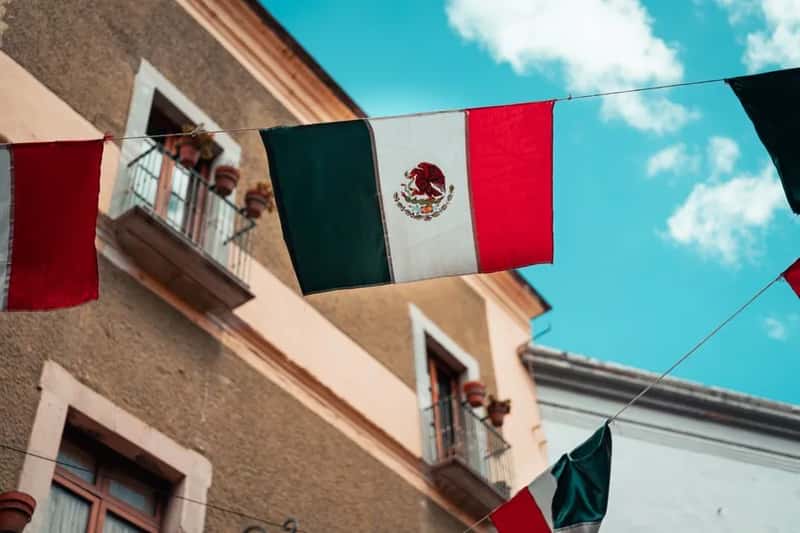
Mexico is the only country where the United States issues a separate travel advisory level for every single state rather than one blanket rating. The U.S. State Department uses a 1–4 scale for travel advisories, and Mexico is the only country in the world where every individual state is assigned its own level. That granularity matters enormously, because a country-wide headline of “Level 2” hides dramatic differences between, say, a quiet colonial town and a cartel-contested highway two states away.
As of the most recent update, the overall national advisory sits at Level 2, meaning travelers should exercise increased caution due to crime and kidnapping concerns in parts of the country. The United States Department of State reissued its Mexico travel advisory on May 29, 2026, and Mexico remains Level 2: Exercise Increased Caution overall due to terrorism, crime, and kidnapping or hostage taking, with some states lower risk while six states remain Level 4: Do Not Travel. Those six, Colima, Guerrero, Michoacán, Sinaloa, Tamaulipas, and Zacatecas, are genuinely best avoided for leisure travel right now. Everywhere else covered in this guide sits well outside those boundaries.
Mérida and the Yucatán Peninsula
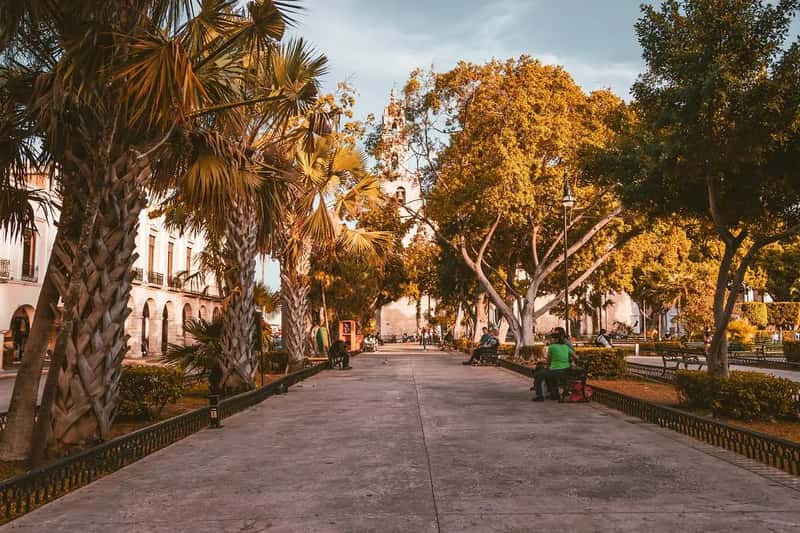
If there’s one answer that comes up again and again when people ask about Mexico’s safest city, it’s Mérida. Mérida, in Yucatán state, is the city most often cited as the safest in Mexico, and Yucatán is one of only two Mexican states the U.S. State Department rates at Level 1, its lowest risk level. Walk through its restored colonial mansions, wander the Paseo de Montejo at night, or browse the Sunday market downtown, and it genuinely feels like one of the more relaxed urban experiences anywhere in Latin America.
The appeal isn’t just the low crime numbers either. Mérida has become a favorite base for retirees and remote workers precisely because daily life there rarely involves the kind of vigilance travelers might apply elsewhere in the country. Nearby Valladolid and the cenotes scattered across the peninsula share much of that same calm, making the wider Yucatán region a natural anchor for a first-time or return trip to Mexico.
Campeche: Mexico’s Other Level 1 State
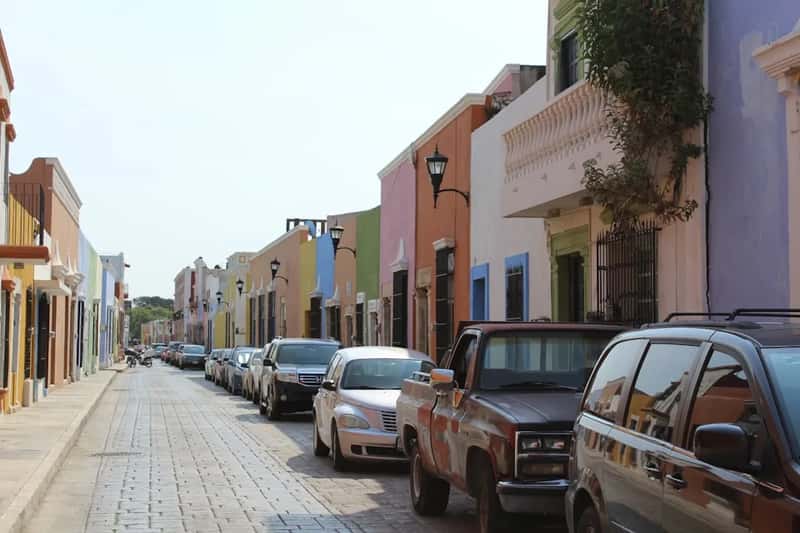
Campeche tends to get overlooked next to its flashier Yucatán neighbor, yet it holds the same top safety rating. Safety varies sharply by state: Yucatán and Campeche are rated Level 1, while six states are rated do not travel. The state capital, also called Campeche, is a UNESCO World Heritage walled city with pastel-colored buildings and a waterfront promenade that fills with families most evenings.
Because it draws fewer international visitors than Cancún or Playa del Carmen, Campeche offers a quieter, slower pace without sacrificing safety. Travelers looking to combine Maya archaeological sites like Calakmul with a genuinely low-risk home base often find Campeche City fits that role better than busier alternatives. It’s not a nightlife destination, but for cultural travel and history, it’s hard to beat on the safety front.
Los Cabos and Baja California Sur
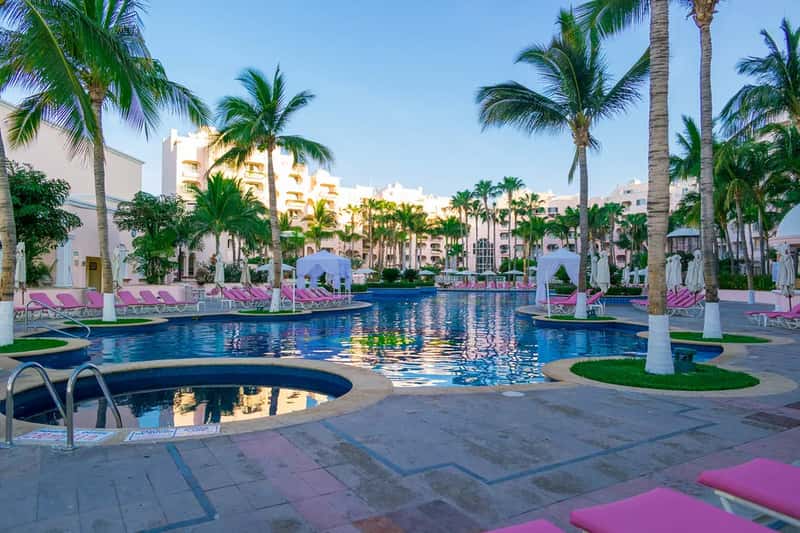
Confusion between Baja California and Baja California Sur trips up a lot of would-be visitors, so it’s worth clearing up directly. Baja California Sur, home to Los Cabos, is Level 2 and one of Mexico’s safest tourist destinations, while Baja California, home to Tijuana, is Level 3, and the two are two completely different states. That distinction alone resolves most of the anxiety travelers feel when researching Cabo San Lucas.
Cabo San Lucas and San José del Cabo continue to draw large numbers of American and Canadian visitors for exactly this reason. Cabo San Lucas and San José del Cabo are among the safest tourist destinations in Mexico right now, and Baja California Sur is Level 2. The resort corridor here is well developed, heavily patrolled, and built almost entirely around tourism, which keeps day-to-day risk low for visitors who stay within the established areas.
Cancún, Playa del Carmen, and the Riviera Maya
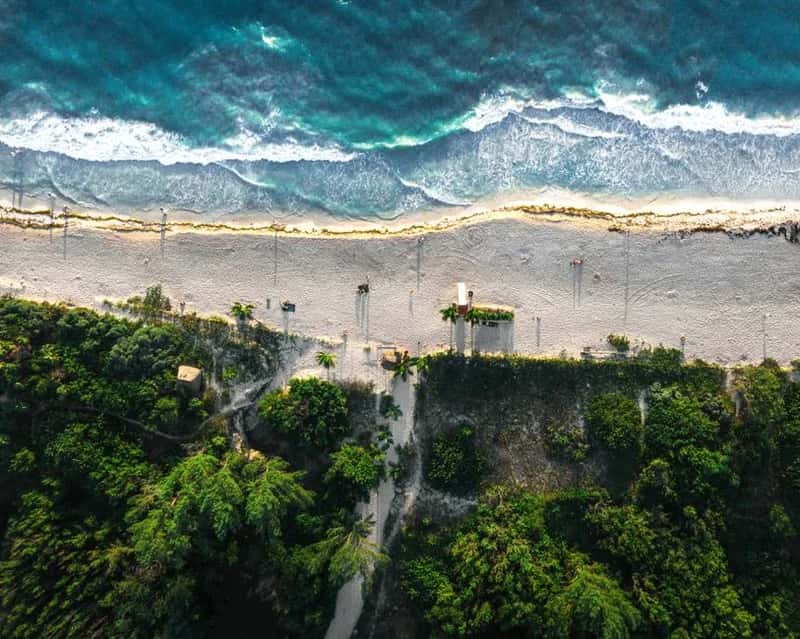
The Riviera Maya remains the single busiest tourist corridor in Mexico, and it has stayed remarkably stable through 2026. The hotel zone in Cancún, Playa del Carmen, Tulum, and Cozumel host tens of millions of international visitors a year, and as of May 2026 this remains one of the most popular international destinations in Latin America. Quintana Roo, the state covering this entire coastline, sits at Level 2, comparable to many popular European destinations.
Tulum in particular gets asked about often because of its bohemian reputation, but the numbers back up its standing as a safe pick. Tulum is a heavily visited tourist destination inside Quintana Roo’s Level 2 zone, and while the advisory flags isolated incidents in the wider state, the beach zone, archaeological site, and downtown remain popular with international visitors. Cozumel deserves a specific mention too, since island destinations in Mexico consistently show lower crime exposure than mainland cities of similar size, largely because of limited access points and a tourism-dependent local economy.
Puerto Vallarta and Riviera Nayarit
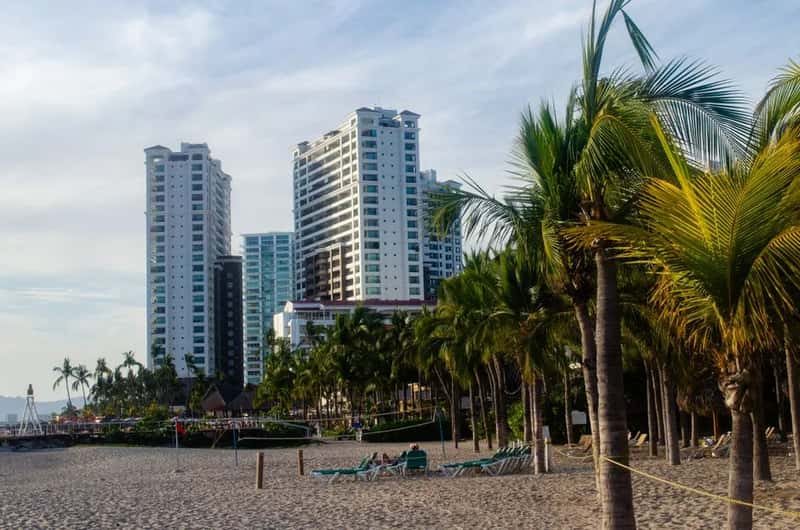
Puerto Vallarta sits in Jalisco, a state that carries a higher advisory level than its neighbors, which throws off travelers who don’t dig into the details. Puerto Vallarta sits in Jalisco, which carries a Level 3 state advisory, but the resort zone itself is well-patrolled and largely separate from the cartel activity that drives the state-level rating. A brief disruption in February 2026 did cause a short grounding of flights and a shelter-in-place order from the U.S. Embassy, but the situation resolved quickly. Following the February 22 disruptions, the situation stabilized within days, and as of April 2026 Puerto Vallarta has recovered and tourism is operating normally.
Just north along the coast, Riviera Nayarit has quietly built one of the strongest safety reputations in the country. Riviera Nayarit continues to rise as one of Mexico’s most secure and scenic destinations, and from the golden sands of Nuevo Vallarta to the charming villages of Sayulita and San Pancho, the region is known for its low crime rates, family-friendly resorts, and strong tourism infrastructure. Together, these two coastal areas offer beach travelers a genuinely lower-stress alternative to some of the more heavily marketed spots further south.
Mexico City’s Central Neighborhoods
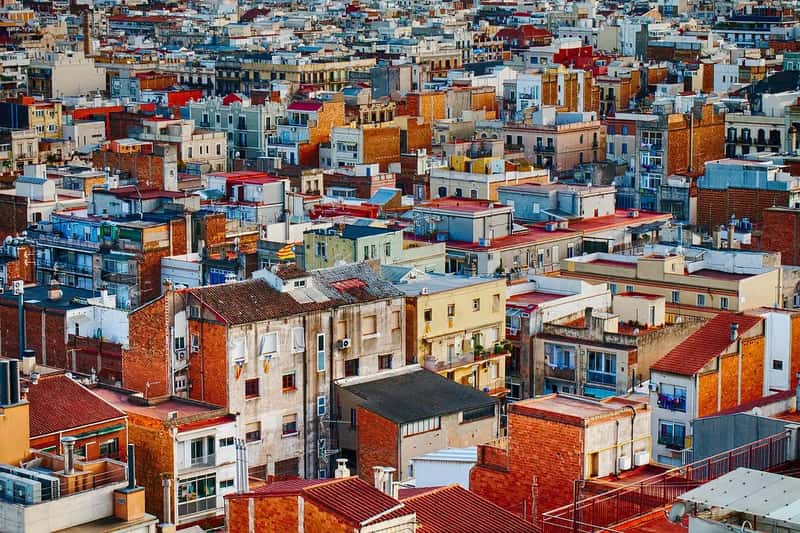
Mexico’s sprawling capital rarely gets grouped with “safe destinations” by casual observers, but its central tourist districts tell a different story than the city as a whole. Mexico City is broadly considered safe for daytime tourism in central neighbourhoods such as Roma, Condesa, Polanco, Coyoacán, Centro Histórico, and San Ángel. These are the neighborhoods where most visitors actually spend their time, eating, sightseeing, and staying overnight.
The real risks in the capital are more mundane than dramatic. The State Department’s main concerns are pickpocketing on the metro and taxi-hailing scams, with ride-hailing apps widely recommended over street taxis and peripheral neighborhoods like Iztapalapa, Tepito, and parts of Doctores best avoided after dark, while tourist-facing violent crime is uncommon in the central tourist polygons.
Oaxaca City and the Pacific Coast Towns
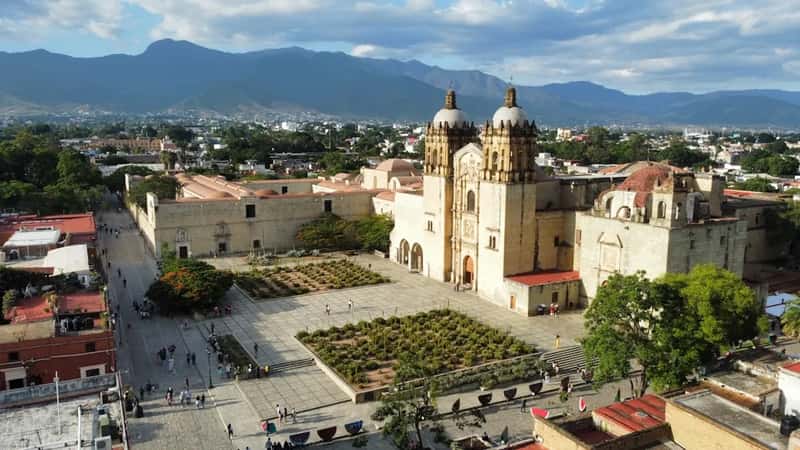
Oaxaca has become one of the more talked-about destinations in Mexico over the past few years, and its safety profile has helped drive that popularity. Oaxaca City and the Pacific coast destinations of Puerto Escondido, Mazunte, and Huatulco are popular with travellers and remote workers, and the state sits at Level 2, with the advisory’s specific concerns relating to certain rural Sierra Norte and Isthmus regions rather than the city centre or main coastal towns. The historic center of Oaxaca City, with its markets, mezcalerías, and colonial architecture, remains one of the more walkable and low-key urban experiences in the country.
Along the coast, Puerto Escondido and Huatulco have each built reputations as laid-back surf and beach towns rather than crime hotspots. Both draw a steady mix of long-term remote workers and shorter-term vacationers who report the same relaxed atmosphere that defines Oaxaca City itself. As with most of the destinations on this list, the caution applies to specific rural corridors rather than the towns travelers actually visit.
San Miguel de Allende and the Colonial Heartland

Guanajuato state carries a Level 3 advisory overall, which understandably makes some travelers nervous, but San Miguel de Allende is the clearest example of why state-level ratings can be misleading. Guanajuato state is Level 3, but San Miguel de Allende is one of the safest cities in North America. The city has spent years topping international “best small city” lists, and its safety reputation has held up alongside that praise.
A similar pattern shows up in Michoacán with the city of Morelia, another Level 3 state hiding a genuinely calm urban core. Morelia city is the state capital with significant police presence and a strong tourism infrastructure, and the city itself has a safe colonial core, with hundreds of thousands of visitors using it as a base for the monarch butterfly migration without incident. These colonial cities reward travelers willing to look past the headline state rating and dig into the city-specific reality underneath it.
Practical Safety Tips for Travelers in 2026
None of the destinations above are risk-free, and no responsible guide would claim otherwise. The single most useful habit any traveler can build is checking the official advisory shortly before booking and again just before departure, since conditions can shift. One smart habit before you book is to give the State Department’s Mexico advisory a two-minute scan, since levels get updated through the year. Sticking to established tourist zones, using ride-hailing apps instead of hailing taxis on the street, and avoiding rural night driving all reduce risk meaningfully across every destination mentioned here.
Mexico in 2026 isn’t a single story of danger or safety, it’s dozens of local stories layered on top of one national advisory. Travelers who take the time to separate state-level headlines from city-level realities, who lean on official sources like STEP and the embassy’s alert page, and who stay reasonably alert in unfamiliar areas tend to come home with nothing more dramatic than good photos and a few stories about the food. That, more than any single statistic, is the most honest picture of what visiting Mexico actually looks like this year.