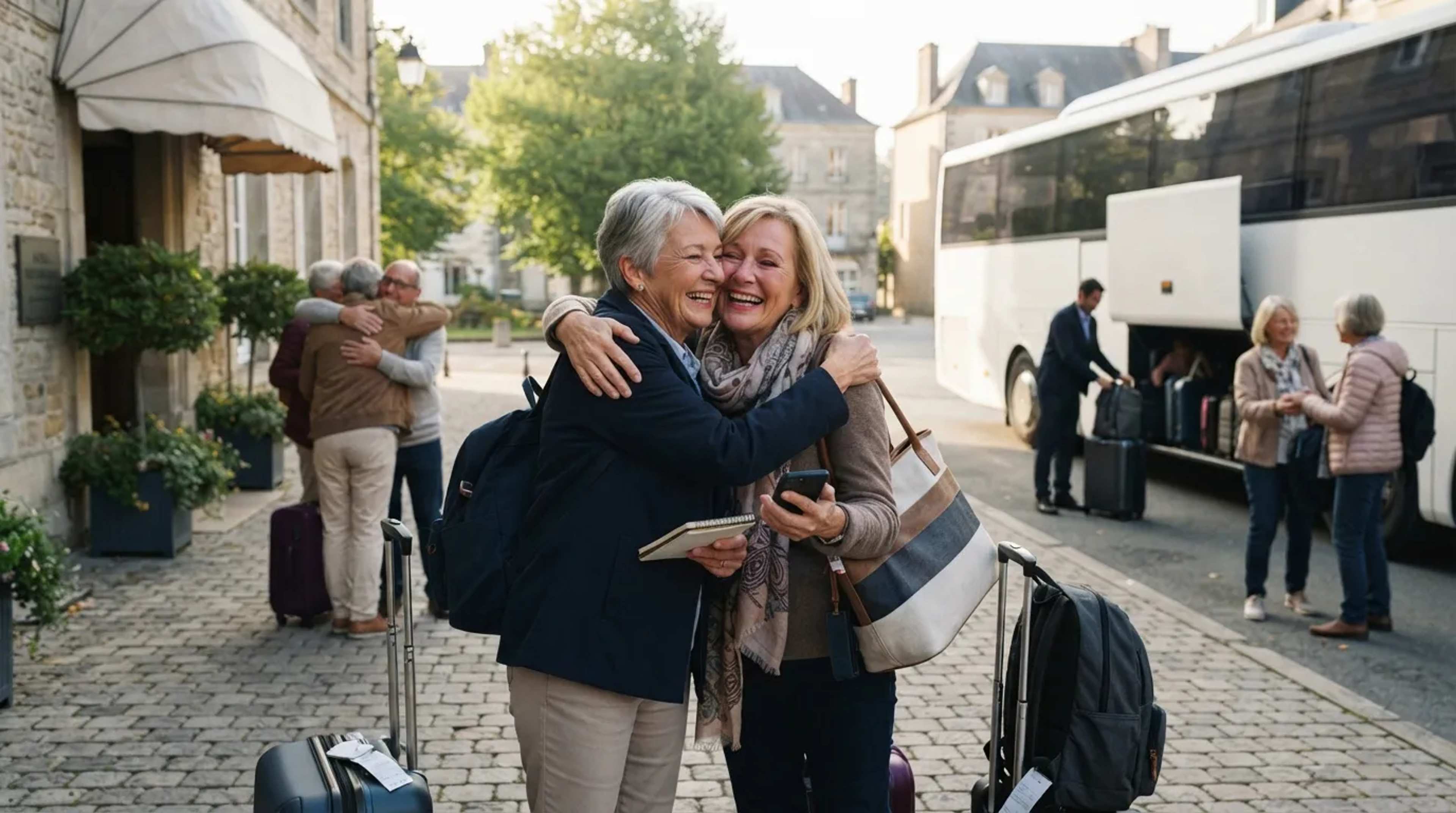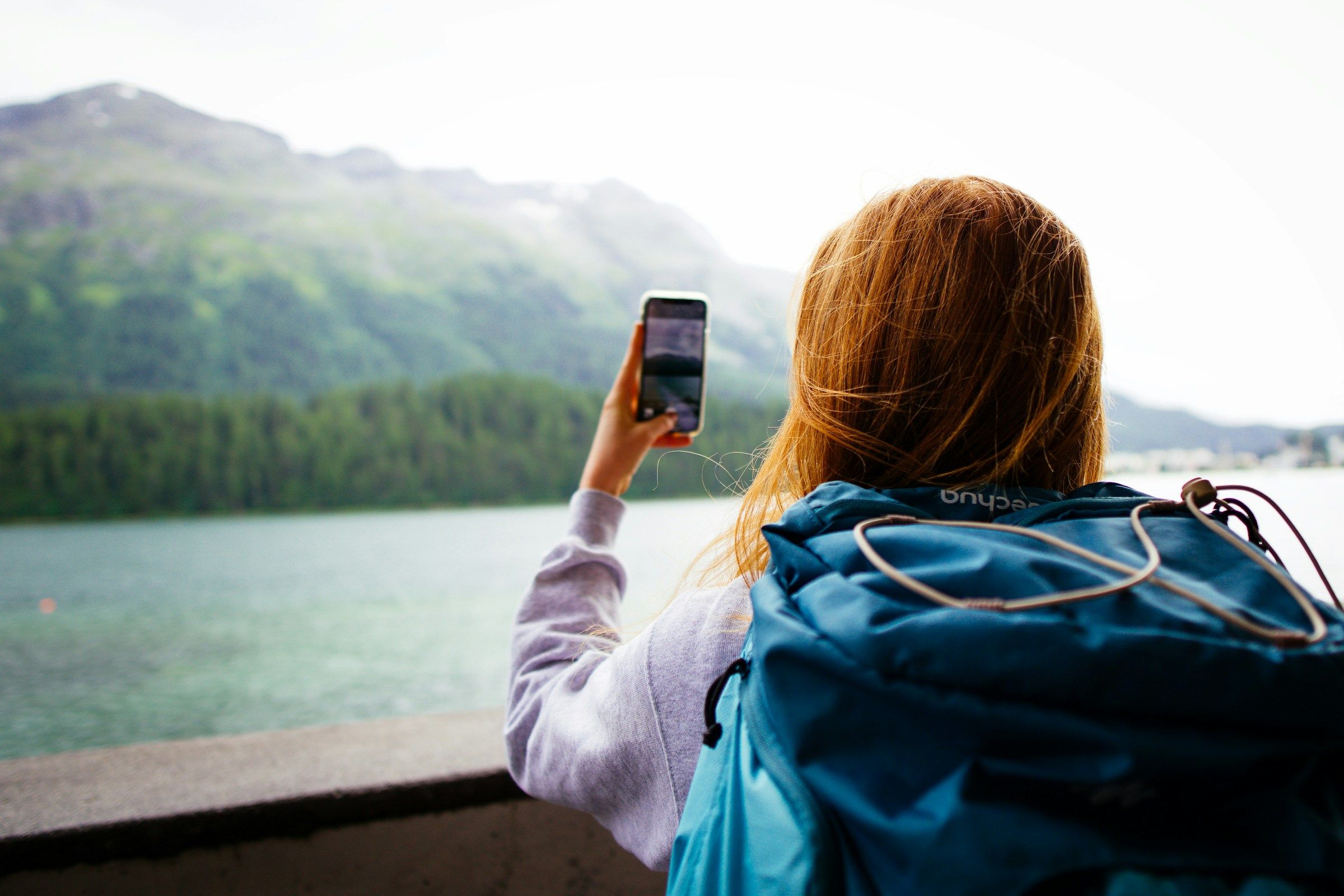
Every generation packs a suitcase a little differently. Ask a boomer parent about their idea of a perfect getaway and you’ll likely hear about the same lakehouse, the same all-inclusive resort, or the same travel agent they’ve trusted for twenty years. Their millennial kids, now mostly in their thirties and early forties, have quietly rewritten a lot of those rules, not out of rebellion, but because the tools, budgets, and priorities around travel have shifted underneath them.
None of this happened overnight, and it rarely shows up as a loud declaration. It’s more of a slow drift, visible mostly in booking data, spending patterns, and the kinds of trips people actually post about. Here are six vacation habits that used to be second nature to older generations, and why millennials have been stepping away from them.
The all-inclusive resort you never leave

For decades, the classic family vacation meant picking one resort, paying upfront, and staying inside its gates for the entire trip. Millennials haven’t abandoned all-inclusive travel outright, but they’ve grown tired of the version where the resort is the entire destination. Gone are the days of all-inclusive vacations where you never leave the resort[1], at least for a growing share of this generation.
Instead, many are treating the resort as a home base rather than the whole point of the trip. Millennials are seeking off-the-beaten path adventures that are authentic and unforgettable[1], which often means day trips into town, local food tours, or excursions that have nothing to do with the property’s pool bar. Travel advisors have also noticed a related shift away from purely resort-bound trips. Molayem also mentioned a shift away from all-inclusives and influencer-curated trips among millennials, in favor of voluntourism, heritage travel and cultural immersion.[2]
The travel agent-planned, pre-set itinerary

Boomer and Gen X parents often handed the entire trip over to a travel agent, who mapped out flights, hotels, and daily activities down to the hour. Millennials grew up watching that model fade, and the numbers back it up. Itinerary creation through online travel agents has seen a decline from 50% to 25% in two years, and more millennials plan their own trips.[3]
Part of this comes down to how differently millennials research a trip in the first place. Instead of reading guide books and contacting agents at a brick-and-mortar travel agency, they are more likely to read online reviews and check out social media profiles.[4] It isn’t that millennials distrust expertise entirely; some are actually returning to advisors for complicated luxury trips. Still, the old model of a fixed, agent-built package for an ordinary family vacation has largely lost its appeal.
The one long annual family trip

Many parents built their whole vacation year around a single, extended trip, often two or three weeks at the same spot every summer. Millennials have swapped that pattern for something more fragmented, favoring several shorter breaks spread across the calendar instead of one big one. Baby boomers who are mainly retired take the longest trips and millennials take shorter trips but travel the most days each year.[5]
That distinction matters. It isn’t that millennials travel less, it’s that they travel differently, in smaller bursts tied to long weekends, remote work flexibility, or milestone events. The average millennial takes 4 to 5 trips a year, with bleisure travel combining business and leisure becoming the norm.[6] Some data even shows this generation logging more total travel days annually than their parents’ generation ever did, just broken into smaller pieces.
Souvenir shopping for trinkets and tchotchkes

Fridge magnets, shot glasses, snow globes, keychains stamped with a city name, these were once the standard proof that a family had actually gone somewhere. That habit has faded noticeably among millennial travelers, who tend to view spending money differently while abroad. Unlike older generations, millennials tend to value experiences more than material goods.[6]
That doesn’t mean the budget shrinks, it just moves to a different line item. They spend more on doing things, like guided tours, local workshops, or wellness retreats, than on fancy shopping.[6] When millennials do bring something small home, it’s often less about display and more about memory, a used train ticket or a museum map tucked into a journal rather than a shelf full of knickknacks.
Guidebooks, paper maps, and fixed routes
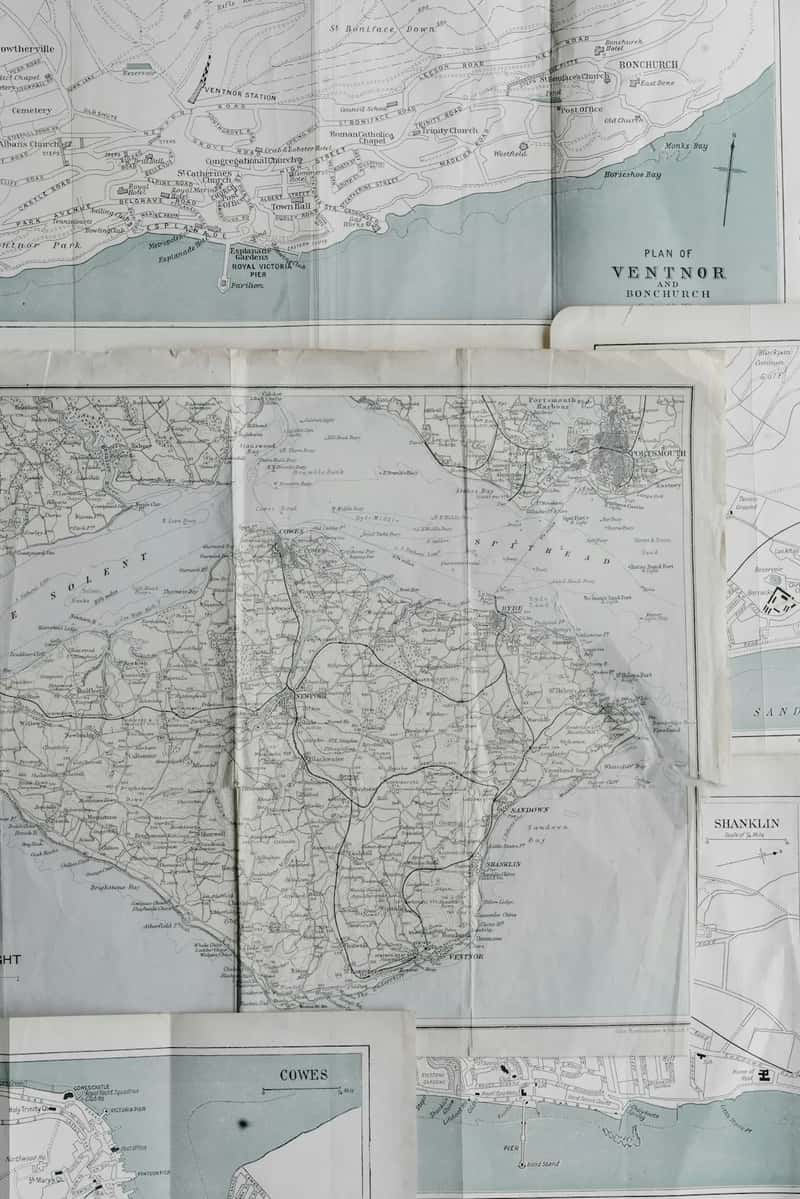
Parents who traveled in the eighties and nineties often relied on a dog-eared guidebook and a folded paper map to figure out where to eat and what to see. Millennials swapped that system for something far more fluid, built almost entirely around their phones. In a generation that grew up with mobile phones, two in three book their travel on their phone, almost three in four use it to research, and have specific travel apps installed.[3]
That shift has only accelerated as newer tools enter the picture. In 2026, 58% of millennials report using an AI tool during travel planning, up from roughly 30% in 2024.[6] Rather than committing to a fixed route decided weeks in advance, many millennials now adjust plans in real time, swapping a museum visit for a recommended restaurant they stumbled across an hour earlier.
Returning to the same family destination every year

For a lot of parents, loyalty to one beach town, one cabin, or one relative’s hometown was the whole tradition, the same place, year after year, mostly to see extended family. Millennials have leaned away from that pattern, favoring new locations over repeat visits. Millennials are more likely to visit new places to learn more about themselves than they are to visit family, whereas over half of Gen Z and baby boomers travel to visit family and friends.[7]
This isn’t necessarily a rejection of family or nostalgia altogether. Interestingly, some millennials are drawn to recreating a childhood trip rather than repeating the same one endlessly. Nostalgia-based travel is also on the rise among young people, with 78% of respondents having already recreated or wanting to recreate a trip they took in childhood.[8] The difference is subtle but real: it’s less about returning to the exact same spot every year and more about chasing a feeling, wherever that ends up leading them.