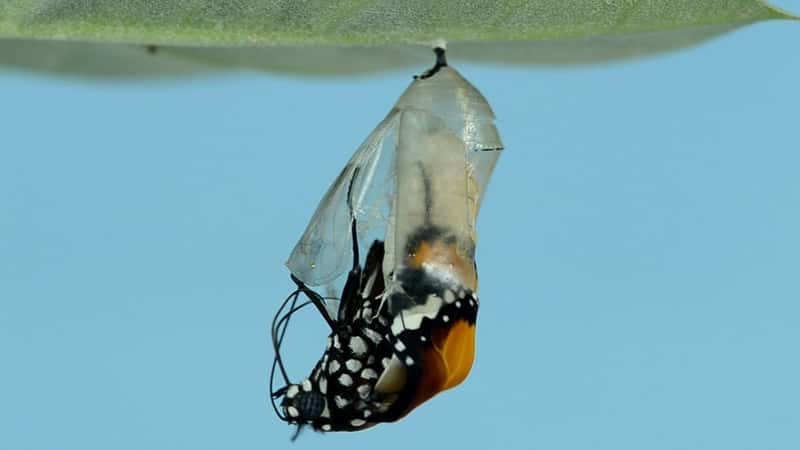
7 Moths that Make Butterflies Look Boring – Image for illustrative purposes only (Image credits: Unsplash)
Butterflies often steal the spotlight in gardens and nature documentaries, yet moths quietly hold their own with remarkable patterns, behaviors, and survival tricks. The National Wildlife Federation has drawn attention to several species that demonstrate why these insects deserve equal admiration. Both groups belong to the Lepidoptera order, but moths vastly outnumber butterflies worldwide.
A World Dominated by Moths
Moth species outnumber butterflies by nearly ten to one across the globe. In the United States alone, more than 11,000 moth species have been documented. This numerical dominance reflects an extraordinary range of sizes, colors, and lifestyles that often go unnoticed because many species fly at night.
Day-flying moths add another layer of interest. Some hover like hummingbirds while feeding on nectar, creating moments of confusion for observers who expect only butterflies to behave this way. Their rapid flight can reach impressive speeds, with certain hawk moths exceeding 33 miles per hour.
Striking Adaptations on Display
The snowberry clearwing moth mimics bumblebees in both appearance and daytime activity. Its transparent wings and robust body allow it to blend into pollinator communities while it sips nectar from flowers. This mimicry helps it avoid predators that have learned to steer clear of stinging insects.
Luna moths emerge without functional mouthparts and live only about a week as adults. Their long, tail-like wing extensions create erratic fluttering that interferes with bat echolocation, offering a clever defense during nocturnal flights. The cecropia moth faces a different challenge: bolas spiders mimic the pheromones released by females, luring males to their doom.
Other species rely on visual deception. The io moth flashes large eye-spots on its wings when threatened, startling predators into believing they face a much larger animal. The Texas wasp moth copies the coloration and shape of paper wasps, gaining protection from birds that avoid the stinging models. Rosy maple moths tie their life cycle to maple trees, with caterpillars feeding exclusively on the leaves of those hosts.
Practical Ways to Support Moths
Many moth populations face declines linked to habitat loss and changing land use. Planting native trees and flowers provides essential host plants for caterpillars and nectar sources for adults. Species such as the pandorus sphinx moth use long proboscises to reach deep into blossoms, underscoring the value of diverse garden plantings.
In autumn, leaving fallen leaves in place creates sheltered spots where many moths overwinter. This simple step preserves the next generation without requiring extra effort or expense. The National Wildlife Federation encourages these practices as direct ways to help reverse troubling trends in insect numbers.
Key actions include choosing native host plants, avoiding broad pesticide use, and maintaining leaf litter through winter.
These understated insects continue to reveal sophisticated strategies that keep ecosystems functioning. Observing them more closely often shifts perceptions about which winged visitors truly command attention in the natural world.