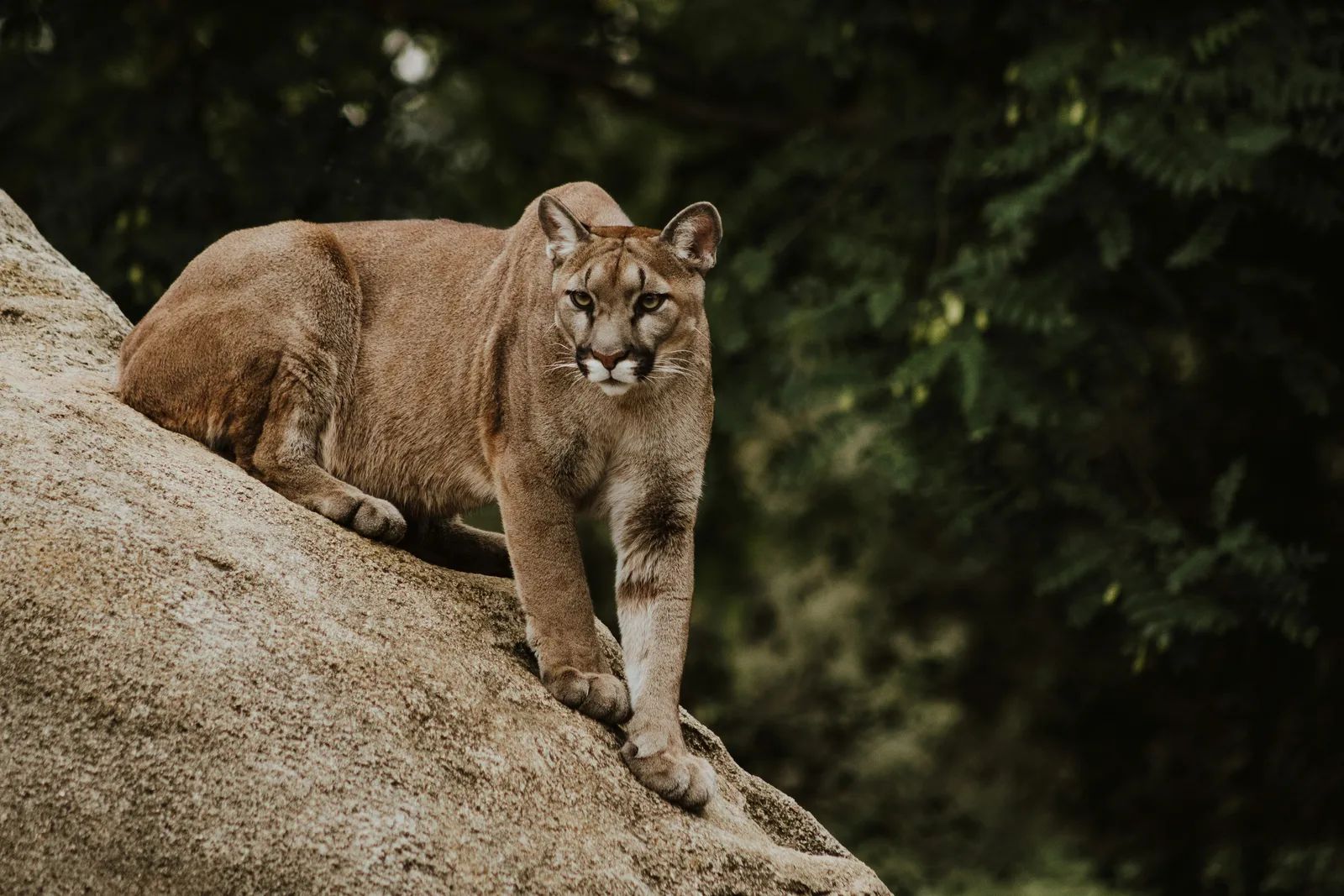
Griffith Park in Los Angeles has drawn visitors for decades with its trails, views, and proximity to the famous Hollywood sign. Yet the presence of a mountain lion in this urban-adjacent space surprised even longtime wildlife officials. Photographer Steve Winter set out to document the animal despite initial doubts from National Park Service biologist Jeff Sikich. The resulting image helped shift local attitudes toward wildlife corridors in one of the nation’s busiest cities. ([1])
Initial Doubts From Experts
Sikich, the biologist assigned to Griffith Park, told Winter that mountain lions simply did not live there. The assessment reflected common assumptions about the fragmented habitat around Los Angeles. Winter, however, recalled earlier records of the species in the area and decided to pursue the shot anyway. His persistence highlighted how local knowledge and field records can challenge prevailing views held by professionals. The exchange revealed a gap between official expectations and the actual movement of wildlife through city edges. Mountain lions require large territories, and Griffith Park sits near major roads that often act as barriers. Still, the possibility of a resident animal remained open because of past sightings noted in scientific files. Winter treated the biologist’s reaction as motivation rather than a deterrent.
A Patient Search Pays Off
Winter spent roughly a year positioning camera traps in strategic spots within the park. He focused on routes that a mountain lion might use while avoiding heavy human traffic. The effort required repeated visits and adjustments to equipment placement. Nighttime conditions added another layer of difficulty because the target animal is largely nocturnal. Eventually the cameras recorded P-22, a male mountain lion fitted with a tracking collar by researchers. The animal appeared walking down a slope with the illuminated Hollywood sign visible behind it. The collar confirmed the individual’s identity and linked the photograph to ongoing monitoring programs. The image quickly circulated among conservation groups and local media.
From Image to Action
The photograph drew public attention to the challenges mountain lions face in the Los Angeles basin. It illustrated how a single animal could navigate close to one of the city’s most visited landmarks. Discussions about habitat connectivity gained momentum among residents and policymakers. Funding followed for the Wallis Annenberg Wildlife Crossing, a structure designed to span U.S. Route 101. When completed, the crossing will rank among the largest of its kind in the world. Its scheduled opening on December 2 marks a concrete outcome tied directly to increased awareness. The project aims to reduce vehicle collisions and allow safer passage for mountain lions and other species. Local support grew after people saw evidence that wildlife still existed in their immediate surroundings.
Lessons for Urban Wildlife
The episode shows how targeted photography can document species in unexpected places. It also underscores the value of combining visual evidence with existing scientific data. Communities near large parks often overlook the animals that move through those spaces at night. Clear documentation helps translate abstract conservation needs into visible, local stories. P-22’s image continues to serve as a reference point for similar efforts in other cities. It reminds planners that even heavily developed areas can support wide-ranging carnivores when connectivity improves. The story of one determined photographer and one persistent animal offers a practical example of how small discoveries can influence larger infrastructure decisions.