Some trips are about checklists and crowded landmarks. Others are about silence, space and getting your attention back. If your phone, inbox and calendar have been winning lately, the right destination can help you reset.
The ten countries below suit that purpose for different reasons. Some have strong wellbeing records, some limit tourism by design, and some simply have a lot of empty land. Where I cite figures, they come from recent sources, and the rest is evergreen background.
Bhutan: A Kingdom That Limits Crowds On Purpose
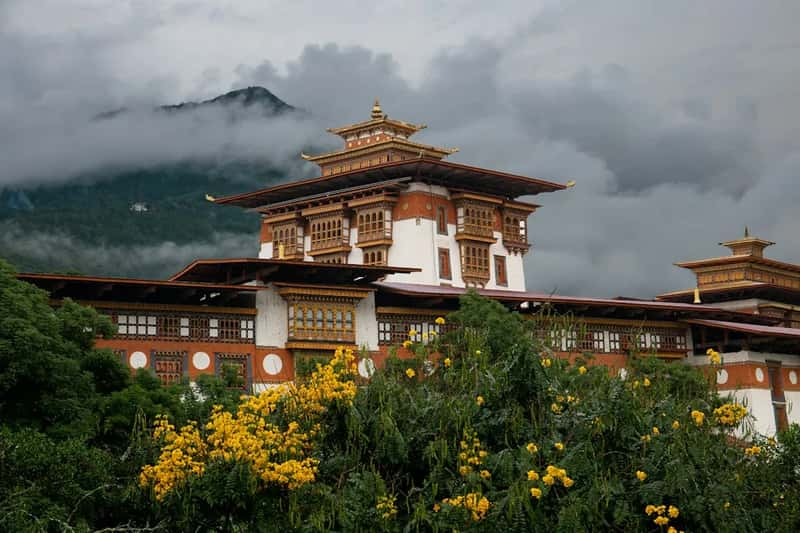
Bhutan has long followed a “high value, low volume” approach to tourism, according to one Bhutan travel planner. The kingdom has pursued this strategy since it opened to travelers in 1974.[1] The practical result is a country where monasteries, mountain passes and valley farms rarely feel overrun.
That calm has a price. Adults from most countries pay a Sustainable Development Fee of US$100 per night, a rate guaranteed until 31 August 2027.[2] Children aged 6 to 11 pay half, and children under 6 pay nothing.[2] A 5% goods and services tax on in-country tourism services began on 1 January 2026, but the fee itself is exempt.[3] Visitors are encouraged to book through a licensed Bhutanese tour operator.[4]
Finland: Saunas, Lakes And The World’s Happiest Reputation
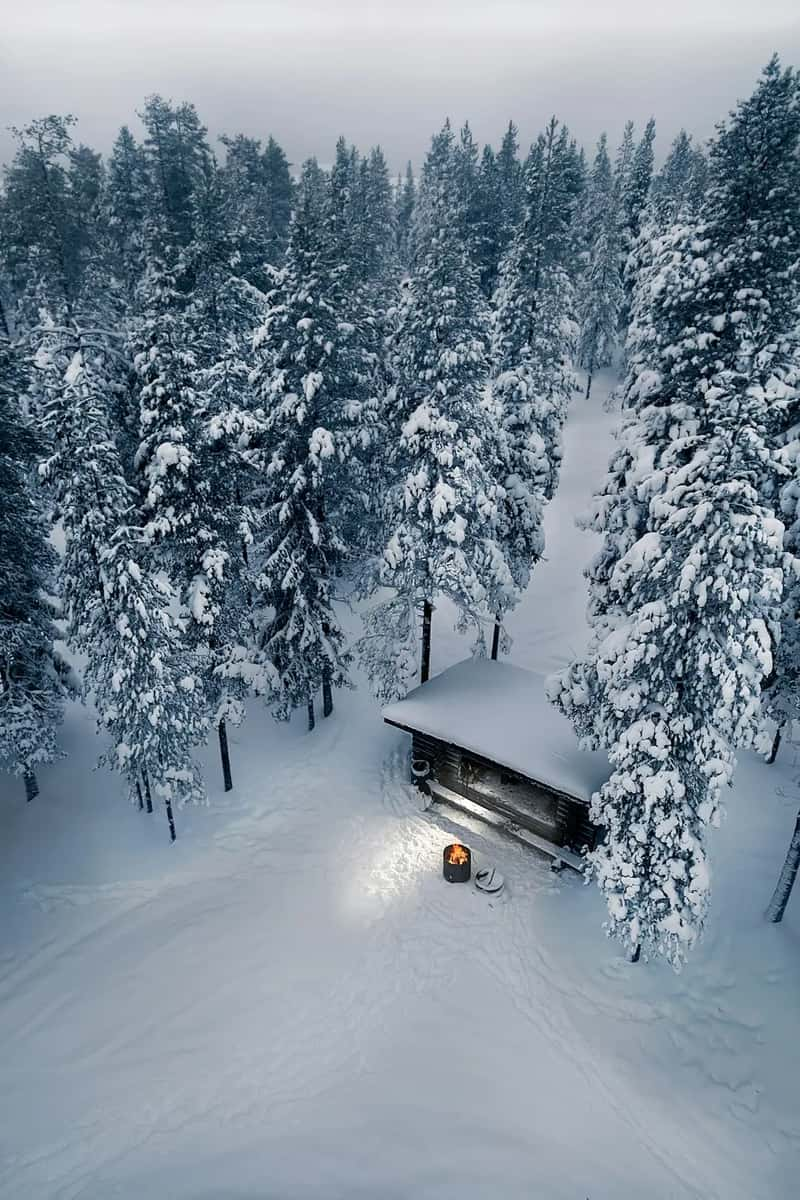
Finland is a good pick if your idea of a break is a lakeside cabin and a hot sauna. It ranked as the world’s happiest country for the ninth straight year in the 2026 World Happiness Report.[5] Finland’s own tourism site credits trust, good governance, connection with nature and work-life balance, among other things.[6]
It’s worth knowing what that ranking measures. It’s based on how people rate their own lives on a ladder from 0 to 10, averaged over three years of Gallup World Poll answers.[7] That doesn’t prove you’ll feel happier on a week’s visit. Still, a country where spending time outdoors is a normal part of daily life makes it easy to unplug. Forest walks, lake swims and long quiet evenings are the main attractions.
Iceland: Geothermal Pools And Wide Open Landscapes
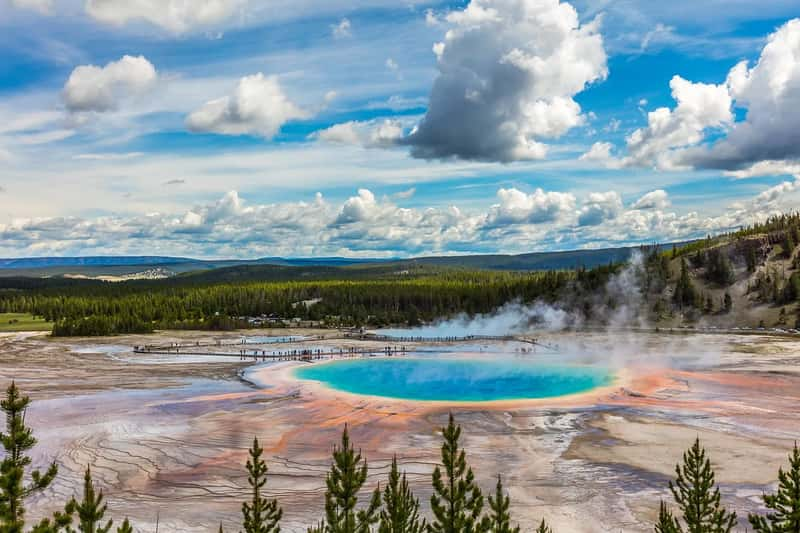
Iceland has a small population and a lot of dramatic terrain, which helps explain why it feels so restorative. It placed second in the 2026 World Happiness Report, just behind Finland.[8] Lava fields, waterfalls and glaciers sit within a few hours of each other.
The most Icelandic way to slow down is a soak in a geothermal pool, a habit woven into local life. Many towns have a public pool with hot tubs, and locals use them to socialize and unwind. Driving the Ring Road, which runs roughly 1,300 kilometers around the island, is another easy way to enjoy the scenery. Summer and winter offer very different light, so pick the season that matches the mood you want.
Slovenia: Europe’s Green, Uncrowded Alternative
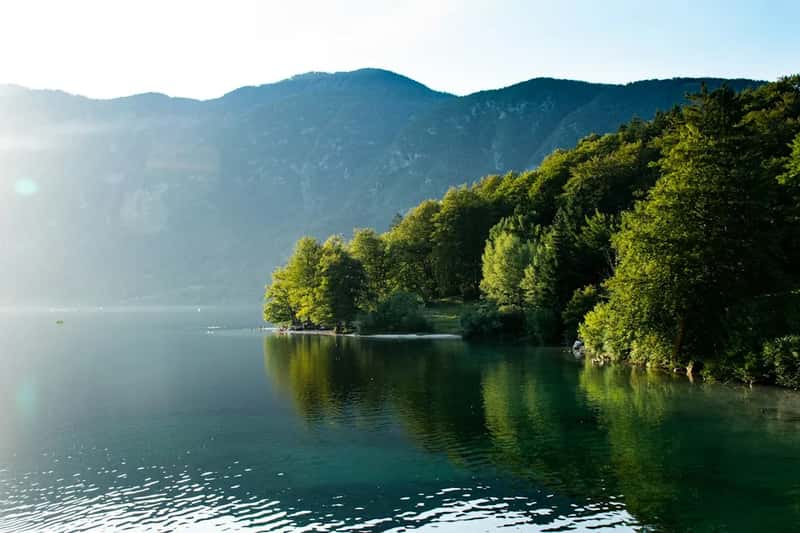
Slovenia is small, but it packs in alpine peaks, lakes, caves and vineyards. It was declared the first Green Country in the world at the Global Green Destinations Day in 2016.[9] More than 60% of its land is covered by forest.[10] That’s a lot of shade for a country you can cross by car in a few hours.
It also stays relatively calm. One travel guide notes that Slovenia is still fairly quiet in peak season compared with neighbors Croatia and Italy.[11] Lake Bohinj is described as a quieter alternative to Lake Bled for hiking and swimming.[12] Ljubljana’s historic old town is largely car-free, so it’s easy to explore on foot or by bike.[10] Eight Slovenian destinations also made the Green Destinations Top 100 Stories list for 2025.[13]
Costa Rica: Rainforest Calm With Pura Vida Energy
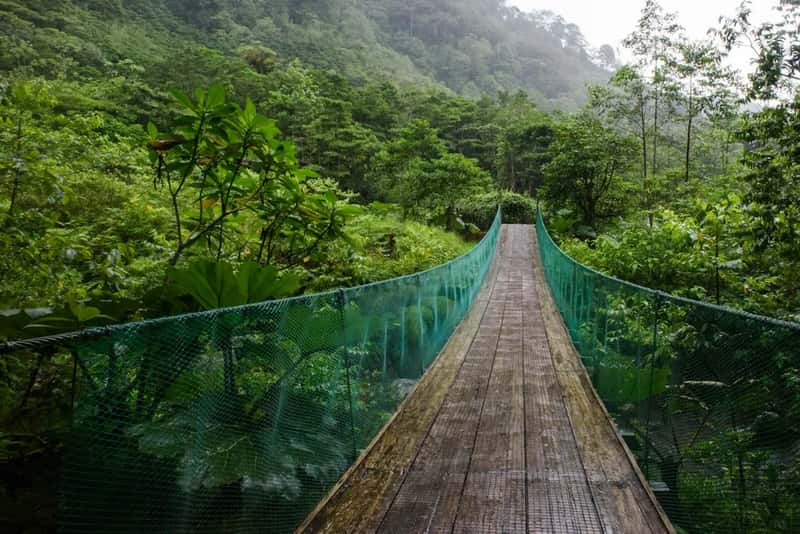
Costa Rica proves that a break doesn’t have to be cold or minimalist. In 2026 it reached fourth place in the World Happiness Report, the highest rank ever for a Latin American country.[7] The BBC noted it had climbed from 23rd place in 2023.[14]
The landscape backs up the mood. The country holds nearly six percent of the world’s biodiversity.[15] Roughly a quarter of its land is protected, though sources differ slightly on the exact share.[15] Corcovado National Park on the Osa Peninsula is the country’s largest park and covers nearly half of that peninsula.[16] The famous spots can get busy, so heading for the quieter corners is the best way to find real peace.
Palau: A Pacific Island Nation Built Around Conservation
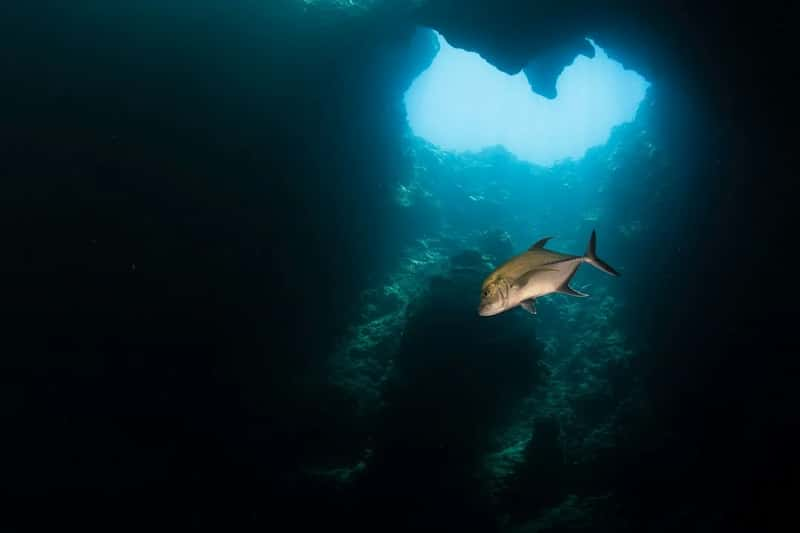
Palau is a small archipelago in the western Pacific known for jellyfish lakes, coral reefs and limestone islands covered in forest. Getting there takes effort, and that distance is part of the appeal. Days here tend to revolve around the water, whether you dive, snorkel or paddle through the Rock Islands.
The country has put conservation at the center of its visitor experience. Since 2017, arriving visitors have been asked to sign the Palau Pledge, a promise to act responsibly that is stamped into their passports. Palau has also protected a large share of its ocean waters as a national marine sanctuary. It suits travelers who want to disconnect and are happy to follow local rules to protect the place.
Norway: Fjords, Cabins And The Right To Roam
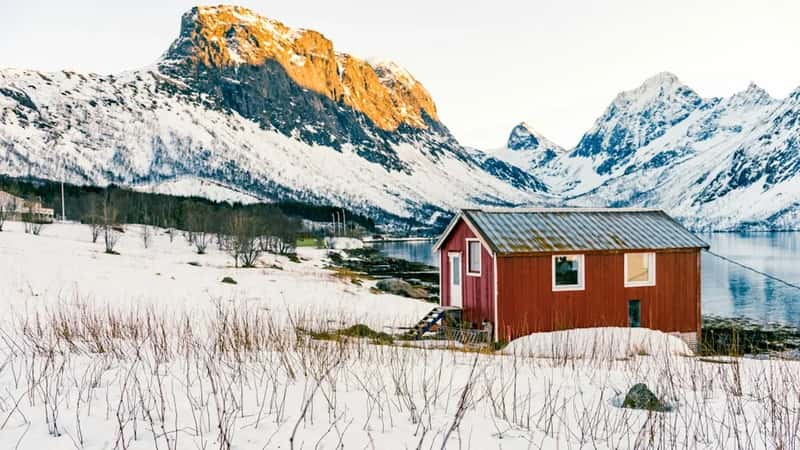
Norway offers one of the easiest forms of escape in Europe, a quiet cabin with a view. It sits in the top six of the 2026 World Happiness Report, alongside the rest of the Nordic bloc.[7] Cabin culture is a big part of how Norwegians relax, and visitors can rent one almost anywhere.
The country’s tradition of public access to nature, known as allemannsretten, lets people walk, camp and swim on much uncultivated land, within sensible limits. Fjords, mountain plateaus and the Lofoten Islands are the classic settings. Prices are high, so plan on self-catering and slower itineraries. Fewer stops with longer stays suit this country best.
New Zealand: Space To Walk, Sail And Stargaze
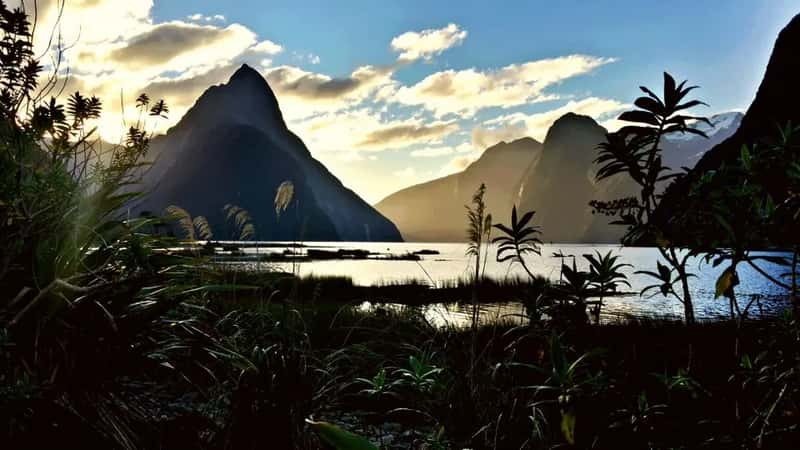
New Zealand rewards travelers who like to move slowly through big scenery. The country has a network of multi-day hiking trails called the Great Walks, run by its Department of Conservation, with huts and campsites along the way. Fiordland, with its steep valleys and misty sounds, is especially good for a quiet few days.
It’s also a strong choice for night skies. Stewart Island, known as Rakiura, has been recognized as an International Dark Sky Sanctuary. The country is far from almost everywhere, so it works best for a longer trip. Book huts and popular tracks well ahead, because the best-known routes fill up.
Mongolia: Endless Steppe And Very Few People
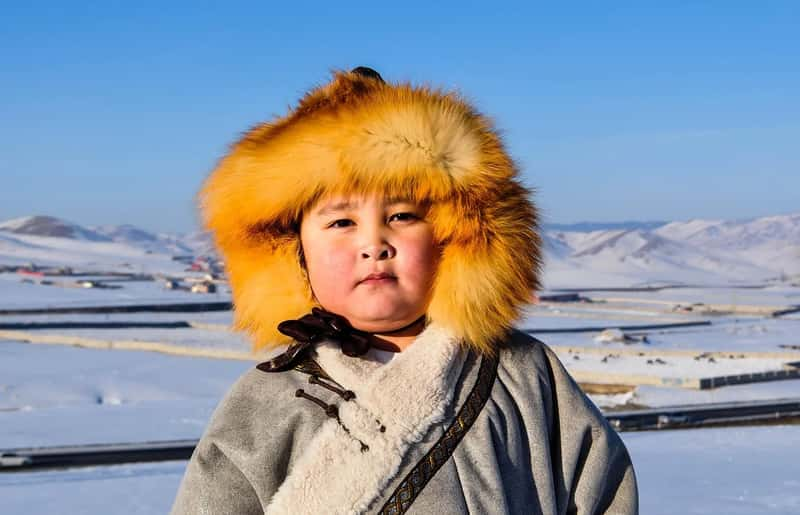
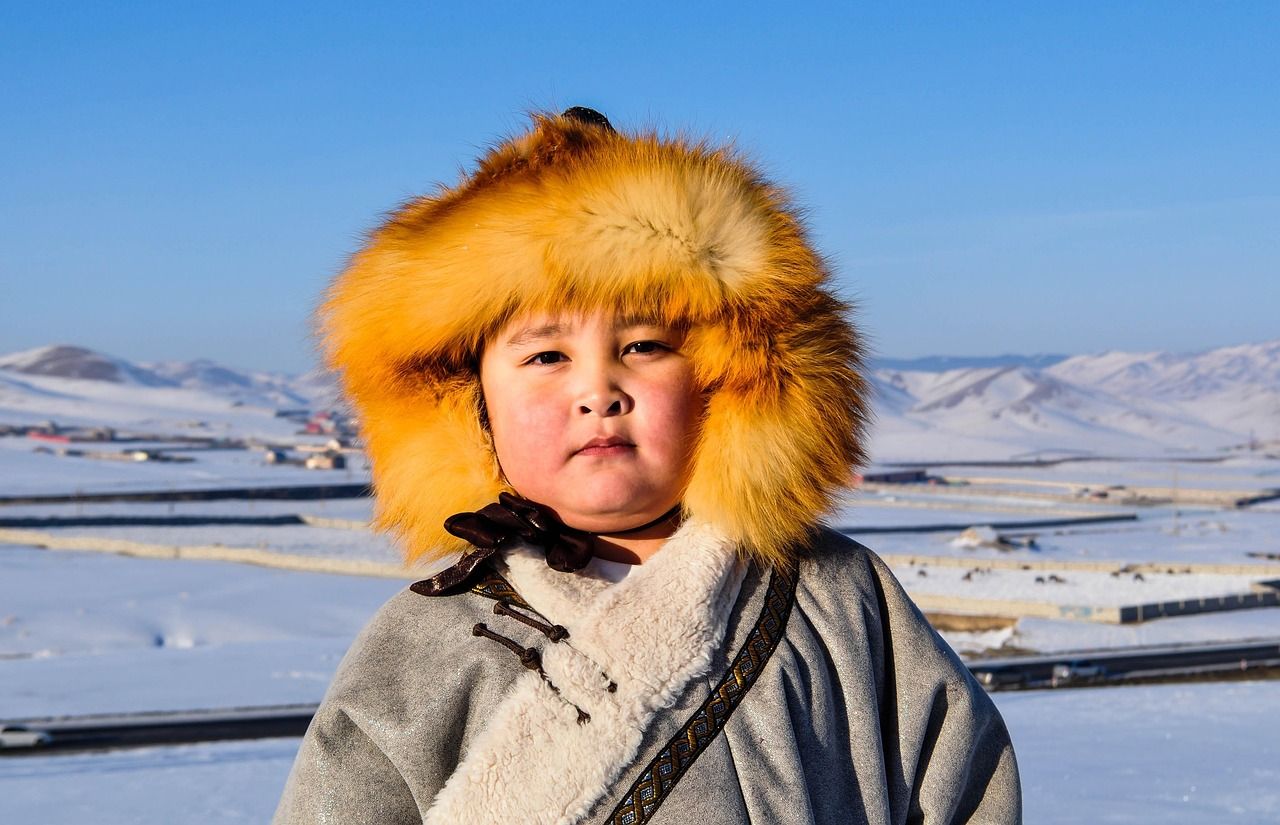
Mongolia is one of the least densely populated countries in the world, and the emptiness is the main event. Grasslands, desert and mountains stretch for hundreds of kilometers with few fences or buildings. Many visitors stay in traditional felt tents called gers, which are simple and quiet.
Comfort levels are modest and distances are long, so this isn’t a spa break. Roads can be rough, and many travelers hire a driver or join an organized trip. In return, you get big skies and a sense of scale that’s hard to find elsewhere. Summer is the usual season, since winters are extremely cold.
Namibia: Desert Silence And Dark Skies
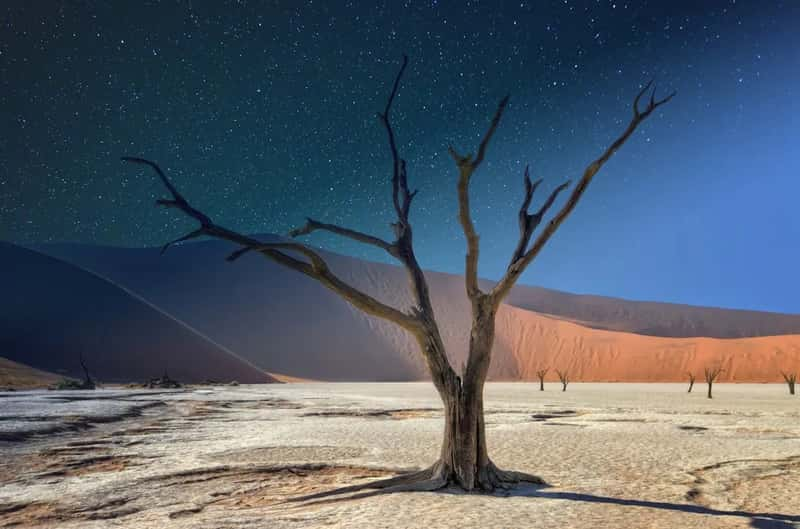
Namibia is another country with remarkably few people for its size. It’s among the most sparsely populated places on Earth, and the landscapes show it. Red dunes, dry riverbeds and rocky plains stretch to the horizon, and you can drive for long periods without seeing another car.
The desert is famous for its stars. The NamibRand Nature Reserve holds International Dark Sky Reserve status, which suits anyone who wants to look up rather than at a screen. Many visitors self-drive between lodges, so plan fuel and distances carefully. Go in the cooler, drier months for the most comfortable days.
Choosing Your Escape
The right country depends on what you’re trying to leave behind. Bhutan and Palau limit or shape visitors on purpose, while Finland, Iceland and Norway build rest into everyday life. Mongolia and Namibia offer sheer emptiness, and Slovenia and Costa Rica combine easy logistics with plenty of nature.
Whichever you pick, give the trip enough time and fewer stops. A reset comes from staying put, not from covering more ground. Leave the schedule loose, and the quiet will do the rest.