A rare early-season storm has disrupted travel from the Carolinas to New England over the past several days. More than 40 million people were expected to feel its impact through Sunday.[1] Flooded streets, downed trees, cancelled flights and stalled trains have made getting around difficult in a lot of places.
The worst of the storm has passed, and conditions are improving. Still, the cleanup and some travel problems are continuing. This update covers what happened, what it did to transportation and power, and how to approach travel in the days ahead.
A Rare September Storm Takes Shape
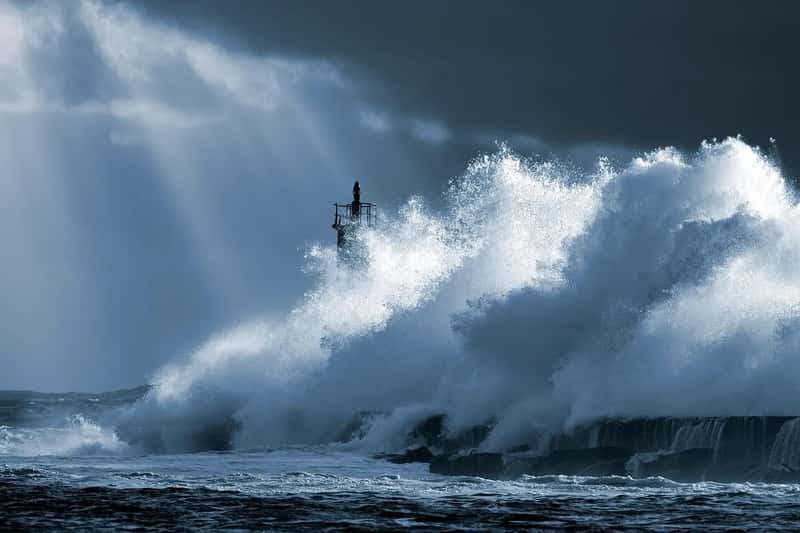
Nor’easters usually belong to late fall and winter. According to the Boston Globe, only about 1 percent of nor’easters on record have developed in September.[2] This system started as a frontal low-pressure system on September 23 and meandered off the East Coast before strengthening as it neared the Northeast.[2]
Forecasters were clear that this wasn’t a snow event. WeatherBug’s forecast called for heavy rain, persistent northeast winds, dangerous surf, beach erosion and several rounds of coastal flooding.[3] Some forecasters compared the scale of expected coastal flooding to Hurricane Sandy, Irene, Bob and Gloria.[2]
Coastal Flooding From the Carolinas to New England
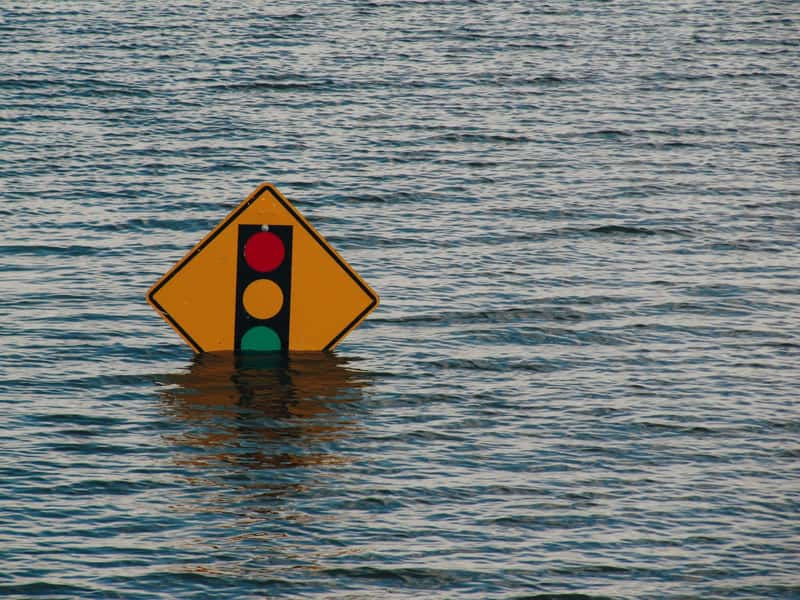
Flooding was the main hazard, and it spread across a huge stretch of shoreline. Waves crashed over seawalls and boardwalks as the storm pushed Atlantic waters into communities from Massachusetts to Virginia.[4] In Maryland, New Jersey and New York, sandbags lined storefronts and weekend festivals were canceled.[4]
Timing made things worse. A full moon on Saturday raised tides, which aggravated the coastal flooding.[5] New York Gov. Kathy Hochul said coastal flooding was the biggest threat, with waves as high as 20 feet possible.[6]
Atlantic City and the Jersey Shore Take a Beating
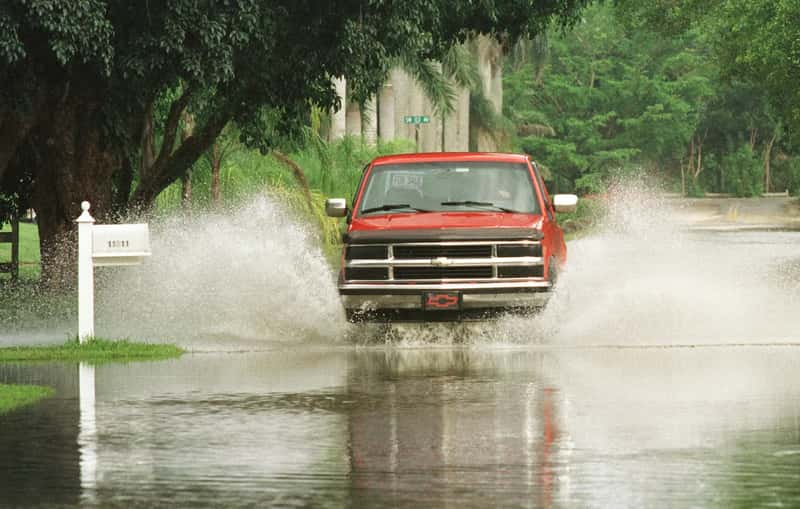
New Jersey sat near the center of the storm’s track. Forecasters said the slow-moving system would linger near the New Jersey coast before gradually moving northeast, which prolonged the threat of flooding and erosion.[7] Neighborhoods along the Jersey Shore saw significant flooding.[8]
One number stands out. Water levels in Atlantic City surged to their highest point since Superstorm Sandy on Saturday.[8] MetLife Stadium in East Rutherford also postponed AC/DC’s Friday concert until October 2.[9]
Power Outages and Falling Trees
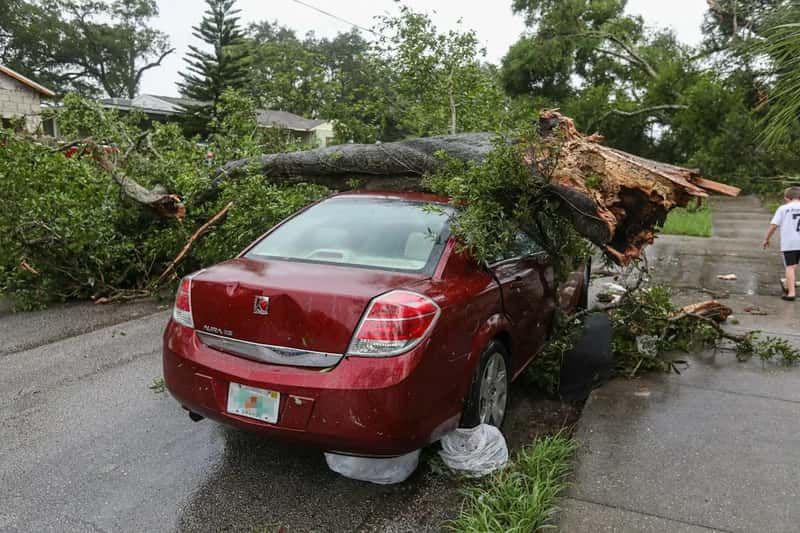
Wind caused trouble well inland from the water. Gusts above 50 miles per hour were reported in several places Saturday, and Nantucket recorded a 62-mph gust.[7] Forecasters warned that downed limbs combined with saturated ground could cause outages and leave debris on roads.[6]
The outage numbers moved up and down as crews worked. PowerOutage.us showed well over 100,000 customers without power across the Northeast and mid-Atlantic at times on Sunday.[10] Wikipedia’s running summary put the total above 200,000 people by September 28.[2] The two figures measure different things, so treat them as rough guides rather than a single official count.
The Outer Banks Cut Off
The most serious access problem was in North Carolina. Officials declared a state of emergency on the island Saturday after access to Highway 12 was lost, leaving no access to or from the island.[8] Dare County’s declaration covered Hatteras Island after the beachfront roadway sustained severe damage.[14]
Emergency ferries became the lifeline. North Carolina activated an emergency ferry service connecting the mainland to Hatteras Island, where residents were stuck.[8] With limited ferry space, officials warned travelers to expect long lines and significant delays.[8] State transportation crews were still working to repair the battered section of N.C. 12 on Pea Island.[14]
What Travelers Should Do Now

Conditions are improving, but it’s wise to verify before you leave. Fox Weather advised travelers to check directly with their airline for the latest flight status before heading to the airport.[12] Gothamist similarly told commuters to check for closures, cancellations or delays before heading out.[13]
If you’re headed to coastal areas, plan for lingering issues. Erosion, debris and repair work can affect roads and beaches even after the water recedes. Anyone heading to the Outer Banks should keep in mind that access to the island was limited to residents and essential visitors.[8] Check current local guidance before making that trip.