Ever wondered what it would be like to hold not one, but two passports? Maybe even three. The world has quietly shifted its stance on dual citizenship over the past few decades. What was once seen as almost a betrayal, a form of divided loyalty, is now embraced by the majority of nations worldwide.
The following countries stand out as some of the top choices for obtaining dual citizenship. Some offer it based on ancestry, others through investment, and a few require nothing more than a few years of residency.
Portugal: Your Gateway to Europe

Portugal has become a darling of the investment migration world, and with good reason. Yes, Portugal allows for dual citizenship. What makes it appealing is not just the weather or the cuisine, though both are excellent. Benefits include the right to live, work, and study in Portugal, visa-free travel within the Schengen Area, and eligibility for Portuguese citizenship after five years.
Foreign nationals who move to Portugal can apply for citizenship after 5 years of legal residence, and they are not required to give up their original nationality. Let’s be real, that’s a relatively short timeline compared to many other European nations. The Golden Visa offers much greater flexibility than most other residence permits, like the D7 or Digital Nomad Visa, which require at least eight months of residency per year. In contrast, Golden Visa holders are only required to spend seven days per year in Portugal, making it one of the easiest pathways to EU citizenship without full-time relocation. Seven days a year. Think about that. You could maintain your life elsewhere while building a European future.
Ireland: Embrace Your Roots

For anyone with even a hint of Irish ancestry, this one’s a gift. Ireland does allow dual citizenship. This means that as a foreign citizen is able to apply for Irish citizenship through birth, descent or naturalisation (as long as they are eligible) and still manage to retain any previous citizenships. Ireland’s program is particularly generous when it comes to citizenship by descent.
Irish citizenship by descent has a two-generation limit, meaning individuals born outside Ireland may qualify for Irish citizenship if one of their parents or grandparents was born in Ireland or a parent was an Irish citizen at the time of their birth. As of 2026, an Irish passport allows you to travel visa-free or obtain a visa upon arrival to 191 destinations. Plus, as an Irish citizen, you gain automatic access to live and work anywhere in the European Union. Because nearly 10% of America’s citizens can claim Irish heritage, getting an Irish passport is a popular route to dual citizenship for many Americans.
Italy: La Dolce Vita With Paperwork

Yes, Italy allows dual citizenship. Italian citizens can hold multiple nationalities without losing their Italian citizenship. If you’ve got Italian blood running through your veins, you’re in luck. Italy offers an easy pathway to citizenship for people whose ancestors were born there.
However, the rules can be strict. Male ancestors can pass on citizenship with few limitations. However, to qualify for citizenship through a female ancestor, the applicant must have been born after January 1, 1948, when the Italian constitution entered into force. There are also geographic quirks. Additional limitations exist for ancestors born in Trentino Alto-Adige, Venezia-Giulia, and Veneto. In those regions, you can only obtain citizenship through ancestry if your ancestor left Italy after July 16, 1920. This is because, before this date, any ancestor from these regions would’ve been considered citizens of the Austro-Hungarian Empire, not Italian. It’s complicated, but for many, it’s worth the effort.
Canada: The Welcoming Neighbor

The United States, Canada, the United Kingdom, and a lot of Caribbean countries allow second citizenship. Canada has long been recognized for its progressive stance on dual nationality. Some nations, such as the UK and Canada, freely allow multiple citizenships without restrictions on rights such as voting, freedom of movement and running for political office.
What sets Canada apart is not just the permission but the ease. Naturalization typically requires three years of physical presence within a five-year period. The country also offers pathways through skilled worker programs, family sponsorship, and refugee status. For Americans specifically, it represents a culturally similar yet legally distinct option, which many find reassuring in uncertain times.
Dominica and the Caribbean: Fast-Track Citizenship

Vanuatu and Dominica offer some of the easiest and fastest dual citizenships through investment. These small island nations have turned citizenship into a revenue stream, and they’ve made it remarkably accessible. Through the Dominica Citizenship by Investment Program (CBI), you can obtain citizenship by either making a minimum contribution of $200,000 to the Economic Diversification Fund or by purchasing real estate valued at a minimum of USD 200,000. Keep in mind that real estate transactions under this program require you to pay government fees, which start at around $75,000 for the main applicant.
Some of the best dual citizenship countries include St Kitts and Nevis, Dominica, Antigua and Barbuda, and Malta due to their favourable laws and strong passport benefits. Honestly, these programs are transactional. You pay, you wait a few months, and you get a passport. There’s no pretense about cultural integration or language proficiency. It’s straightforward.
Germany: A Recent Convert

Germany is a fascinating case. For decades, the country resisted dual citizenship fiercely. As of June 27, 2024, an Act to modernize the Nationality Act (StARModG) provides that Germany now accepts dual citizenship in all cases. German citizens no longer lose their citizenship if they acquire a foreign one and foreigners who choose to become German are no longer required to give up ties to their home country.
Citizenship by naturalisation is granted after 5 years of legal residence, or 3 years in special integration cases. Applicants must hold a permanent residence permit, pass a citizenship test, prove German language proficiency at a B1 level, and show economic self-sufficiency. Germany’s economic power and EU membership make this newly accessible dual citizenship option particularly attractive for those seeking stability and opportunity in the heart of Europe.
China: A Hard No

Now let’s flip the coin. Not every nation welcomes multiple allegiances. Notable examples include China, India, and Singapore. China fully bans dual citizenship, citing the importance of loyalty and safeguarding national unity.
Bhutan, Oman, Malaysia, and China forbid dual citizenship. China’s stance is absolute. If you acquire another citizenship, you automatically forfeit your Chinese nationality. China, India, and Japan do not recognise it, meaning individuals must choose only one. There are no exceptions, no loopholes. For a nation with one of the world’s largest diasporas, it’s a firm line in the sand.
India: Legal Clarity Over Flexibility

India disallows it to maintain legal and administrative clarity, offering Overseas Citizenship of India (OCI) status instead, which grants limited privileges without full citizenship. The OCI card gives you some benefits, like lifelong visa-free entry and work rights, but you’re not an Indian citizen. You can’t vote, hold certain government jobs, or buy agricultural land.
In the Congo, Djibouti, Cuba, Ethiopia, Haiti, India, Indonesia, Iran, Japan, Kuwait, Kazakhstan, Monaco, Singapore, Oman, Qatar, Saudi Arabia, Nepal, Mozambique, and Zimbabwe, one automatically loses citizenship upon acquisition of citizenship of another country. It’s automatic. No questions asked. India’s position stems from concerns about divided loyalties and administrative complexity.
Japan: Tradition Meets Technicality

In theory, Japan gives those with dual citizenship by birth until the age of 22 to decide which nationality to keep and which to give up, as long as they have acquired dual citizenship legally. If they do not, the law states that the Minister of Justice can “warn” the person to make a choice within one month, or lose Japanese citizenship.
Here’s the thing. An article from the Japanese Times stated that of a survey of 1449 people with dual nationalities, 76.8% retained their dual citizenship, while only 23.2% decided to forfeit one. So enforcement is, let’s say, inconsistent. Japan officially rejects dual citizenship, but the reality on the ground is murkier than the law suggests.
Singapore: One Passport, One Loyalty

Singapore upholds a firm one-citizenship rule, stressing national allegiance and requiring proof of renunciation of other citizenships before granting naturalization. Countries that have outright banned multiple citizenships include Japan, Austria, China, Saudi Arabia (except Saudi women who marry foreign citizens), Singapore, Malaysia and Qatar.
Singapore is a prosperous, stable nation with a powerful passport. As the world’s fourth leading financial center, Singapore’s passport will not only earn you visa-free travel to over 150 countries, citizens will also benefit from a diverse culture that plays an important role in global finance and trade. Yet despite its global outlook, it demands singular allegiance. The trade-off is clear: access to one of Asia’s most dynamic economies, but only if you’re willing to give up your other ties.
Conclusion
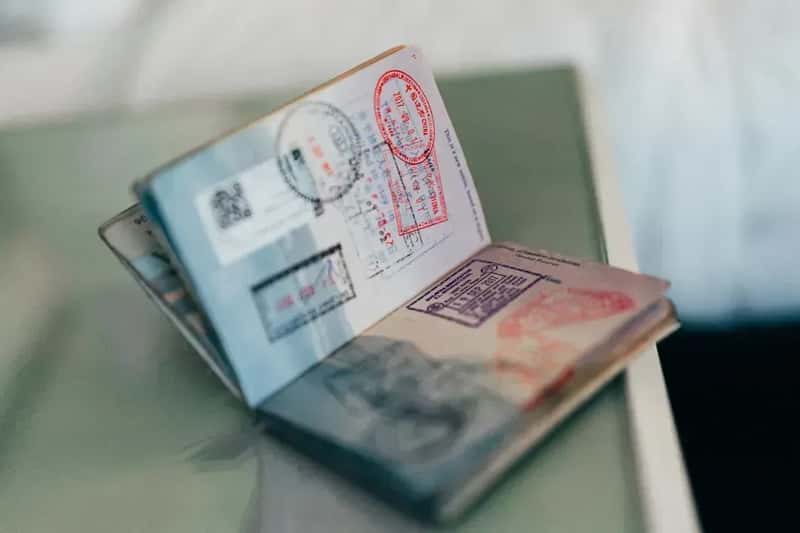
The landscape of dual citizenship is shifting rapidly. What was taboo a generation ago is now mainstream. In fact, back in 1960, just one-third of countries allowed dual citizenships compared with 75% in 2019. “The number of countries allowing dual citizenship is increasing every year.” This trend shows no signs of reversing.
Whether you’re drawn to the historical ties of Ireland or Italy, the investment pathways in Portugal and the Caribbean, or the recent openness of Germany, dual citizenship offers flexibility, opportunity, and a safety net in an unpredictable world. On the flip side, countries like China, India, Japan, and Singapore remind us that not every nation sees multiple passports as compatible with loyalty and identity. It’s hard to say for sure where this will all lead, but one thing’s certain: the era of singular national identity is fading fast.
What’s your take? Would you pursue a second passport if you could? Tell us in the comments.