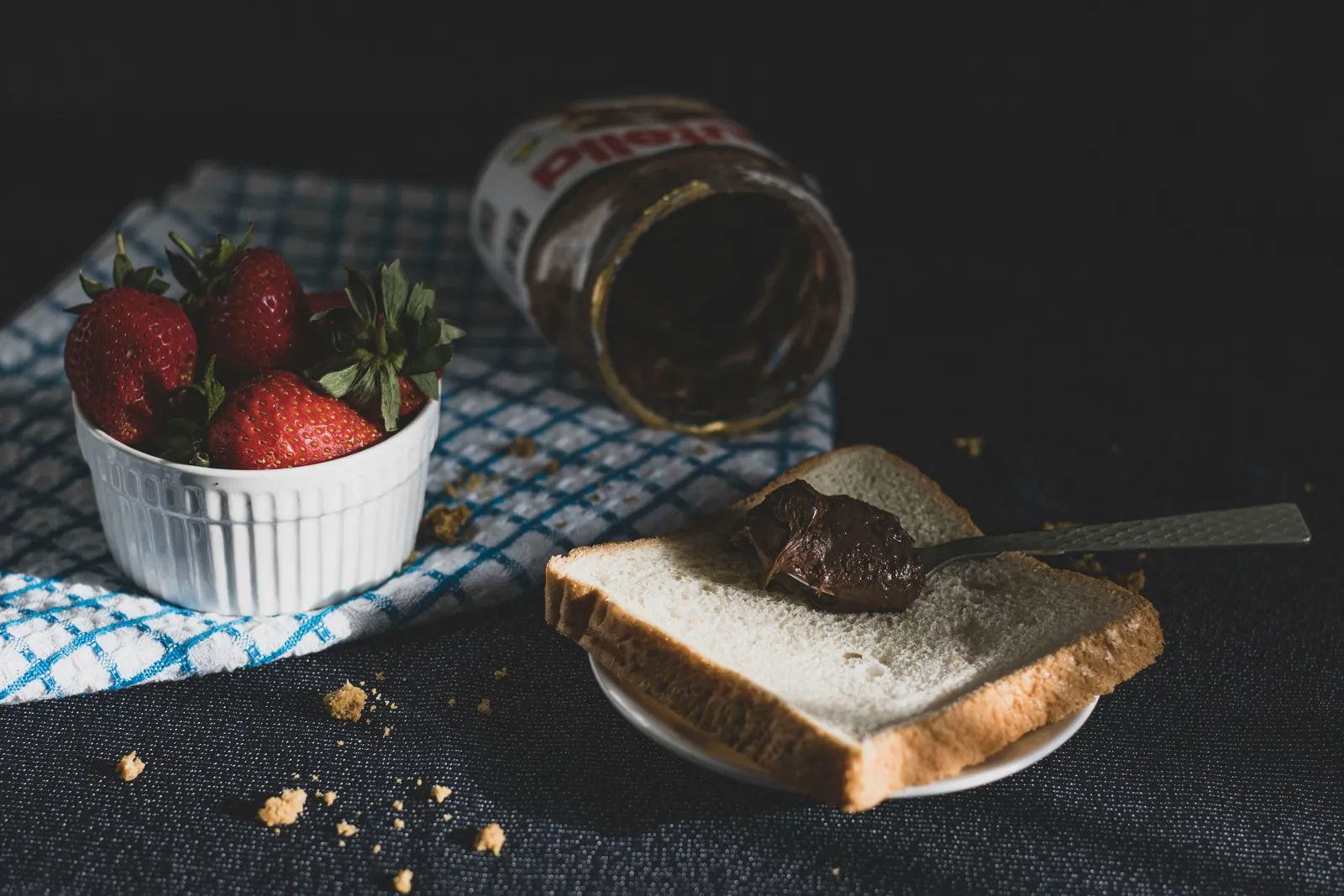
Many households keep a jar of Nutella on hand for months, sometimes longer than intended. The maker, Ferrero, states that the spread maintains a 12-month shelf life even after the jar is opened, so the best-by date printed on the container remains the key reference point. ([1])This guidance surprises some consumers who assume opening the jar starts a shorter countdown.
The Core Guidance From Ferrero
Ferrero’s food service materials indicate that Nutella holds its full 12-month shelf life whether the jar stays sealed or has been opened. The company directs users to store the product at room temperature with the lid secured tightly. Opening the container does not trigger any separate, shorter timeline according to the manufacturer. This approach stems from the spread’s composition. Nutella contains mostly sugar and fat with very little water, which limits the conditions that allow most microbes to grow. The absence of artificial preservatives or colors does not shorten the stated period because the low moisture content already provides natural stability.
How the Product Changes Over Time
Flavor can gradually fade as the fats oxidize, even when the jar remains within its date. An older jar may taste flatter or eventually develop a rancid note if left too long. The best-by date signals peak quality rather than an abrupt safety cutoff, consistent with general USDA guidance on such labels. A thin layer of oil sometimes appears on the surface, especially in warmer conditions. This separation is normal and can be corrected by stirring the contents thoroughly. Texture may also firm up if the jar sits in a cooler spot, but returning it to a standard room temperature range restores the usual spreadable consistency.
When to Discard the Jar
Visible mold or a rancid, sour, or off odor signals that the product should be thrown out. These signs indicate either contamination or advanced fat oxidation. Consumers are advised against tasting the spread to test it when either issue appears. Oil separation or a firmer texture in cooler rooms does not count as spoilage. Those changes reverse with stirring or warming and do not affect safety. A jar that smells normal but feels dry or gritty after proper warming and mixing has simply passed its best quality point.
Recommended Storage Practices
Keep the jar between 64 and 75 degrees Fahrenheit in a cool, dry location away from direct heat or sunlight. The lid should remain tightly closed between uses to preserve flavor. Refrigeration is not recommended because the spread hardens and becomes difficult to spread. A clean, dry utensil helps prevent the introduction of moisture or crumbs that could encourage mold. Excessive warmth accelerates flavor loss and may increase the chance of oil separation, so placement matters in a typical kitchen.
| Storage Stage | Guidance |
|---|---|
| Unopened, pantry | Follow the printed best-by date; 12-month shelf life applies. |
| Opened, pantry | Same printed date; lid kept tight at room temperature. |
| Refrigerated | Not advised; hardens and loses spreadability. |
Practical Takeaways for Everyday Use
Most households finish a jar well before the date becomes an issue. The product works well on toast, in baked goods, or as a simple dessert component. When in doubt about an older jar, the visual and smell checks provide the clearest signals. Ferrero’s position removes much of the guesswork for consumers who wonder whether an open jar needs special handling. The 12-month window after opening aligns with the date already on the label, provided proper storage conditions are met.