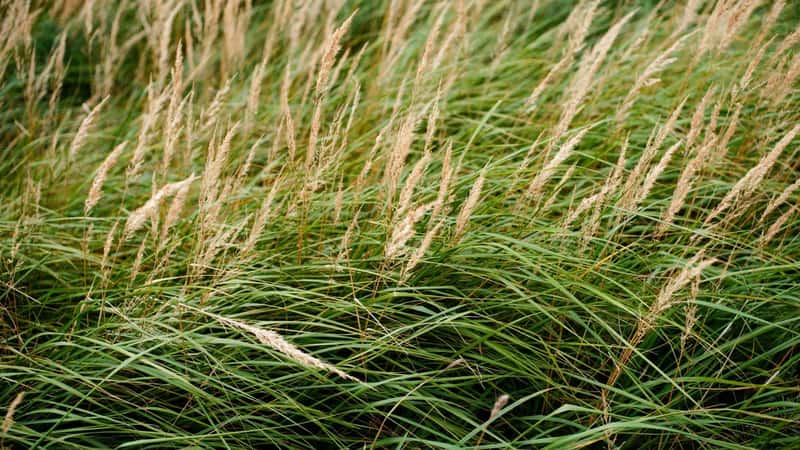
Restoring Hope: NYC Students Help Build Coastal Resilience for Climate Impacts – Image for illustrative purposes only (Image credits: Unsplash)
Coney Island, Brooklyn – Hundreds of New York City public school students returned to Coney Island Creek Park this month to continue a multi-year effort aimed at stabilizing the shoreline of Brooklyn’s last urban estuary. The 8.5-acre site serves more than 50,000 visitors each year for recreation, yet it has lost much of the natural marsh and dune systems that once buffered the area against storms. The work focuses on planting native American beachgrass to rebuild protective dunes and reduce the movement of sand into streets and homes.
Longstanding Flood Exposure
Coney Island’s geography as a low-lying peninsula has left it exposed to repeated flooding. Superstorm Sandy in 2012 produced backdoor flooding from the creek that reached 10 to 11 feet, damaging homes with saltwater and sewage. Combined sewer systems now replace the wetlands that once absorbed storm surge, and sea levels are projected to rise substantially by 2100. Inland flooding on major roads has already become more frequent, interrupting daily life for residents. Without additional natural barriers, sand from bare dunes continues to create hazards by drifting into storm drains and nearby properties.
Scale of the 2026 Planting Effort
The National Wildlife Federation’s Resilient Schools and Communities program coordinated the latest planting on June 3. Roughly 600 students and teachers from 23 public schools joined about 70 community volunteers. Together they installed 40,000 American beachgrass plants, bringing the total installed through the program since 2022 to more than 100,000. The effort builds on smaller plantings that began in 2022 with 80 students from five schools. Partners include NYC Parks and the American Littoral Society, with corporate support from Allied World and Con Edison.
Ecological Role of the Beachgrass
American beachgrass develops dense root and rhizome networks that anchor sand and help form dunes capable of withstanding strong waves. These structures also create habitat for birds, small mammals, crustaceans, and pollinators that use the park. Federal emergency management guidance notes that primary frontal dunes often serve as the first line of defense against coastal flooding. A new collaboration with plant biologists at Brooklyn College will monitor plant health and measure how effectively the restored areas reduce flood impacts for the surrounding community.
Key elements of the restoration
- 40,000 plants installed in the most recent effort
- More than 100,000 plants placed since 2022
- 23 schools and 600 students participating this year
- Focus on dune stabilization and wildlife habitat
The Resilient Schools and Communities program marks its tenth year of pairing classroom learning with field projects that emphasize practical climate solutions. Teachers receive supporting curricula to continue the discussion back in school. Continued monitoring will show how well the new plantings perform over time.