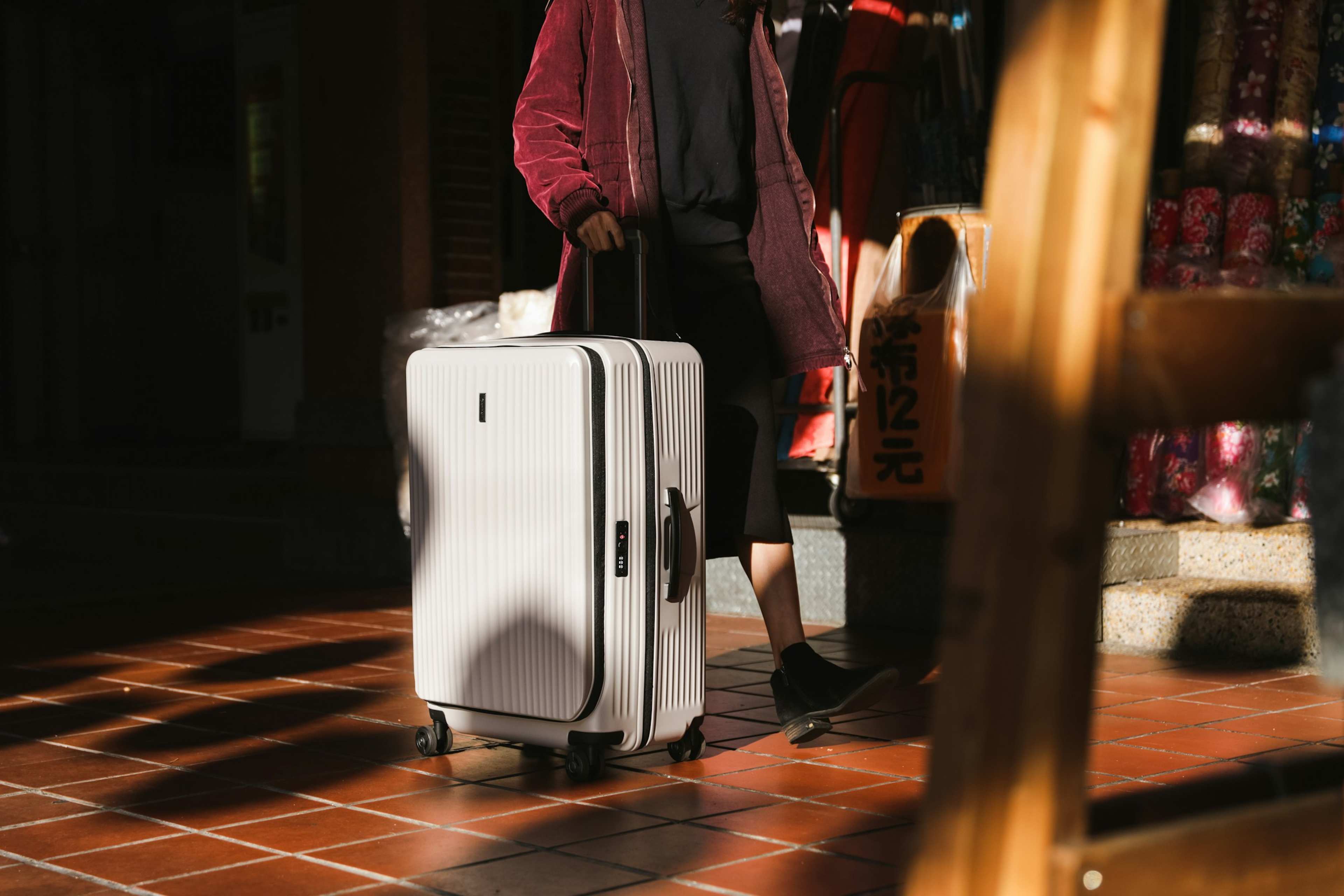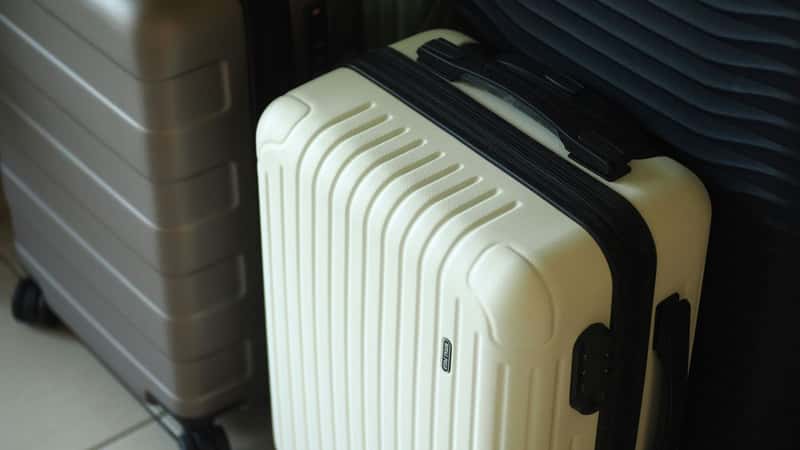
How To Pack Like A Pro: The Ultimate Carry-On Guide – Image for illustrative purposes only (Image credits: Unsplash)
Checked baggage fees continue to frustrate travelers who prefer to keep costs predictable and lines short. A focused packing method changes the equation for many. It centers on one space-saving technique that fits clothing, toiletries, and daily items into a single carry-on bag without overflow.
The Cost of Extra Bags
Airlines charge for checked luggage on most domestic routes, and those fees add up quickly for families or frequent flyers. Overhead bin space remains limited on full flights, which creates another practical reason to travel lighter. Travelers who master efficient packing avoid both the expense and the risk of lost bags.
The shift starts with recognizing how much volume standard folding wastes. Clothes stacked flat leave gaps that compress poorly under pressure. A different approach turns that wasted space into usable room.
The Rolling Method at Work
Rolling garments tightly instead of folding them reduces wrinkles and creates compact cylinders that stack neatly. The technique works especially well for shirts, pants, and underwear made from wrinkle-resistant fabrics. Socks and smaller items tuck into the center of each roll for added organization.
Users report that the method frees enough room for shoes along the sides or bottom of the bag. A carry-on with a structured frame holds the rolls in place during transit. The result is a bag that stays under airline size limits while containing a full week of clothing for many destinations.
Selecting the Right Carry-On
Not every bag performs equally under this system. Look for models with smooth-rolling wheels, a sturdy handle, and interior compression straps that secure the rolled items. Lightweight shells made from durable fabric or hard-sided polycarbonate add minimal weight before packing begins.
Features such as a built-in USB port or expandable sections can help, yet the core requirement remains consistent capacity without excess bulk. Testing the bag empty first confirms it meets carry-on rules at the gate.
Putting It Into Practice
Start by laying out everything needed for the trip and removing duplicates. Roll each clothing item, then place heavier rolls at the bottom. Fill gaps with smaller rolled pieces or travel-sized toiletries in clear bags for security screening.
Many travelers add a packing cube or two for further compression, though the rolling step alone delivers most of the space gain. The finished bag stays balanced and easy to lift into the bin.
Over time, the habit reduces packing time and eliminates last-minute decisions about what to leave behind. Travelers who adopt the approach often find they return home with the same single bag they left with, fees avoided and belongings intact.