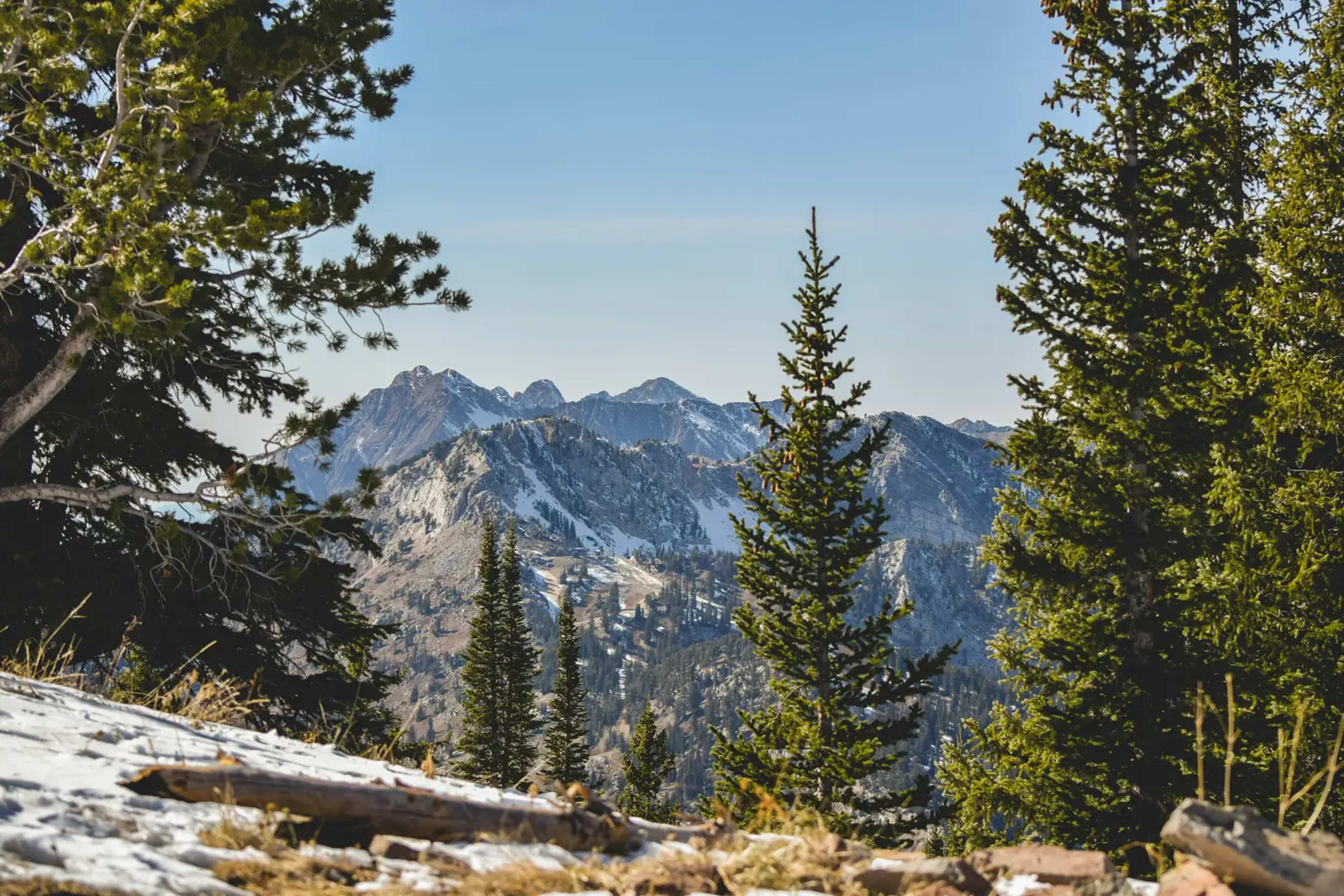
One mountain lion changed the food web in a California suburb, study finds – Image for illustrative purposes only (Image credits: Unsplash)
California’s San Francisco Bay Area – A single mountain lion that settled into a small preserve near Stanford University around 2012 set off measurable shifts through the surrounding food web. Researchers tracked the changes with nearly a decade of camera-trap records at Jasper Ridge Biological Preserve, a compact 4.9-square-kilometer patch of oak woodland and grassland hemmed in by roads and homes. The findings, published in Ecology and Evolution, show how an apex predator can influence multiple species even in a developed suburban setting.
A Compact Preserve Under Close Watch
Jasper Ridge sits within easy reach of Stanford yet remains isolated enough to support native wildlife. Camera traps operated continuously for nine years, capturing activity patterns before and after mountain lion visits increased. The data offered a rare before-and-after view of how one large carnivore altered daily rhythms across several species. Because the preserve is small and surrounded by human infrastructure, any detected changes stood out clearly against the background of roads and neighborhoods.
Shifts in Timing and Territory
Coyotes and mule deer reduced their nighttime movements once mountain lion activity rose. Gray foxes moved into spaces that coyotes appeared to vacate. Brush rabbits shifted more of their activity into morning hours. These adjustments occurred alongside a striking increase in woody plant cover, which rose 64-fold across 17 years of monitoring. The pattern matches the definition of a trophic cascade, in which the presence of a top predator ripples downward through prey and plants alike.
- Coyotes and deer became less active after dark.
- Gray foxes expanded into newly available niches.
- Brush rabbits increased morning foraging.
- Woody vegetation density increased sharply.
Comparison With Larger Protected Areas
The best-known trophic cascade in North America followed the 1995-1996 reintroduction of wolves to Yellowstone National Park. There, reduced elk browsing allowed willow and aspen stands to recover. At Jasper Ridge the same basic mechanism appears to operate, yet the setting is far smaller and far closer to people. Lead author Chinmay Sonawane noted that the mountain lion changes “cascaded through the food web, from deer and coyotes down to foxes, rabbits, and woody plants.” The suburban context makes the result especially relevant to land managers working near cities.
What the Findings Leave Open
The study documents strong correlations rather than direct proof of every causal link. Continued monitoring will be needed to determine whether the plant recovery persists or whether other factors, such as changing rainfall, also play roles. Still, the results underscore that even modest patches of habitat can support meaningful ecological processes when large predators are present. For communities that border wildland edges, the work suggests that conserving space for mountain lions may deliver measurable benefits to local vegetation and smaller wildlife.