Some buildings do more than shelter people. They become shorthand for an entire country, recognizable in silhouette even to someone who has never left their hometown. A single photograph, cropped tight enough to hide the skyline around it, can still tell you exactly where you are if you have spent enough time paying attention to the world.
That is the premise here. Five landmarks, five cities, and no captions to give it away outright. Anyone who travels often, reads widely, or simply pays attention to geography quizzes will recognize most of these on sight. The rest of us might need a little context, which is exactly what follows.
The Iron Lattice Tower That Redefined a Skyline
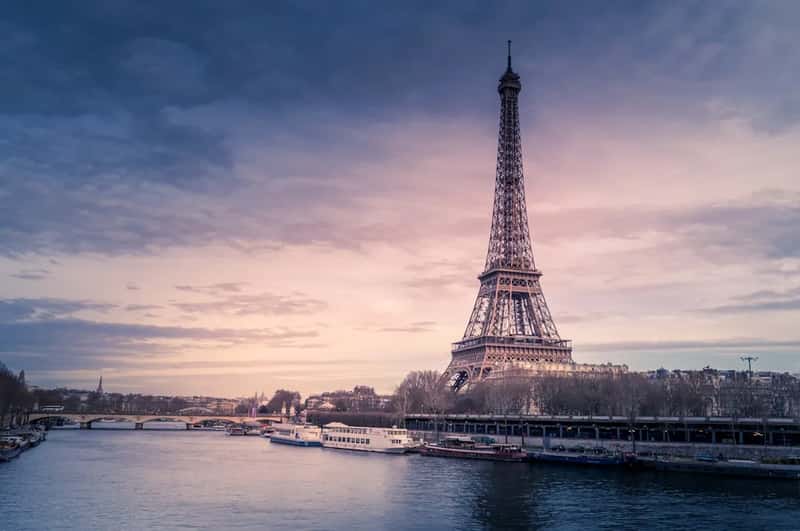
There is a reason this structure gets described as the most photographed monument on the planet, and it has less to do with its height than with how unlikely it once seemed. Built as a temporary structure for the 1889 Universal Exhibition in Paris, the tower has since grown into a global icon, attracting nearly 7 million visitors per year.[1] Critics in its own era were not kind about it either. The 19th-century icon that travelers romanticize today was described as monstrous and useless by writers and thinkers in 1887, among them Alexandre Dumas and Guy de Maupassant.[2]
The tower has never really stopped being maintained, which is part of why it still stands sharp against the Paris sky. Renovation and maintenance work is done on the top floor each year, resulting in its temporary closure to the public, and in 2026 that closure ran from January 5th to February 6th.[3] Beyond the annual upkeep, a much larger initiative has been underway since 2017. Paris announced a 300 million euro renovation of the tower back in 2017, a project designed to take fifteen years to complete while increasing security and reducing waiting times for visitors.[4] Anyone who has stood beneath its four legs at night, watching the hourly light show, understands why the city never considered letting it fade.
A Statue With Outstretched Arms Over the Bay
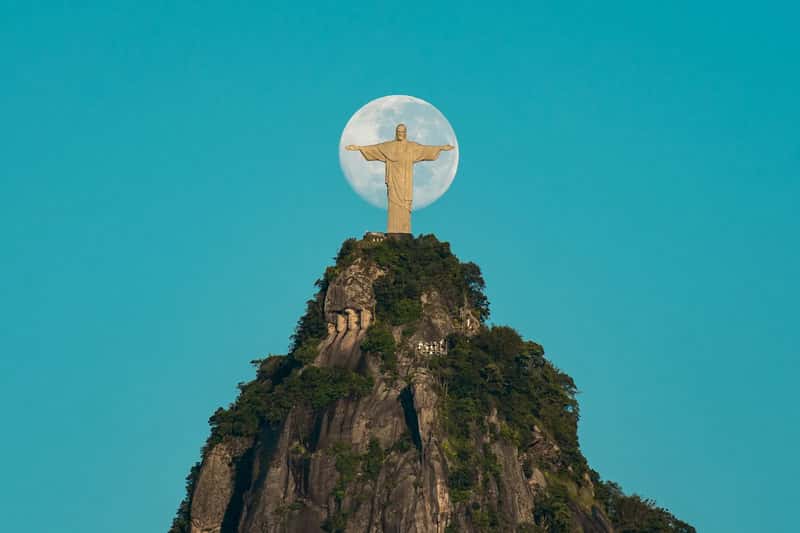
Perched above a city famous for its beaches and its mountains, this Art Deco figure has become something closer to a national emblem than a religious monument. Standing 30 metres tall, or 38 metres including its pedestal, it was dedicated on October 12, 1931, and later consecrated in 2006.[5] It also holds a title that places it among a very short list of global landmarks. It welcomes roughly 2.2 million visitors annually as one of the New Seven Wonders of the World, and its Art Deco design blends engineering achievement with spiritual symbolism as the city’s most recognizable landmark.[6]
Getting to the top is part of the experience, not just a formality. The Corcovado Railroad, the first electrified railroad in Brazil, was inaugurated in 1884 and is actually older than the statue itself.[7] The monument is now looking ahead to a major milestone. Sanctuary leaders recently unveiled a commemorative seal marking the countdown to the statue’s centenary, which will be celebrated on October 12, 2031.[8] Few landmarks manage to feel both ancient and freshly relevant at the same time, but this one does.
Sails Rising From the Harbor
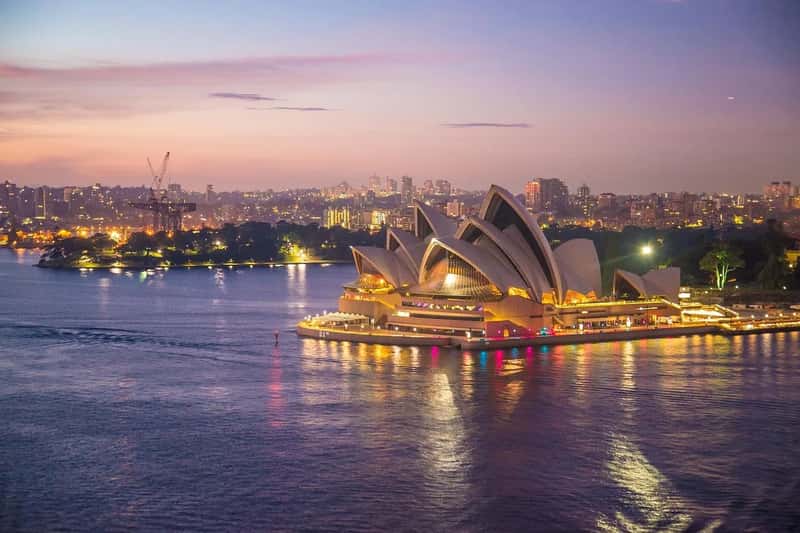
Few buildings have shaped how a city is drawn in cartoons and postcards quite like this one. Its curved, shell-like roof sections were an engineering puzzle when construction began in the late 1950s, and the design took over a decade longer to finish than originally planned. Danish architect Jørn Utzon won the international competition to design it, though he resigned from the project before its completion and never saw the finished building in person. It has since become a UNESCO World Heritage Site, recognized as one of the defining works of twentieth century architecture.
What makes it instantly identifiable is not just the shape but the setting. It sits directly on the harbor, ferries and sailboats passing close enough that photographs of the building almost always include the water. Inside, it functions as a working performance venue, hosting opera, ballet, and concerts across multiple halls rather than existing purely as a tourist attraction. That combination of function and form is part of why it remains one of the most recognized skylines in the Southern Hemisphere.
A White Marble Tomb Built From Grief
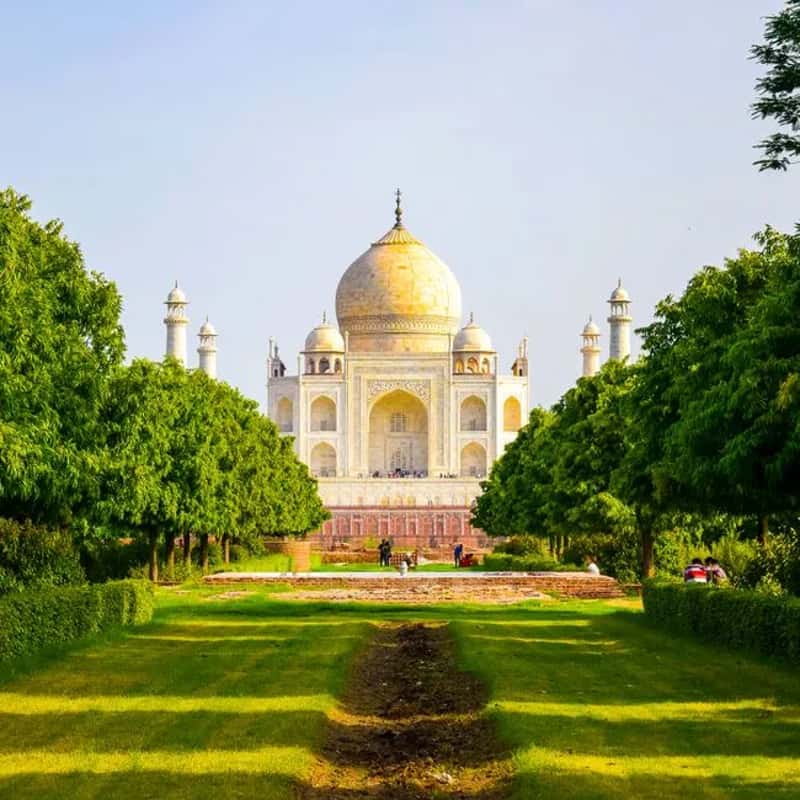
This landmark was never intended as a public attraction. It began as a mausoleum, commissioned by a Mughal emperor in the seventeenth century to honor his late wife, and the scale of the project reflected the depth of that loss. Construction reportedly took over two decades and involved thousands of artisans and craftsmen brought in from across the empire and beyond. The result is a building whose symmetry and white marble facade have made it a shorthand for architectural perfection in art history discussions ever since.
Its appearance changes noticeably depending on the light, something frequent visitors often mention. The marble can appear pinkish in early morning, blindingly white at midday, and almost golden at sunset, a quality of the stone rather than any artificial coloring. It sits along a river, with formal gardens laid out in front that follow strict geometric proportions typical of Mughal design. Today it remains a UNESCO World Heritage Site and one of the most visited monuments in South Asia.
Stone Blocks That Have Outlasted Empires
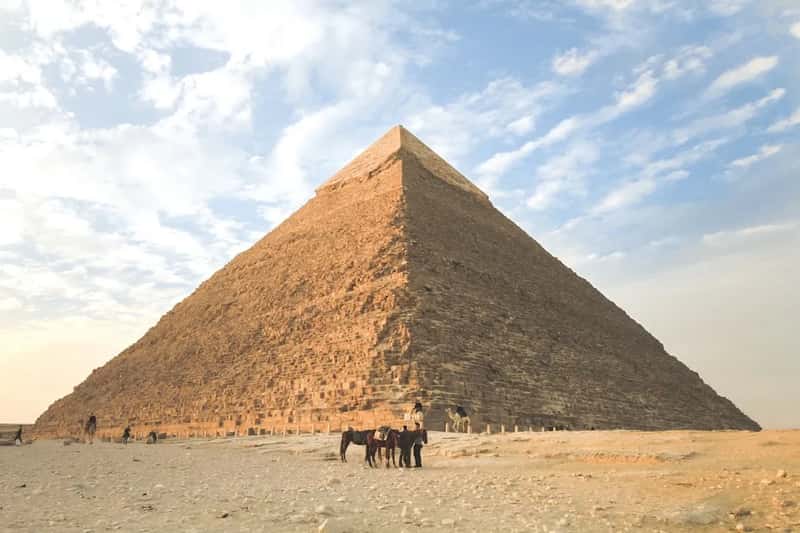
Few structures on this list carry the sheer weight of history in the literal sense. This pyramid complex, built as a royal tomb thousands of years ago, remains the only surviving structure among the ancient world’s original seven wonders. Its precise alignment and construction methods are still debated among archaeologists, partly because so few written records from the era survive intact.
For centuries it held the record as the tallest human made structure on Earth, a title it did not lose until medieval cathedrals and later industrial age towers surpassed it. It sits on the edge of a sprawling modern city, meaning visitors often experience the strange contrast of ancient stone against a busy urban skyline in the same frame. Smaller pyramids and a well known guardian statue sit nearby, together forming one of the most photographed archaeological sites in the world. Despite centuries of study, tourism, and erosion, the structure has remained remarkably intact compared to most monuments of its age.
Final Thoughts
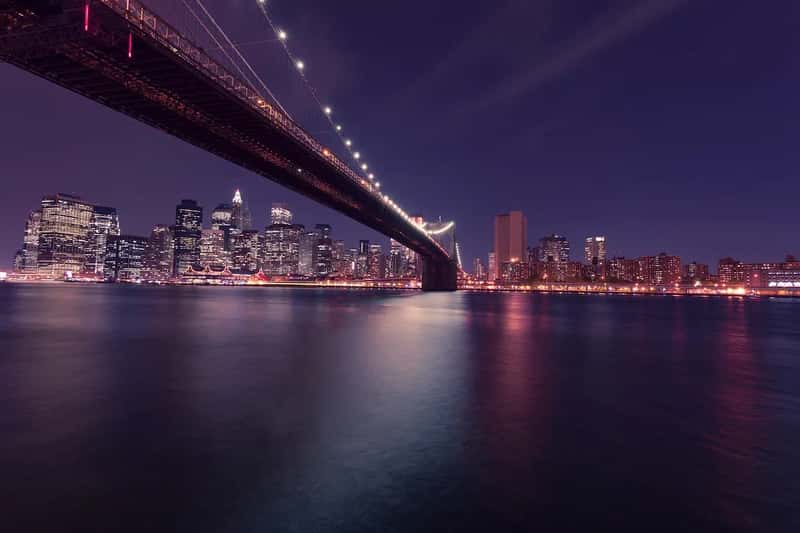
Landmarks like these carry more than architectural weight. They function as a kind of visual passport, letting a single image stand in for an entire city’s identity, history, and daily rhythm. Whether it took one glance or a bit of reasoning to place each one, that recognition itself says something about how much of the world has become familiar through travel, film, and photography.
None of these five sites are static museum pieces either. Ongoing preservation work, anniversary milestones, and steady visitor numbers show that each landmark is still very much a living part of its city rather than a relic frozen in time. That is worth remembering the next time a photo crosses a screen with no caption attached. Sometimes the shape alone is enough.