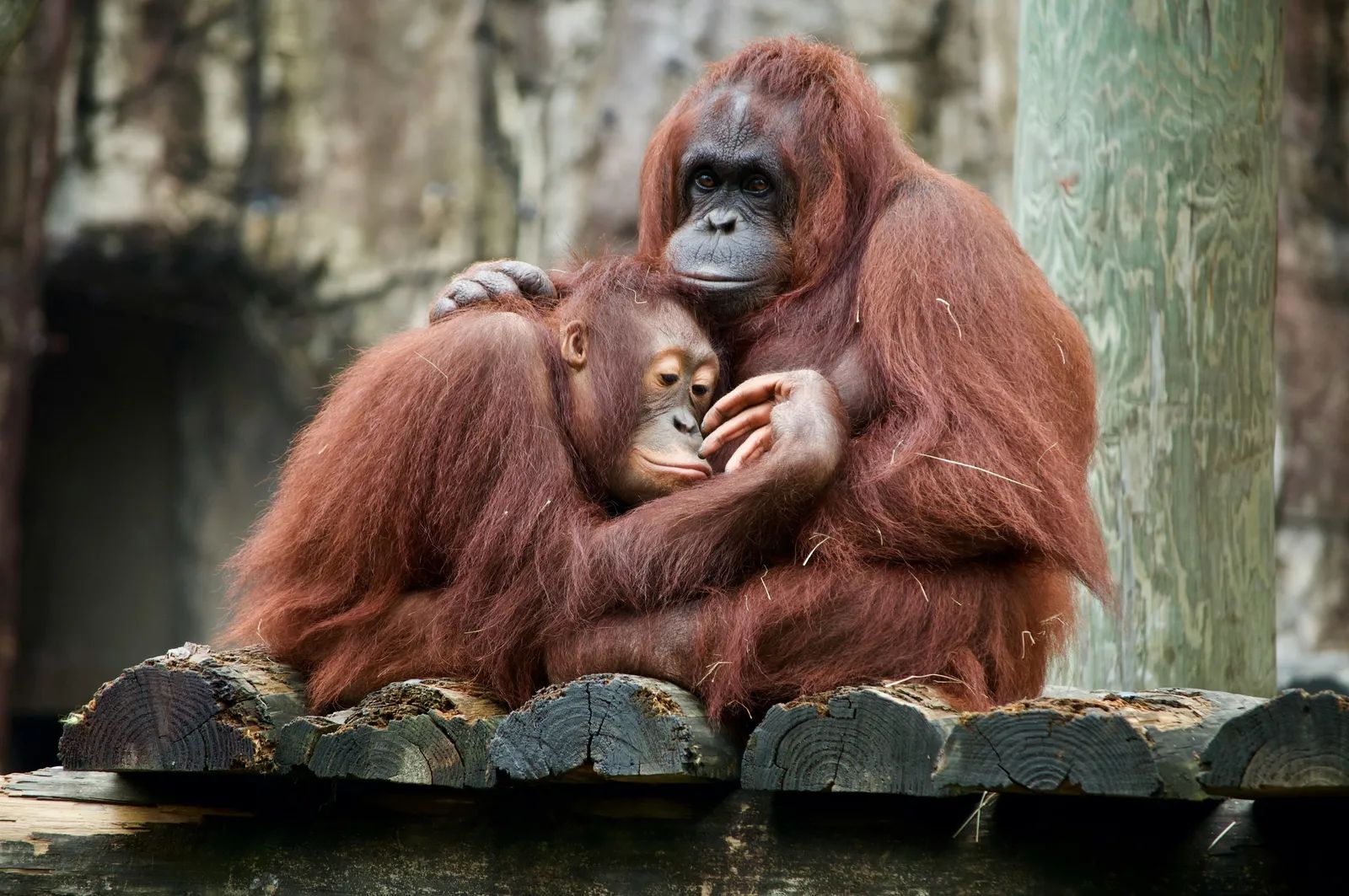
Odisha, India – Five infant orangutans turned up in a woodland near the Bichitrapur forest in Balasore district on September 8. Locals spotted the youngsters roaming far from any known habitat for the species. The discovery immediately raised questions about how the animals reached India’s east coast, roughly 2,000 kilometers across the Indian Ocean from their native range.
Discovery Raises Trafficking Concerns
Wildlife authorities in Odisha took the infants into care after the sighting. Investigators are examining whether the animals were moved through an international smuggling network. Only Indonesia and Malaysia host wild orangutan populations, and the three recognized species live exclusively on the islands of Borneo and Sumatra. The distance alone points to deliberate transport rather than natural movement. Conservation groups note that infant orangutans rarely survive separation from their mothers in the wild. The current case fits a pattern in which young animals are taken from forests and sold as exotic pets.
Route Likely Crossed Multiple Borders
M. Indra Kurnia, director of conservation at the Sumatran Orangutan Lestari Foundation–Orangutan Information Center, described the typical sequence. Hunters target mothers in the forest, remove the infants, and move them through several regions before sale. The animals found in Odisha may have passed through several countries before reaching India. Such journeys expose the young orangutans to stress, poor nutrition, and health risks. Officials in both India and Indonesia now coordinate to determine the precise path the animals took. The investigation could reveal gaps in border controls that traffickers exploit.
Return Process Involves Two Nations
Bringing the five infants back to Indonesia requires approvals from wildlife agencies in both countries. Veterinary checks, paperwork for international transport, and placement in accredited rehabilitation centers all take time. The Sumatran Orangutan Lestari Foundation and partner groups in Sumatra stand ready to receive the animals once clearance is granted. Each step must satisfy legal requirements designed to prevent further trafficking. Delays can extend the animals’ time in temporary facilities far from their eventual home range. Indonesian authorities have handled similar returns in the past, though every case presents unique logistical hurdles.
Broader Impact on Conservation Efforts
The incident underscores ongoing pressure on orangutan populations from illegal trade. Even small numbers of trafficked infants represent losses that slow population recovery in the wild. Groups working on the ground continue to push for stronger enforcement at source forests and along known smuggling corridors. Rehabilitation centers in Sumatra already care for other rescued orangutans. Adding these five will require additional resources for food, medical monitoring, and eventual release planning. The outcome of this case may influence how quickly future rescues move through the system. The five infants remain under care in India while the two governments finalize arrangements. Their eventual return would close one chapter in a story that began thousands of kilometers from the rainforests where they belong.