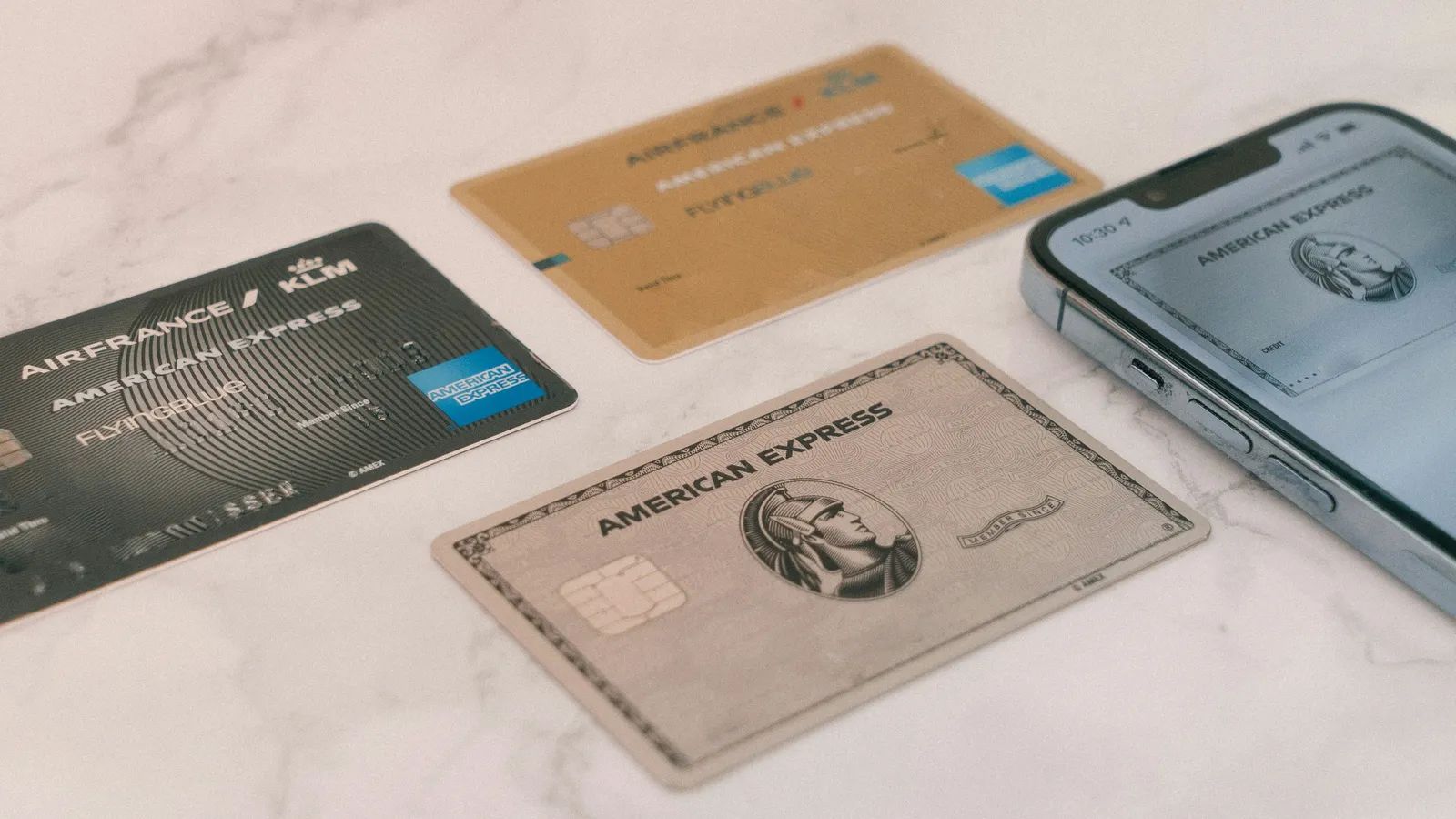
Two American Express cards can carry more than $1,200 in combined annual fees, so the math needs to work before a second card earns a place in the wallet. The Points Guy has laid out three card pairings ([1]), each built around a different kind of spending. The right choice depends less on which card is most popular and more on where the money actually goes each month.
Premium travel with a dining and grocery backstop
The most expensive option pairs the American Express Platinum Card with the American Express Gold Card. The Platinum is built around travel, offering access to a broad network of airport lounges through the Global Lounge Collection, along with a range of statement credits. It carries an $895 annual fee and earns 5 Membership Rewards points per dollar on airfare booked directly with airlines or through American Express Travel, up to $500,000 in airfare purchases per calendar year.
The Gold covers the gaps that the Platinum leaves open. It earns 4 points per dollar at restaurants worldwide and at U.S. supermarkets, with caps of $50,000 and $25,000 in purchases per calendar year, respectively. Its $325 annual fee brings the pairing’s total to $1,220. That cost only makes sense for travelers who regularly use the Platinum’s perks and spend heavily in the Gold’s bonus categories.
Because both cards earn Membership Rewards points, the balances can be combined and transferred to travel partners after the accounts are linked online.
Everyday earning with a no-fee business card
A lower-cost route pairs the Gold with the Blue Business Plus from American Express. The Gold’s 4-point categories cover dining and groceries, and it also earns 3 points per dollar on flights booked directly with airlines or through amextravel.com or the Amex Travel App.
Purchases that would earn only 1 point on the Gold can move to the Blue Business Plus, which earns 2 points per dollar on the first $50,000 in eligible purchases each calendar year. The Blue Business Plus has no annual fee, so the combined cost stays at the Gold’s $325. The catch is eligibility. The Blue Business Plus is a business card, so applicants must qualify as a business. Freelancers and small-business owners with expenses outside the Gold’s categories are the most likely to benefit.
Business spending across rotating categories
Companies with heavy spending on advertising, software, or fuel may find more value in the Business Gold paired with the Blue Business Plus. The Business Gold earns 4 Membership Rewards points per dollar in the two eligible categories where a business spends the most each billing cycle, up to $150,000 in combined purchases per calendar year. Eligible categories include select U.S. advertising, transit, electronics and software providers, gas stations, restaurants, and wireless phone service.
Amex selects the top two categories automatically each cycle, so businesses do not need to choose bonus categories in advance. Purchases outside those categories can go on the Blue Business Plus, which earns 2 points per dollar on the first $50,000 in eligible purchases each calendar year, double the Business Gold’s standard rate of 1 point. The Business Gold carries a $375 annual fee, which makes the pairing worthwhile mainly for companies that spend enough in its bonus categories to offset that cost.
How the three pairings compare
| Best for | Card combination | Combined annual fees |
|---|---|---|
| Frequent travelers who dine out | Platinum and Gold | $1,220 |
| Everyday rewards on personal and business spending | Blue Business Plus and Gold | $325 |
| Rotating business expenses | Business Gold and Blue Business Plus | $375 |
Each pairing targets a different budget and spending pattern, and the fee totals show how sharply the costs can differ. The Platinum combination is the only one that centers on premium travel perks, while the two business pairings depend on eligibility and company spending.
Questions to answer before applying
Before adding a second card, a few checks can prevent an expensive mismatch:
- Where the money goes most often, whether dining, groceries, travel, or business expenses
- Whether the perks and rewards will exceed the combined annual fees
- Whether both cards earn the same points currency, which makes building a balance faster
- Whether the extra rewards tempt higher spending or a carried balance that erases the gains
A second card should fill a gap in the current lineup rather than duplicate what the first one already offers. Overlapping categories rarely add much value.
Bottom line
No single pairing suits every spender. Travelers who use lounge access and airfare rewards may justify the Platinum and Gold, while small businesses and freelancers may get more from the Blue Business Plus or the Business Gold. The strongest choice is the pairing whose bonus categories match real monthly spending and whose annual fees are clearly covered by the benefits used.