Rail prices can look wildly inconsistent once you compare them by distance. One analysis of European routes found that a second class ticket from Zurich to Geneva works out to roughly 21.5 euros per 100 km when bought in advance. A second class ticket on the Zurich–Geneva route costs EUR 57.8 when purchased in advance, equivalent to EUR 21.5 per 100 km.[1]
Other countries charge a small fraction of that for similar distances, and a few charge nothing. The list below mixes long distance bargains, scenic budget rides and places where one pass covers a whole country’s regional network. Fares move with currencies, class and booking habits, so treat the figures as a guide rather than a promise.
India
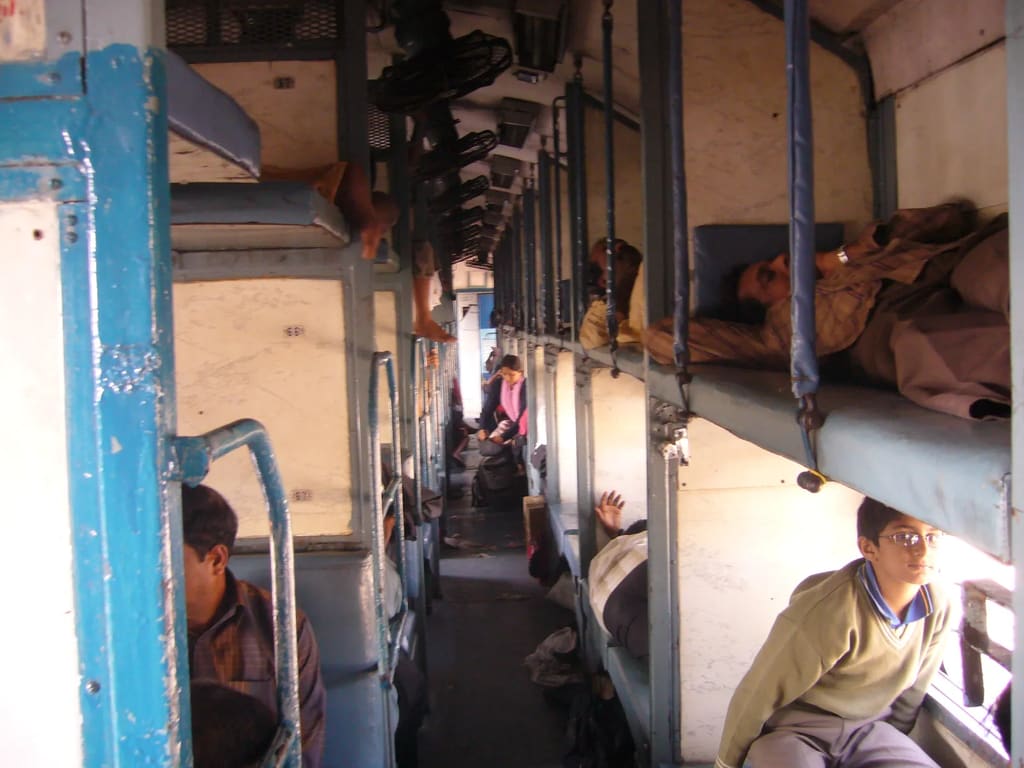
India’s ordinary classes are hard to beat on price per kilometre. One 2026 guide estimates that a 1,000 km second class trip costs only about ₹200–₹205, while a sleeper class berth costs roughly ₹475.[2] Fares did get a small adjustment in late 2025, though the changes were slight across most categories.
On the popular Delhi to Mumbai corridor, which covers 1,386 km, the fare is ₹450–700 in Sleeper Class and ₹1,200–1,600 in AC 3-Tier.[3] Foreign visitors should know that the tourist quota is pricier, since Foreign Tourist Quota fares are approximately 1.5 times the standard rate, plus a ₹200 service charge per ticket.[3] Even so, the class you pick matters more than the train, because the gap between Sleeper and First AC on the same train can be five to eight times.
Egypt

Egypt’s railway is cheap if you pay the local fare, and noticeably less so if you’re a foreign visitor. A third class air conditioned seat on the 879 km Cairo to Aswan run is listed at 250 EGP on one schedule site, with fan cooled third class at 150 EGP. That’s a few dollars for a trip of well over thirteen hours.
Tourists face a different price list. Egyptian nationals pay subsidized fares in local currency, while foreign travelers are charged international rates.[4] Published figures for foreigners vary a lot from one guide to the next, from about $20 to $25 for first class Cairo to Aswan on one site to $80 on another, so confirm the price before you go. The overnight sleeper is a separate product, starting at $110 per person in a double sharing cabin, with dinner and breakfast included.[4]
Sri Lanka
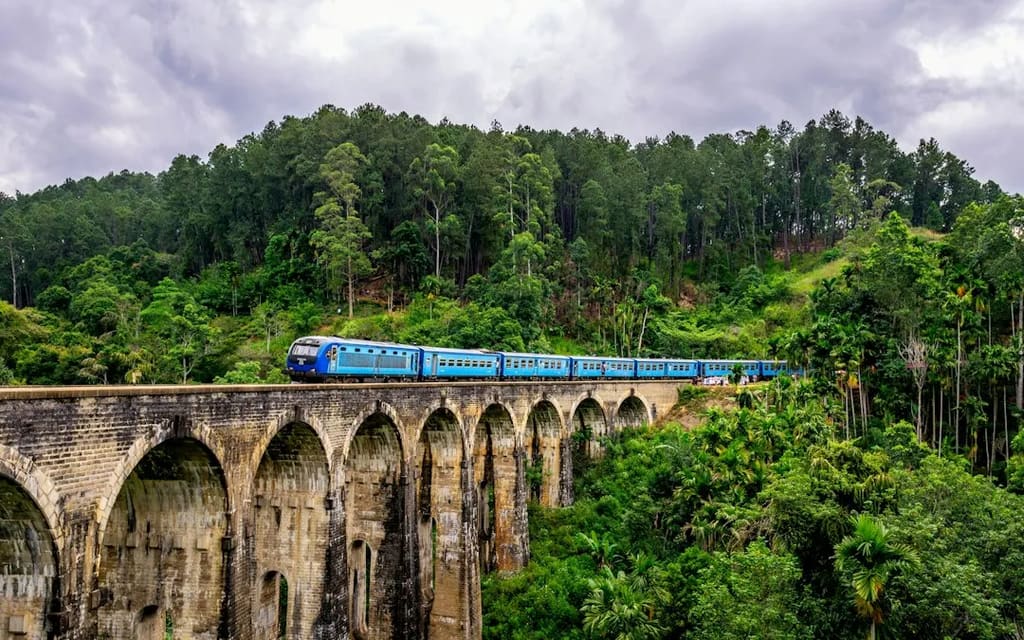
The hill country line from Kandy to Ella is famous for its scenery, and it’s cheap. Mid 2026 published fares for the full route were around LKR 300 (3rd class), LKR 600 (2nd class) and LKR 1,200 (1st class).[5] One guide puts reserved second class seats at roughly $1.50 to $2.50.
Check the current status before planning around it. The Kandy to Ella train now runs from Nanu Oya only,[5] and the full line is not expected back before early 2027, according to recent reports.[5] Sources also disagree on reserved prices, with some quoting older 2022 rates that are higher, so the cheapest tickets are usually the unreserved ones bought at the station.
Luxembourg
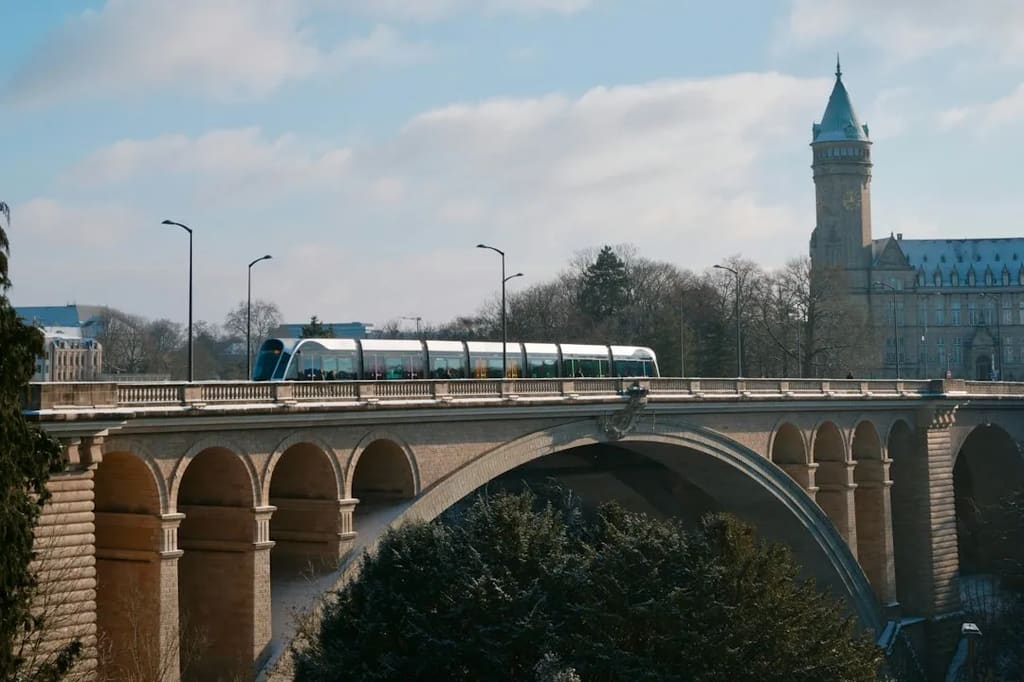
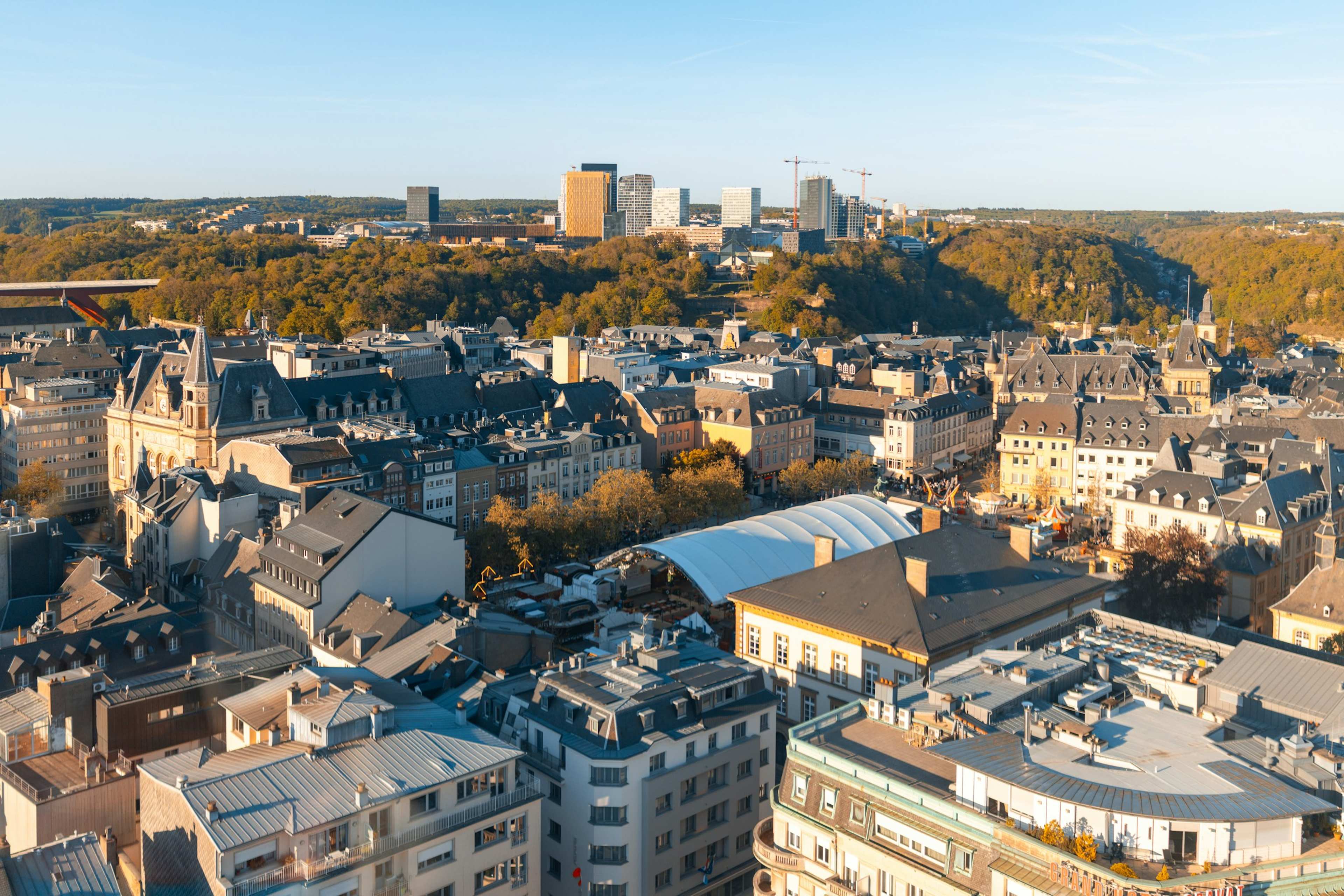
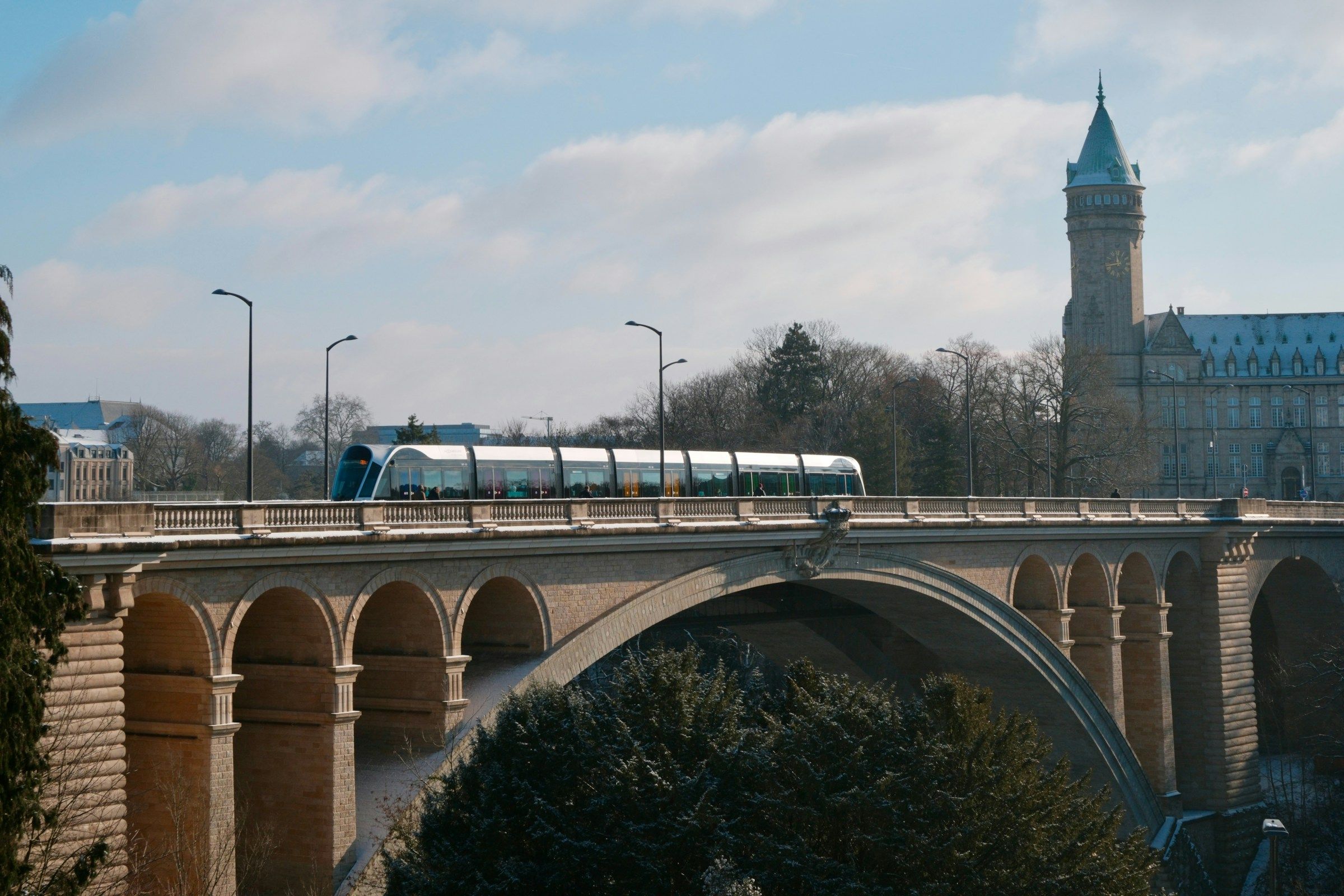
Luxembourg is the one country on this list where the ordinary fare is zero. Though it lacks long distances, tiny Luxembourg was named cheapest for both train and bus routes owing to the country’s decision to make public transport free in 2020.[6] A 2026 round up of rail fares repeats the point, noting that every ordinary seat on Luxembourg’s trains costs nothing.[2]
The catch is size. Luxembourg is small, so you won’t get a long haul journey out of it, though the trains also connect onward to neighbouring countries where regular fares apply. It works best as a free first leg or a day trip rather than a rail holiday on its own.
Poland
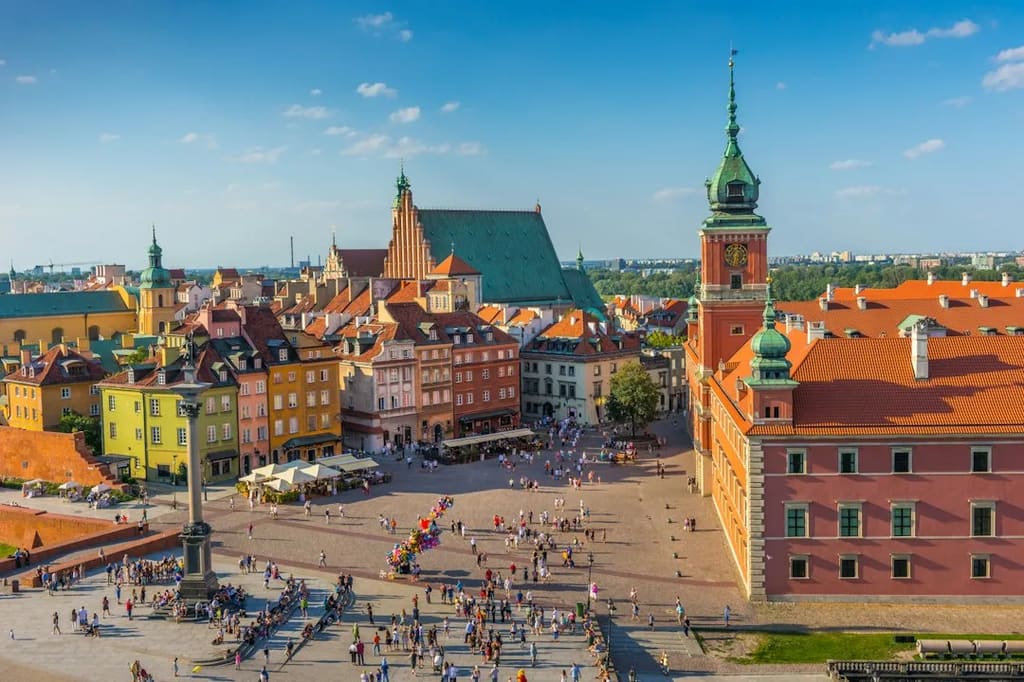
Poland shows how much advance booking can change the picture. On the Warsaw to Kraków route run by PKP Intercity, a ticket costs around EUR 4.1 per 100 km with a 30 day advance purchase, corresponding to 0.23% of the average monthly wage.[1] That’s a very low share of a typical monthly income for a fast intercity service.
Leave it late and the story changes. The price per 100 km rises to around EUR 13.6 when a ticket is purchased one day before departure.[1] So Poland is a bargain for planners rather than for spontaneous travellers, and the early booking habit pays off here more than almost anywhere in Europe.
Romania
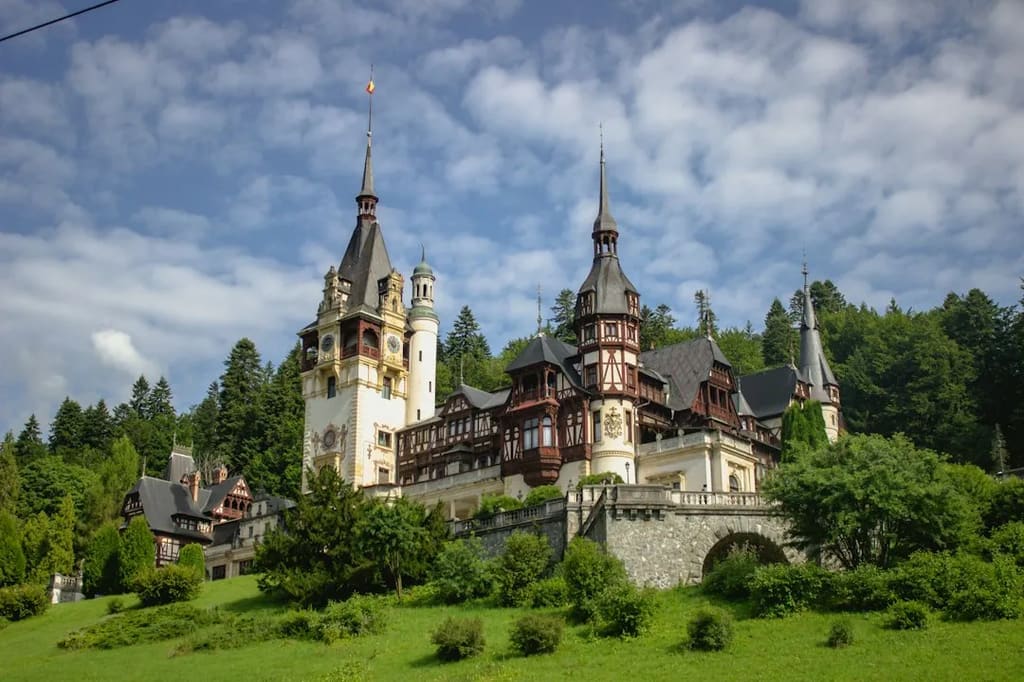
Romania isn’t a speed champion, and nobody pretends otherwise. One travel round up describes its railways as slow but scenic, running through Transylvanian forests and Carpathian valleys. Prices are low, even in cushier second class.[7]
A 2026 European rail guide also lists Romania among the Eastern European countries with very cheap regional fares, alongside Poland, the Czech Republic, Hungary and Bulgaria. I couldn’t find a single reliable per kilometre figure for Romania, so it’s best to check the national operator’s current fares for a specific route. As a rule, expect to pay far less than in Western Europe for a seat, though not a fast ride.
Bulgaria
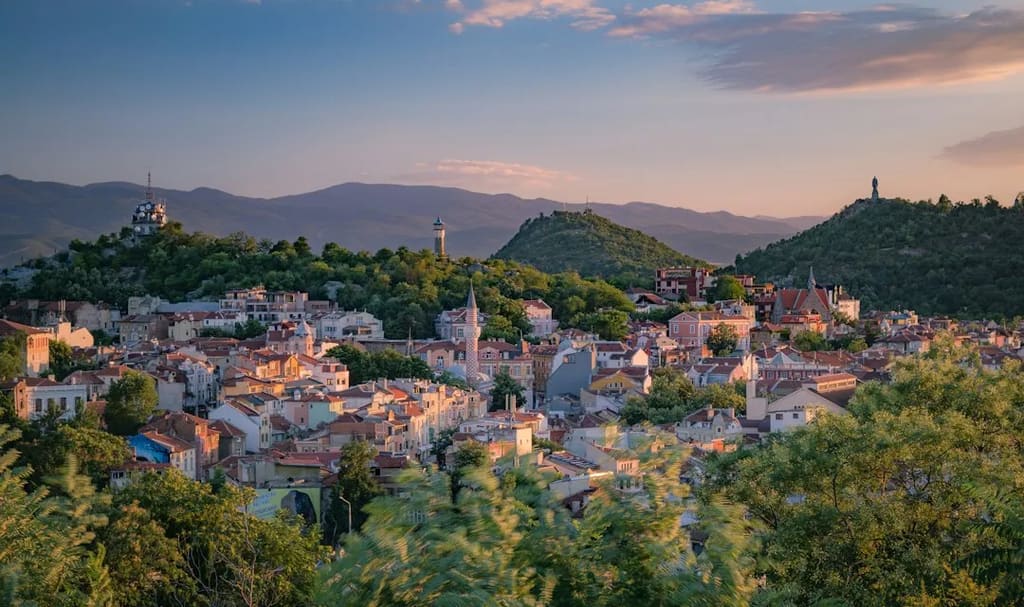
Bulgaria sits in the same budget bracket as its Balkan and Eastern European neighbours. The same 2026 guide includes it among countries with very cheap regional fares. For the classic routes, between Sofia and Plovdiv or along the Black Sea, expect tickets under $10.[7]
Trains here are an inexpensive way to link the capital with Plovdiv, one of Europe’s oldest continuously inhabited cities, and with coastal towns. Comfort and punctuality vary, so it’s a place for patient travellers who care more about the fare than the timetable. Buy tickets at the station or from the national operator to avoid middleman fees.
Serbia
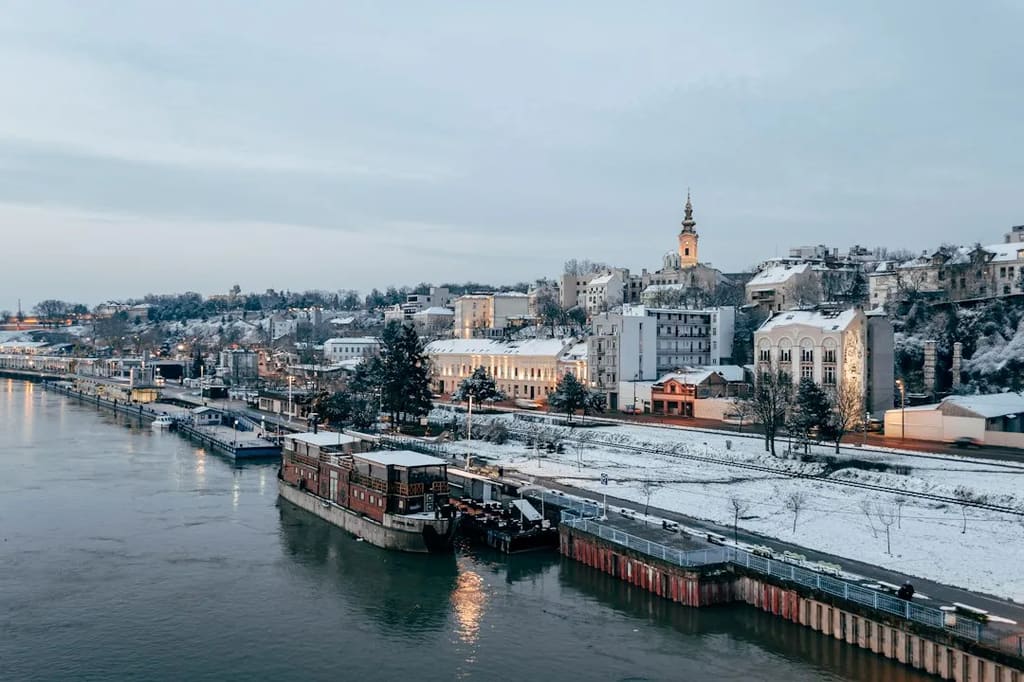
Serbia offers one of the better value scenic rides in Europe. The Belgrade to Bar line, which crosses into Montenegro, is described as one of Europe’s most underrated rides, with 400+ bridges, 250 tunnels, and mountain passes.[7] A guide to affordable rail countries says the fare is often under $20.
Related Stories From Travelbinger


The trains themselves are plain and not always quick. Still, a mountain crossing of that scale for the price of a modest dinner is a good deal by any measure. Check the current timetable and any seasonal changes before you commit, since service patterns on the route have shifted over the years.
Germany
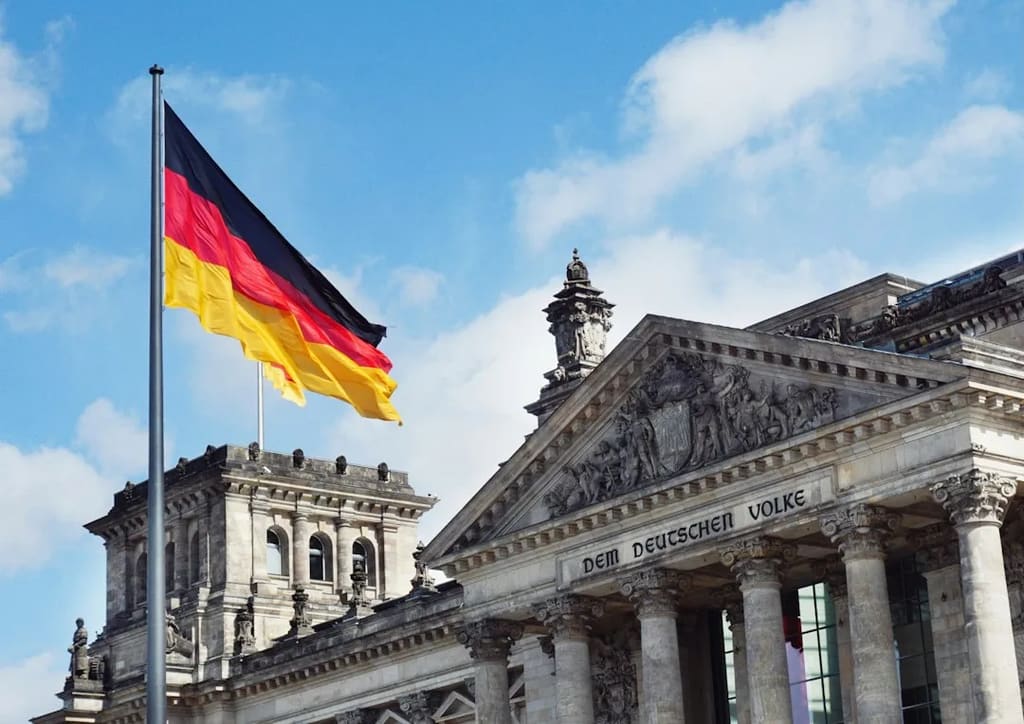
Germany isn’t cheap for a single long distance ticket, but its regional pass is among the best values in Europe. The Deutschlandticket covers all local public transport, and its price was raised to €58 per month in January 2025 and again to €63 per month in January 2026.[8] It covers regional trains such as RE, RB and S-Bahn services, plus buses, trams and metros.
It doesn’t cover fast ICE services, so it suits slow, scenic regional travel rather than racing between big cities. For longer legs, Flixtrain sells some tickets from as little as five euros on selected corridors like Berlin to Hamburg. The price increases have drawn criticism, partly because of worries that they’d hit lower income families hardest.
Thailand

Thailand earns its place with a broader claim than a specific fare chart. In a Transport Price Index from Fleet Logging, Thailand had the world’s most affordable domestic transportation prices overall.[6] The study used popular travel websites such as Skyscanner[6] to compare domestic flights, trains and buses.
That analysis is several years old and blends all three modes, so it isn’t a pure train ranking. Still, it fits what budget travellers report, and Bangkok works as a hub for night trains toward the Laos border. Fares depend on class, with the cheapest seats well below the sleeper berths, so check the State Railway of Thailand for current prices.