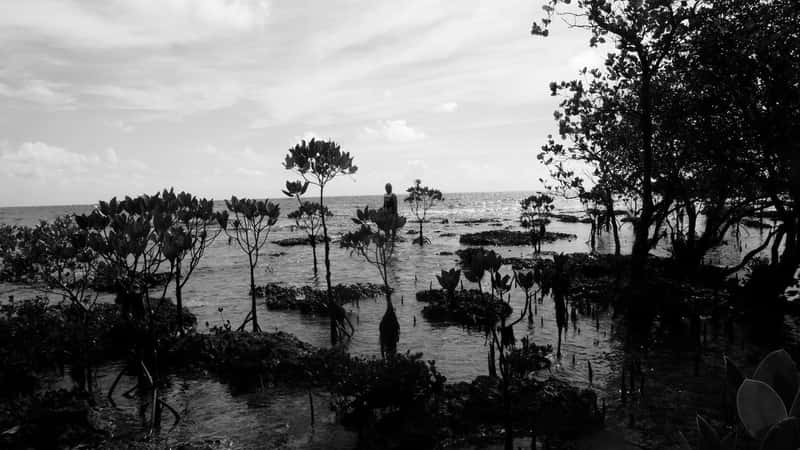
A coastal Philippine farm offers a blueprint for farming with wetlands – Image for illustrative purposes only (Image credits: Unsplash)
Pitogo, Philippines – The Glinoga Integrated Farm occupies a stretch of coastal land in Quezon province where brackish fishponds meet mangrove stands and tidal rice fields. Roughly four hours from Manila by road or boat, the property has belonged to the same family for generations. Recent management choices have turned it into a working example of food production that accommodates rather than displaces the surrounding wetlands.
Restoring Land After Years of Damage
The family once grew coconut, cacao and sugarcane on the slopes. By 2008, slash-and-burn practices by a tenant had left the ground bare and smoking. Native chicken was the only protein available, and vegetables were absent. The previous manager fell ill, and oversight lapsed until Ninieveh Glinoga took charge. She and her husband decided to rebuild the embankments while preserving the existing mangroves. The lowest sections still flood during high tide, yet the trees remain in place. Nipa palms now grow among the mangroves, and the restored layout supports both crops and the natural water cycle.
Adapting to Coastal Conditions
The farm’s layout follows the terrain rather than fighting it. Coconut-covered slopes give way to lower paddies that receive tidal flows. Abandoned fishponds nearby have begun to revert to wetland vegetation. This patchwork mirrors the mixed landscapes common in many Philippine coastal communities. By keeping mangroves intact, the operation maintains natural buffers against erosion and storm surges. The same trees support local marine life and provide additional income through nipa products. Food production continues without clearing the vegetation that once protected the shoreline.
Practical Outcomes for Coastal Communities
The approach shows how farming can coexist with wetlands instead of replacing them. Coastal developments elsewhere in the Philippines have removed these buffers, reducing both biodiversity and natural flood protection. The Glinoga model keeps the ecosystem functions while still yielding crops and livestock. Family members and visitors can now see a working landscape that supports multiple uses. The changes required modest engineering and a willingness to work with seasonal flooding. Results so far indicate that similar sites could adopt comparable methods without large-scale clearing or external inputs.