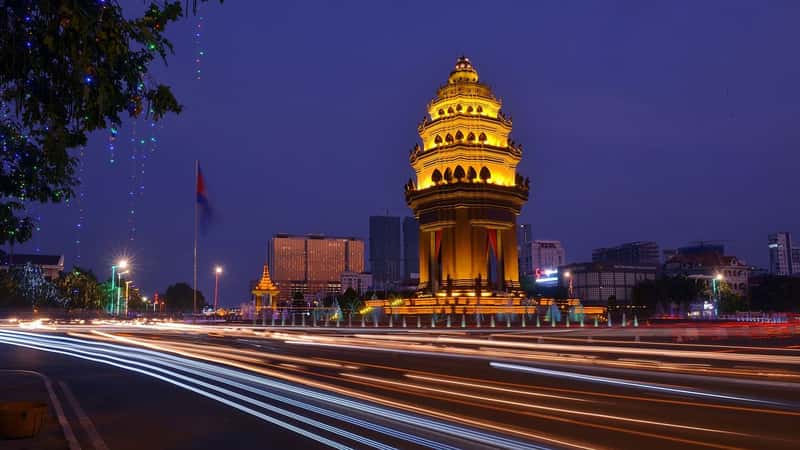
Phnom Penh City Guide: Beyond the Killing Fields (Including Hotel Guide) – Image for illustrative purposes only (Image credits: Unsplash)
Phnom Penh has shed much of the heavy atmosphere that once shaped visitor experiences. Repeat travelers who last came a decade ago report a noticeable shift in the city’s overall character. The change reflects broader recovery and growth across Cambodia’s capital.
Earlier Visits Carried a Lasting Weight
Travelers who arrived during the previous decade often described a pervasive sense of melancholy. That feeling stemmed directly from the city’s connection to the Khmer Rouge period. It colored daily interactions, street scenes, and even the pace of exploration. Many left with the impression that the past remained the dominant lens for understanding the place.
Recent Trip Reveals Clear Differences
A more recent visit produced a different outcome. The same traveler who once planned to call the city Southeast Asia’s most impactful destination found the mood had lifted. Daily life appeared more forward-looking. Streets and public spaces showed signs of renewed energy and activity that had been less evident before.
Practical Effects for Regional Travelers
The shift carries direct consequences for people planning Southeast Asia itineraries. Those who previously skipped Phnom Penh or limited their stay may now consider longer visits. Local businesses and tourism operators stand to benefit from renewed interest. The timeline of change aligns with steady economic and infrastructure progress over the past ten years.
Stakeholders and Next Steps
Residents, business owners, and government planners have all played roles in the city’s evolution. International visitors form another key group affected by the updated image. Continued investment in public spaces and services will likely determine how far the transformation extends. Those monitoring Southeast Asia travel trends now view Phnom Penh as a destination worth reassessing on its current terms.