
Can you really find a quiet, traditional Buddhist temple in the middle of District 1? Phùng Sơn Buddhist Temple proves that you can. Tucked into central Ho Chi Minh City, this pagoda doesn’t dominate guidebooks or skyline views, but it offers something different – intimacy and stillness in one of Saigon’s busiest districts. In this guide, I’ll share what makes Phùng Sơn Buddhist Temple worth visiting, what you’ll notice when you step inside, and why I found it memorable despite its smaller scale.
A Temple Hidden in Plain Sight

Phùng Sơn Buddhist Temple sits in District 1, surrounded by cafés, small shops, and the constant movement that defines central Saigon.
That location is what makes it surprising.
Most visitors expect temples in Chinatown or on the city’s outer edges. District 1 is associated with colonial buildings, modern apartments, and nightlife. But Phùng Sơn has been here quietly for decades, holding its ground while everything around it modernised.
When I first visited, I didn’t come with high expectations. From the outside, the structure looks modest. There’s no dramatic staircase, no towering spire, no expansive courtyard. The entrance blends into the street.
First Impressions Inside

The interior is compact. You don’t walk through multiple courtyards or levels like you do at larger pagodas. Instead, you’re brought straight into the main worship space.
The lighting is softer and darker than the open designs in Thu Duc. The statues carry deeper tones, and the altars are layered but not overwhelming. The space feels contained – not cramped, but intimate.
I remember noticing how quickly the outside noise faded. District 1 traffic doesn’t disappear completely, but it dulls into the background. Inside, the focus shifts to small details: the flicker of candles, the quiet placement of incense, the deliberate movements of someone praying.
There’s something about a smaller temple that makes you more aware of your own presence. In larger complexes, you can blend into open space. Here, you move carefully and more consciously.
Architecture and Character

Phùng Sơn doesn’t rely on scale for its impact. Its architectural character is subtle.
The structure reflects traditional Vietnamese Buddhist design rather than the stronger Chinese influence seen in District 5. Rooflines are modest, the layout straightforward. There’s no theatrical grand entrance.
Inside, carved wood and layered altars create depth without excess. The statues are arranged with purpose, not abundance. Compared to Chùa Vạn Phật, which builds visual intensity through repetition, Phùng Sơn builds it through restraint.
The details are what hold your attention.
The walls show signs of age and continued use. The wood beams aren’t polished for effect; they’ve darkened naturally over time. Nothing feels newly curated for tourists. That authenticity is what stands out.
The Contrast with District 1
What I find most compelling about Phùng Sơn Buddhist Temple is its location.
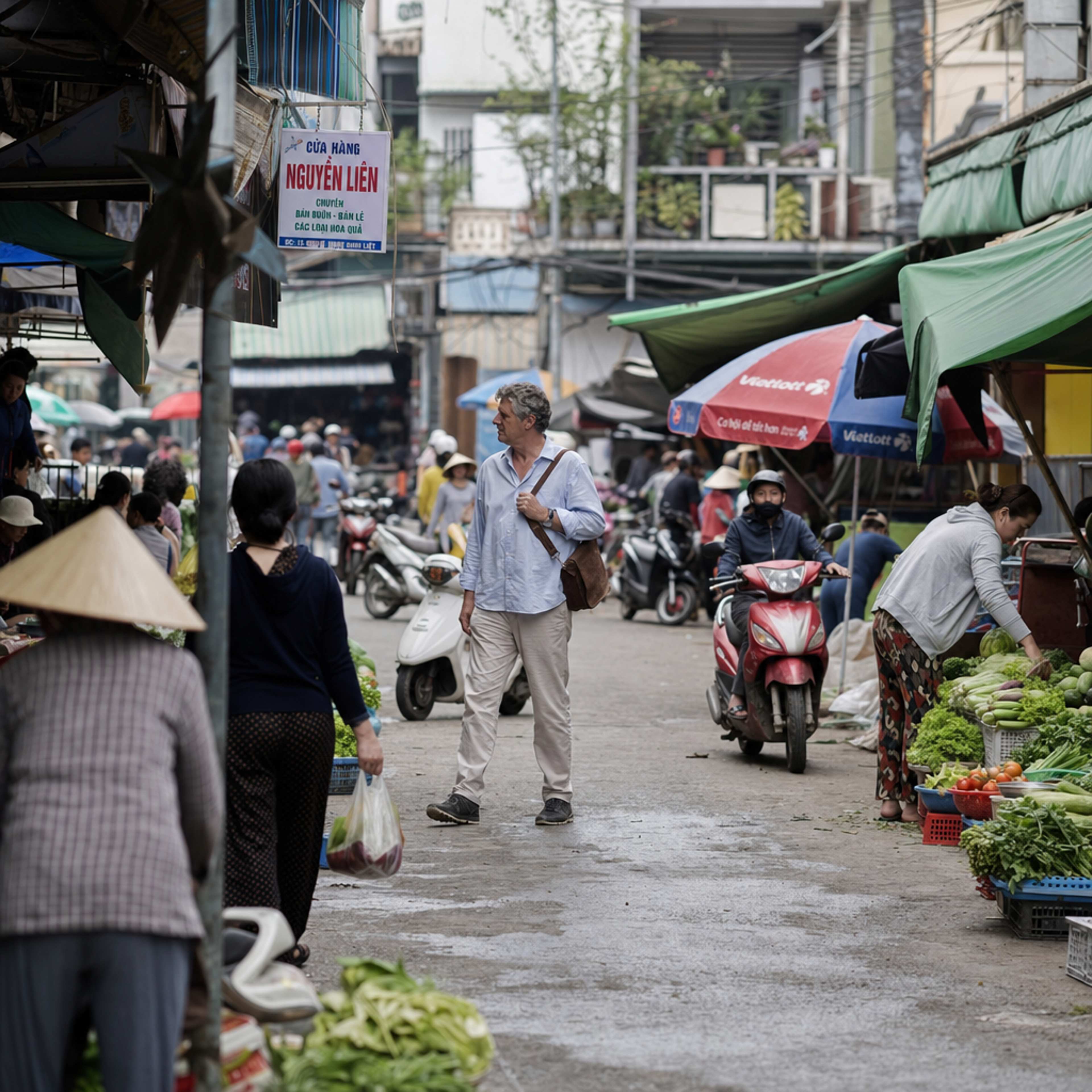
District 1 is defined by speed – coffee shops turning over customers quickly, motorbikes weaving through traffic, and constant movement from morning to late night. It’s easy to assume that calm spaces don’t exist here.
But Phùng Sơn sits quietly within that intensity. On my visit, I stood near the entrance for a few minutes before leaving, just watching the street outside. The contrast was sharp. A few steps separated incense smoke and bowed heads from honking traffic and delivery riders.
That proximity makes the temple feel grounded rather than isolated. It doesn’t exist apart from the city; it exists within it.
Why It Deserves Attention

Phùng Sơn Buddhist Temple may not be the most architecturally dramatic pagoda in Ho Chi Minh City. It doesn’t have the golden spires of Buu Long or the centuries-old reputation of Thien Hau.
But beauty isn’t always about scale. Sometimes it’s about atmosphere. Sometimes it’s about finding a place that quietly resists the pace around it.
For travellers staying in District 1, this temple offers accessibility without requiring a long journey. You don’t need a half-day excursion. You can step away from the main roads and find yourself in a space that feels measured and deliberate. For me, that accessibility makes it meaningful.
Practical Information for Visiting

- Location: District 1, Ho Chi Minh City
- Entrance fee: Free (donations welcome)
- Dress code: Modest clothing recommended
- Photography: Generally allowed, but avoid flash
- Best time to visit: Morning for quieter conditions
Because of its smaller size, visits are usually brief. You don’t need hours here. Fifteen to thirty minutes is enough to appreciate the atmosphere.
It pairs easily with other District 1 attractions without requiring a significant detour.
Quiet Strength Within
Phùng Sơn Buddhist Temple doesn’t compete with Saigon’s larger pagodas. It doesn’t need to.
What makes it stand out is its intimacy and its contrast with the district around it. In the middle of Ho Chi Minh City’s busiest area, it offers a moment of stillness without leaving the centre.
If you’re searching for a temple experience that feels personal rather than monumental, this is worth stepping inside.
Sometimes the quieter places leave the stronger impression.