There’s a quiet shift happening in travel right now, one that doesn’t show up in flight prices or hotel rates but changes the math of a trip all the same. Cities and islands that once welcomed anyone with a passport are starting to charge for the privilege, and the fees aren’t small anymore. What began a few years ago as symbolic entry taxes has turned into something closer to a rationing system, where the cost of showing up is becoming part of the deterrent itself.
Venice, Italy
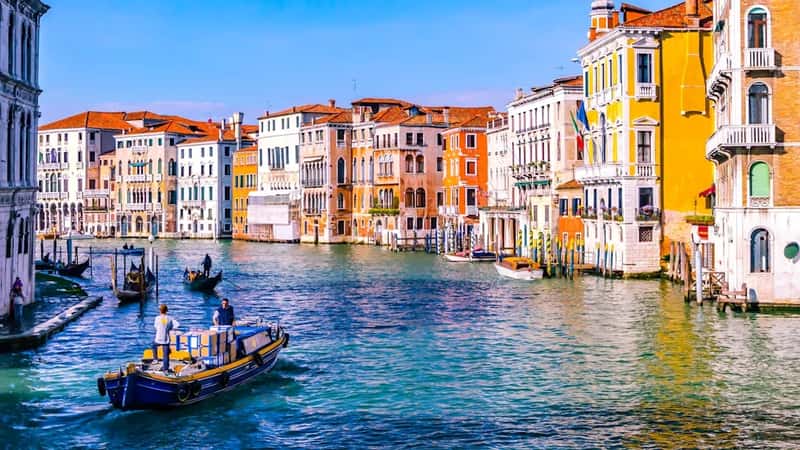
Venice was the first city in the world to charge day trippers simply for walking through its streets, and the experiment has only grown since. On Thursday, April 25, 2024, Venice implemented the world’s first tourist entry fee to curb mass tourism, charging €5 for each day that day trippers visit the city.[1] By 2026 the program had expanded well beyond that initial trial.
Venice has expanded its day-tripper entry fee in 2026 to 60 peak days between April 3rd and July 26th.[2] The tax is due from 8:30 to 16:00 on those days, and the fee has been set at 5 euros for anyone over the age of 14, provided you pay before the fourth day of your arrival, after which the rate rises to 10 euros.[3] The city’s new mayor has floated something far more dramatic: a proposal to raise the access fee to Venice’s historic center from the current 10 euros to 50 on peak days, a move that would represent a 900% increase over the rates introduced when the system launched in 2024.[4]
Barcelona, Spain

Barcelona has paired its tax increases with structural changes that go well beyond a simple surcharge. The city has paired the tax hike with a wider response to overtourism and housing pressure, including a plan to phase out short-term tourist apartments by 2028.[5] For visitors, the accommodation tax now runs high enough to notice on a hotel bill.
Barcelona’s hotel tax can run up to €15 per person per night, one of the highest combined tourism charges in Europe.[6] Put another way, a couple spending five nights in a Barcelona hotel will pay roughly €120 to €150 in tourist taxes alone.[6] That’s before factoring in the city’s broader housing squeeze, which is pushing officials to treat tourism itself as something to manage rather than simply welcome.
Amsterdam, Netherlands
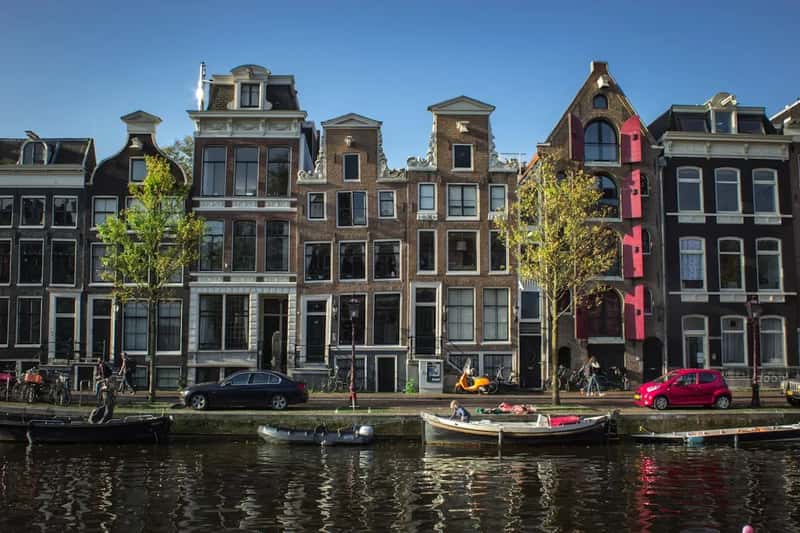
Amsterdam now holds the title for the steepest nightly accommodation tax on the continent. On a nightly basis, Amsterdam’s 12.5% accommodation tax is currently the steepest in Europe.[7] The increase came from a modest starting point not long ago.
Amsterdam raised its tourist tax from 7% to 12.5% of accommodation costs, meaning a hotel costing €175 a night is taxed €21.80 per night.[8] Nearby, a much smaller Dutch town is taking an even sharper approach. Zaanse Schans, with just 100 residents and several scenic windmills, saw over 2.4 million visitors last year, and locals hope a charge of €17.50 per person will dissuade some rowdy tourists starting in spring 2026.[8]
Kyoto, Japan

Kyoto has taken the boldest step among Japanese cities, tying its hotel tax directly to room price in a way that hits luxury travelers hardest. Kyoto’s hotel tax for stays priced between ¥50,000 and ¥99,000 per night will increase from ¥1,000 to ¥4,000, while stays costing between ¥20,000 and ¥49,999 will see their levy rise from ¥500 to ¥1,000, and stays of ¥6,000 to ¥19,999 will see their tax increased from ¥200 to ¥400.[5] Budget travelers are largely spared, since accommodations under ¥6,000 a night won’t face an increase.[5]
City officials aren’t shy about the reasoning behind it. Officials have framed this bluntly, arguing that tourists must bear the cost of countermeasures against overtourism.[5] At the top end, the numbers are striking: Kyoto is introducing a higher accommodation tax in 2026, the highest in the country, with the maximum tax of 10,000 yen per night, about $63.[9]
Edinburgh, Scotland

Scotland’s capital became the first city in the country to charge visitors directly for staying overnight. Edinburgh becomes the first Scottish city to charge visitors directly for overnight stays, with a 5% accommodation tax starting in 2026, added to hotel bills.[5] The charge is narrowly defined but still adds up over a longer stay.
The tax applies to overnight accommodations, excluding extras like room service, since it applies to the room rate itself rather than incidental charges.[5] For a family staying a week during festival season, that percentage translates into a real line item that simply didn’t exist on Edinburgh hotel bills a year earlier.
Hawaii, United States

Hawaii has taken a different angle than most destinations on this list, framing its new charge around climate resilience rather than crowd control. Hawaii has become the first US state to formally adopt a climate-focused visitor tax, after Governor Josh Green signed the “Green Fee” tax into law as Act 096, increasing the transient accommodations tax by 0.75%.[5] The dollar impact per night is modest but the reach of the fee is wide.
On a typical booking, the fee amounts to an extra 0.75%, raising the statewide Transient Accommodations Tax from 10.25% to 11%, which equals an extra $3 a night on a $400 hotel room.[5] Notably, the state has also closed a loophole that previously let one category of visitor sail through untaxed, since cruise passengers are being brought into the system for the first time as well.[5]
Galápagos Islands, Ecuador

Few destinations have doubled their entry price as bluntly as the Galápagos. Ecuadorian authorities raised the Galápagos entry fee for international visitors to US $200 from US$100, effective August 1, 2024, an unprecedented adjustment designed to reduce environmental strain.[12] That single move reset the baseline cost of visiting one of the world’s most ecologically sensitive archipelagos.
The fee increase reflects a broader recognition that the islands’ fragile ecosystem can only absorb so much foot traffic before the damage becomes difficult to reverse. Unlike a city that can spread visitors across neighborhoods, an island chain built around wildlife has far fewer ways to dilute the impact of a crowd, which is likely why the price jump was so steep and so sudden.
Santorini and Mykonos, Greece
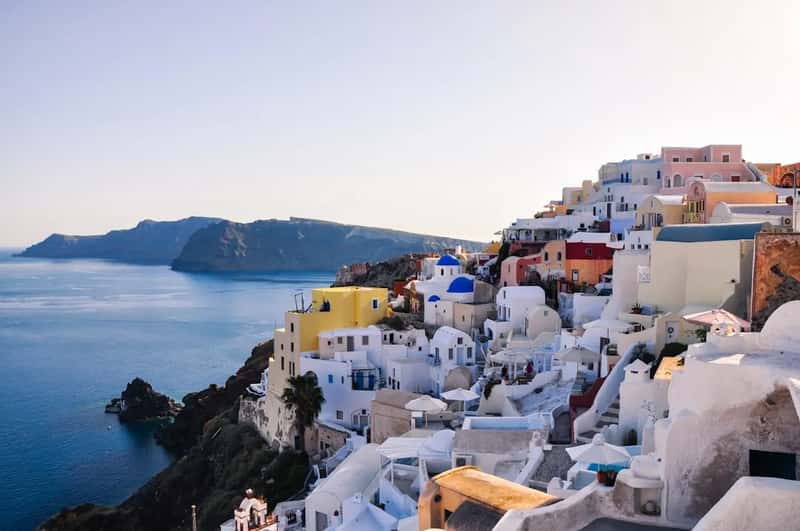
Greece’s most photographed islands have moved from taxing visitors to physically limiting how many can arrive on any given day. Santorini introduced a limit of 8,000 cruise ship passengers per day, a control the island has kept in place through 2026.[9] Mykonos has followed a similar logic.
Both Santorini and Mykonos now have strict visitor caps to manage high tourist density during peak months.[13] For travelers used to booking a Greek island getaway on short notice, that shift means cruise itineraries and peak-season day trips increasingly need to be locked in well ahead of time, since the cap applies regardless of how much a visitor is willing to spend to get through the door.
Bali, Indonesia

Bali’s approach has been comparatively gentle in price but persistent in enforcement, and it may not stay that way. The Bali provincial government introduced a tourism tax of IDR 150,000 per international visitor, in effect since February 14, 2024, aimed at preserving the island’s natural beauty and cultural heritage.[14] Compliance has lagged behind expectations, though.
The levy came into effect on February 14, 2024, and over the following two years, only up to 35% of eligible visitors made the payment.[15] That gap hasn’t gone unnoticed, and there’s talk of raising the stakes: the structure has held steady with no confirmed rate changes for 2026, though a future jump to IDR 300,000 has been raised at the government level, with nothing signed off yet.[16] If enforcement tightens the way it has in Venice and Kyoto, the current bargain price may not last.
The bigger picture behind the fees
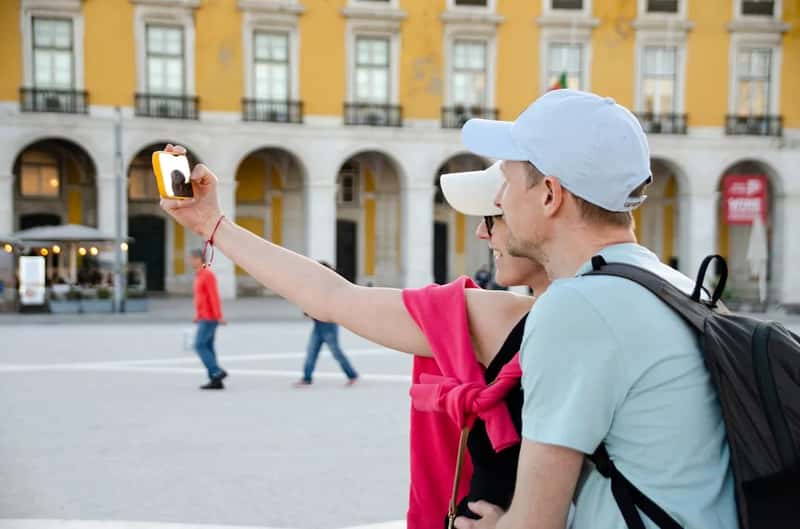
Taken together, these changes point to something larger than isolated municipal budget decisions. Bhutan’s government has already floated raising its fee again if visitor numbers increase, and the broader trend across Europe and Asia-Pacific has been toward introducing or increasing tourist taxes, not removing them, as destinations lean further into managing overtourism rather than simply absorbing it.[7] The direction of travel, so to speak, is consistently upward.
European lawmakers have started treating this as a continent-wide issue rather than a city-by-city patchwork. The EU Parliament’s March 2026 overtourism resolution signals a continent-wide policy shift toward redistributing tourists, not just taxing them.[6] Whether that redistribution actually eases pressure on places like Venice and Santorini, or simply adds another layer of fees on top of the ones already in place, is something that will likely play out over the next several travel seasons rather than resolve in any single year.
What this means for travelers weighing a trip

None of these fees, on their own, are enough to cancel a long-planned vacation. Tourists planning Venice trips won’t cancel over €10.[17] The real shift is cumulative, since a multi-city itinerary that touches two or three of these destinations can quietly add a few hundred euros in charges that simply didn’t exist several years ago.
Adding the Louvre’s new non-EU price on a Paris day trip, Venice’s entry fee for two days, and a cruise port levy at a Greek island can push a trip’s fees up by an extra €200 to €300 compared with three years ago.[6] That’s prompted a noticeable behavioral shift among budget-conscious travelers, who are increasingly comparing the sticker price of a bucket-list stop against a quieter, cheaper alternative nearby, and often choosing the alternative.