There is a particular kind of vacation memory that lives rent free in a family photo album: a heart-shaped tub, a buffet line stretching past the horizon, a boardwalk arcade that smelled like funnel cake and salt air. These trips were not embarrassing when they happened. They were the whole point of a summer.
But travel trends move fast, and what once felt like the height of leisure can quietly slide into “oh, that’s where my grandparents went” territory. Younger travelers rarely say this out loud, since it can sound dismissive of a place that clearly meant something to someone. Still, the shift in taste is real, and these nine destinations tend to come up when people talk about vacations that feel stuck in an earlier decade.
Branson, Missouri
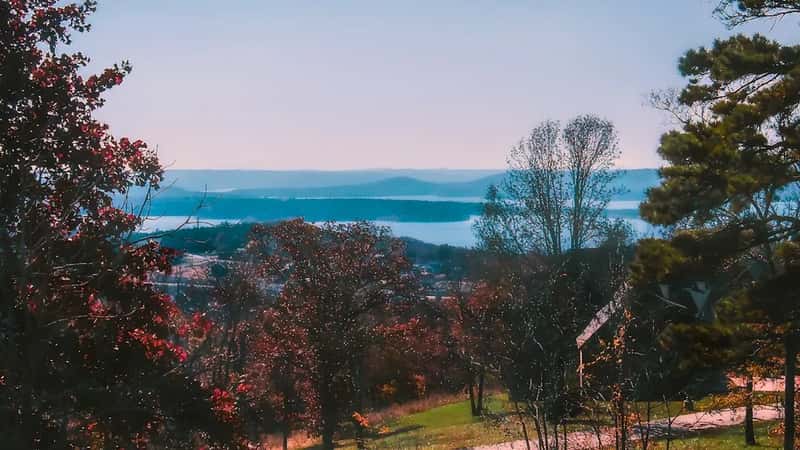
Branson built its reputation on live music theaters, family variety shows, and a slower, more nostalgic pace than most modern vacation towns. It genuinely earned that reputation. The average income of the Branson visitor is $55,186 and average age is 57.[1] That is not a criticism of the town so much as a snapshot of who has historically driven its tourism economy.
Tourism officials have noticed the demographic story shifting a bit in recent years, with one 2024 outlook piece from a regional business publication noting there wasn’t a lot of new attractions, but we’re seeing younger families, with the average age around 46[2] among some visitor segments. Even so, Branson’s identity still leans heavily on Highway 76 theaters, big band tributes, and gospel matinees, which is exactly the kind of programming that reads as charming to one generation and a little sleepy to another.
Atlantic City, New Jersey
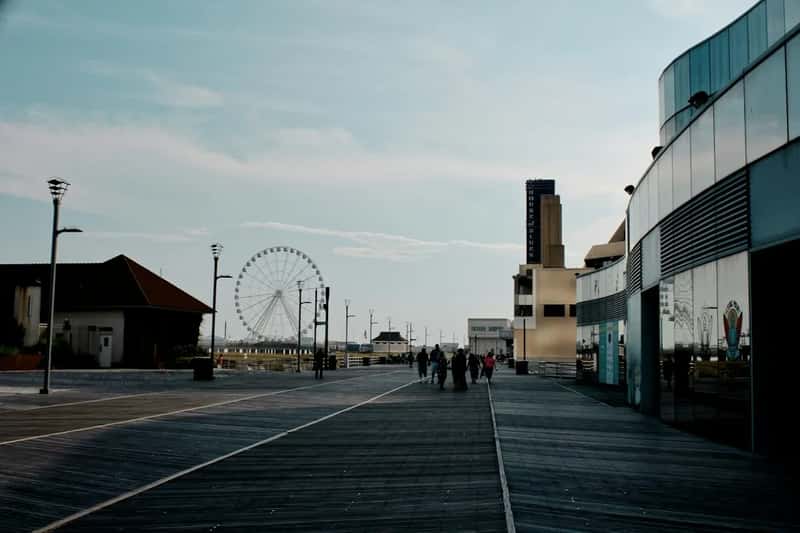
Atlantic City’s boardwalk and casino floor once defined an entire era of East Coast vacationing, back when a bus trip to the slot machines counted as a proper getaway. The city has worked hard to modernize, and the numbers back that up. Atlantic City welcomed approximately 18 million visitors in 2024, a number that alone proves the city remains a heavyweight in the US tourism sector.[3]
Even with that comeback, the image many younger travelers still carry is one of an older gambling crowd and a boardwalk built for a pre-smartphone vacation. Marketing analysts have picked up on this tension directly, describing one recent casino ad campaign as something that “doesn’t scream desperation, it whispers ‘Remember when?’ to an audience that could use a break.”[4] That kind of nostalgia marketing works on the people who remember the golden years. It tends to land differently on someone who was not born yet.
The Poconos honeymoon resorts
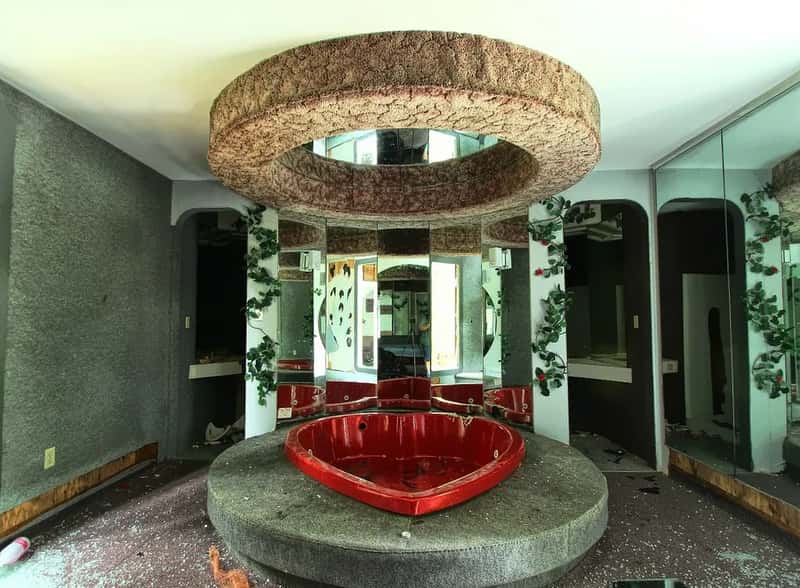
Few vacation traditions are more openly dated than the Pocono Mountains’ heart-shaped tub era, and that is by design of the era itself, not an insult toward it. Within a decade the Poconos had dethroned Niagara Falls as the Honeymoon Capital of the World.[5] The whole concept, invented by resort owner Morris Wilkins, became a genuine cultural phenomenon.
The style did not age gracefully, though. By the 1980s, resorts all over the world could buy a mass-produced version of the heart-shaped tub, but the tubs fell out of favor in the 1990s as a new generation of vacationers considered them tacky.[6] Several of the original resorts, including the Summit, eventually closed and now sit abandoned in the woods, which tells you almost everything about how quickly a honeymoon trend can turn into a punchline.
Classic buffet-style all-inclusive resorts

The old-school Caribbean all-inclusive, the one built around a sprawling buffet, a swim-up bar, and a nightly poolside show, was for decades considered the safe, slightly unglamorous choice for a first honeymoon or a budget family trip. That reputation lingered for a long time. As one recent industry analysis put it, all-inclusives were long viewed as “fine for a first honeymoon or a low-effort spring break, but not what a serious traveler booked when they wanted control over where they ate.”[7]
Interestingly, that stereotype is now reversing itself faster than most people expected. A December 2025 survey found younger travelers are driving much of that shift, with 42 percent of Gen Z respondents having stayed at an all-inclusive resort in the past year, compared with 33 percent of Millennials.[7] So the format is not disappearing, but the classic bare-bones buffet version of it is exactly what still reads as a throwback next to the newer, chef-driven resorts replacing it.
Myrtle Beach, South Carolina
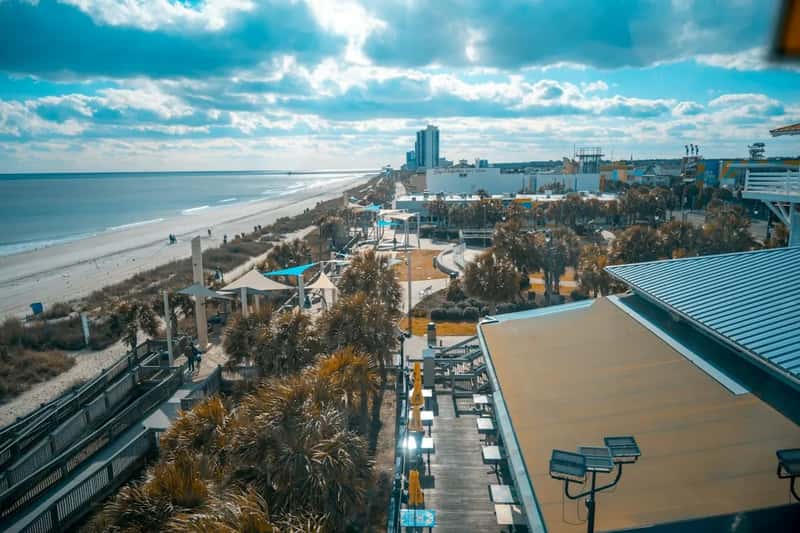
Myrtle Beach grew into a vacation powerhouse on the strength of mini golf courses, motor lodges, and a boardwalk built for family road trips rather than curated experiences. That formula worked beautifully for generations of Southern and Midwestern families who drove down every summer without much debate about where else to go. The town still pulls enormous crowds, and the beach itself has not lost its appeal.
What has shifted is the surrounding experience. The dense strip of themed mini golf courses, all-you-can-eat seafood buffets, and outlet malls tends to read as a very specific, very familiar kind of Americana, the sort that a younger traveler associates with a childhood trip rather than a destination they would choose on their own. It is less that Myrtle Beach has declined and more that its aesthetic has stayed remarkably consistent while travel tastes moved elsewhere.
Wisconsin Dells

Wisconsin Dells built its identity on indoor water parks, duck boat tours, and a dense cluster of family resorts that peaked in popularity through the 1990s and early 2000s. It remains a major draw for Midwestern families, and the water park concentration there is still considered one of the largest in the country. The town leaned hard into that identity and never really tried to be anything else.
That consistency is part of what makes it feel dated to some younger travelers now. Indoor water park vacations were the height of novelty a couple of decades ago, when the idea of a tropical-themed slide complex inside a Wisconsin building felt genuinely futuristic. Today, with more travelers chasing outdoor adventure trips or international experiences, a Dells weekend can feel more like a nostalgic family tradition than a fresh idea.
Niagara Falls

Long before the Poconos claimed the title, Niagara Falls was the original honeymoon capital, and the waterfront town built decades of tourism infrastructure around that reputation. Wax museums, souvenir shops, and heart-shaped everything defined the Canadian and American sides of the falls for much of the twentieth century. The falls themselves are still genuinely spectacular, and that has not changed.
What has changed is the surrounding strip, which still carries a slightly frozen-in-time feel with its retro motels and kitschy attractions built for a different era of car-based tourism. Younger couples now more often treat Niagara Falls as a quick scenic stop rather than a honeymoon destination in its own right, which leaves the town’s vacation infrastructure looking a bit like a monument to an earlier version of romantic travel.
Orlando’s International Drive strip
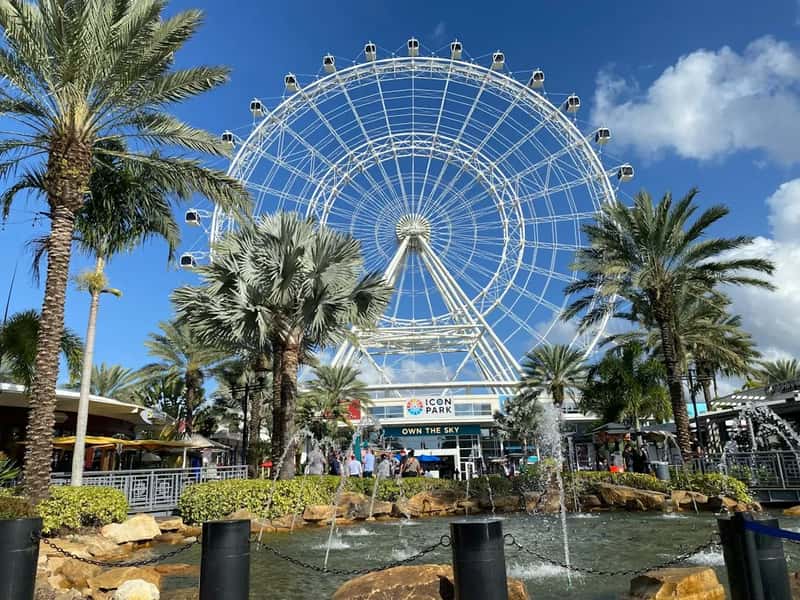
Separate from the theme parks themselves, the stretch of International Drive built around them tells a different story. This corridor of timeshare resorts, dinner theaters, and mid-century motor lodges grew up alongside Walt Disney World and Universal Studios in the 1970s and 1980s, catering to families who wanted an affordable home base near the parks. Many of those properties are still standing and still operating largely the same way they did decades ago.
The dinner shows and themed timeshare towers along that strip have a specific look and feel that reads as unmistakably retro, right down to the laminated menus and the medieval jousting theme at some of the longest-running venues. Younger travelers heading to Orlando today tend to book newer on-property hotels or short-term rentals instead, leaving International Drive’s older attractions to the crowd that has been returning since childhood.
Traditional mega-ship cruising
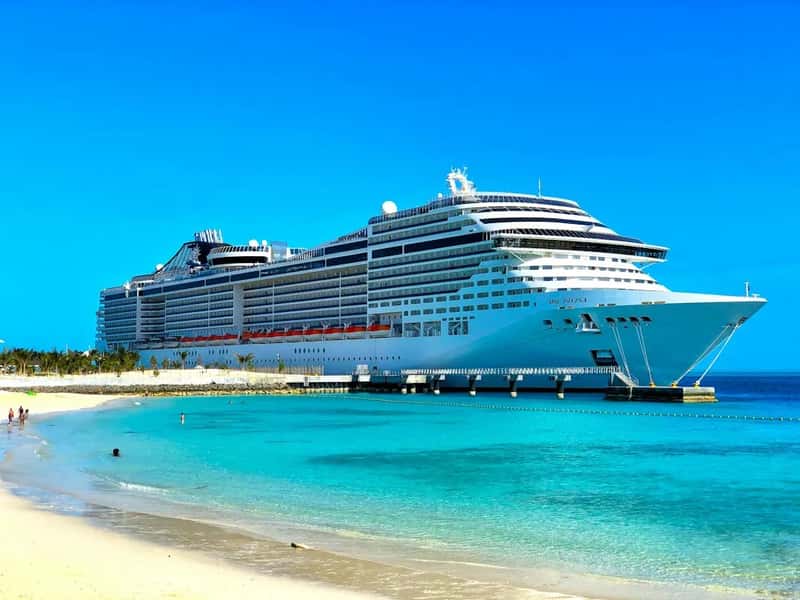
The classic cruise vacation, built around formal dining nights, shuffleboard courts, and midnight buffets, has long carried an image of an older, more leisurely traveler. That stereotype has been shifting in real time. Industry research from Las Vegas offers a useful parallel here, since in the summer of 2025, researchers found Gen Z travelers were spending more on entertainment, sightseeing, shopping, and sporting events than Millennial and Gen X visitors, though Gen X remained the biggest spender in traditional gambling.[8]
Cruise lines have responded with a similar recalibration, adding climbing walls, water parks, and nightclub-style entertainment to newer ships specifically to court younger passengers. Even so, the traditional cruise format, with its assigned dining times and structured onboard schedule, still carries an association with retirees and multigenerational family trips rather than spontaneous, independent travel. That reputation is fading, but it has not fully disappeared yet.
The takeaway

None of these nine places are actually gone, and most of them are doing just fine by their own measures of success. What has changed is not the destinations themselves so much as the vacation style each one represents, the buffet lines, the heart-shaped tubs, the boardwalk arcades that once defined an entire generation’s idea of a great trip.
There is nothing wrong with any of it. A dated vacation spot is really just a place that succeeded so completely at one era of travel that it became inseparable from it. The next generation will eventually build their own version of the same thing, and somebody younger will quietly think that looks a little old-fashioned too.