Many travelers notice a subtle architectural feature that instantly signals a Southern or coastal getaway. A veranda often sets the tone for relaxed evenings and ocean breezes in beach houses across the region. The distinction from a porch lies in both design and purpose, shaping how these spaces feel during a vacation. ([1])
The Core Difference That Changes Everything
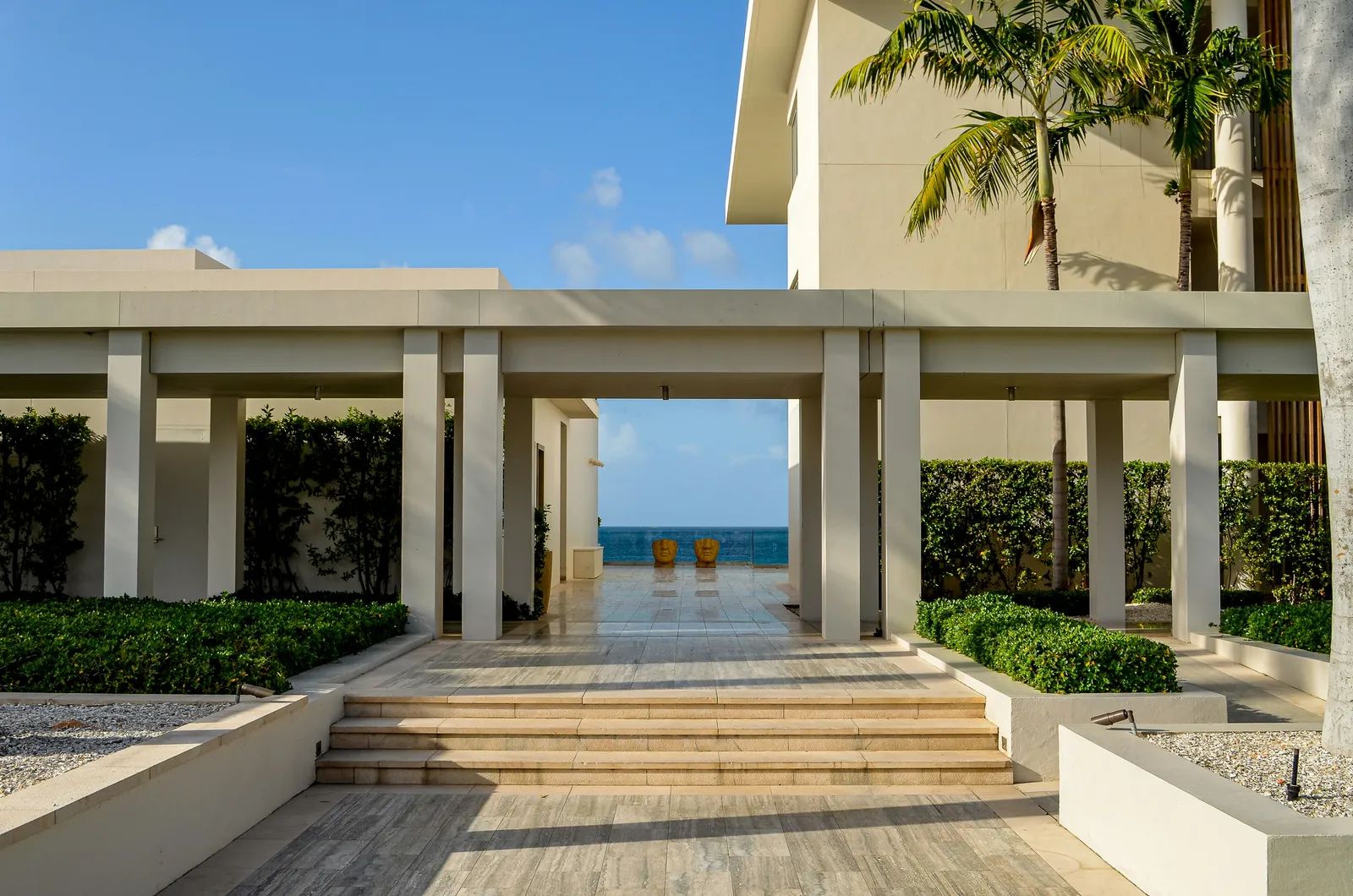
A porch typically attaches to the front or side of a home and stays open on one or more sides. It serves as a simple transition between indoors and the yard. A veranda, by contrast, usually wraps around multiple sides of the house and includes a roof supported by columns. This layout creates a more expansive outdoor room that invites lingering.
The roof and extended footprint give a veranda greater protection from sun and rain. Homeowners in humid climates appreciate how the design encourages airflow while shielding furniture and guests. The result feels more like an extension of the living space than a basic entry point.
Why Southern and Coastal Homes Favor Verandas
Historic homes along the Gulf Coast and Atlantic seaboard adopted verandas to cope with heat and humidity. The covered walkway allows air to circulate freely while keeping interiors cooler. Over time the feature became a signature element of regional architecture that visitors now seek in rentals.
Modern beach houses continue the tradition because the space supports the vacation mindset. Families gather there for morning coffee or evening meals without retreating inside. The design also frames views of the water or garden, turning everyday moments into memorable ones.
Practical Features That Enhance the Getaway Feel
Verandas often include ceiling fans, comfortable seating, and durable flooring suited to outdoor use. These elements turn the area into a true living zone rather than a pass-through. Owners frequently add potted plants or simple lighting to extend usability into the evening.
Porches tend to remain smaller and more functional, focused on quick transitions or greeting visitors. The veranda’s larger scale supports longer stays and social gatherings. Both structures add curb appeal, yet the veranda delivers a stronger sense of leisure that aligns with coastal escapes.
| Feature | Veranda | Porch |
|---|---|---|
| Roof Coverage | Full roof supported by columns | Partial or none |
| Typical Placement | Wraps multiple sides | Front or side only |
| Primary Use | Extended outdoor living | Entry or brief pause |
Choosing the Right Look for Your Next Stay
When booking a beach rental, checking photos for a wide, column-supported veranda can signal the relaxed atmosphere many travelers want. The feature often appears in properties that emphasize indoor-outdoor flow and Southern hospitality traditions. Guests who prioritize evening breezes and shaded seating tend to favor these homes over those with simpler porches.
The choice ultimately shapes daily routines during a trip. A well-designed veranda encourages slow mornings and unhurried dinners under cover. That quiet shift in pace remains one of the most appealing aspects of Southern and coastal escapes.