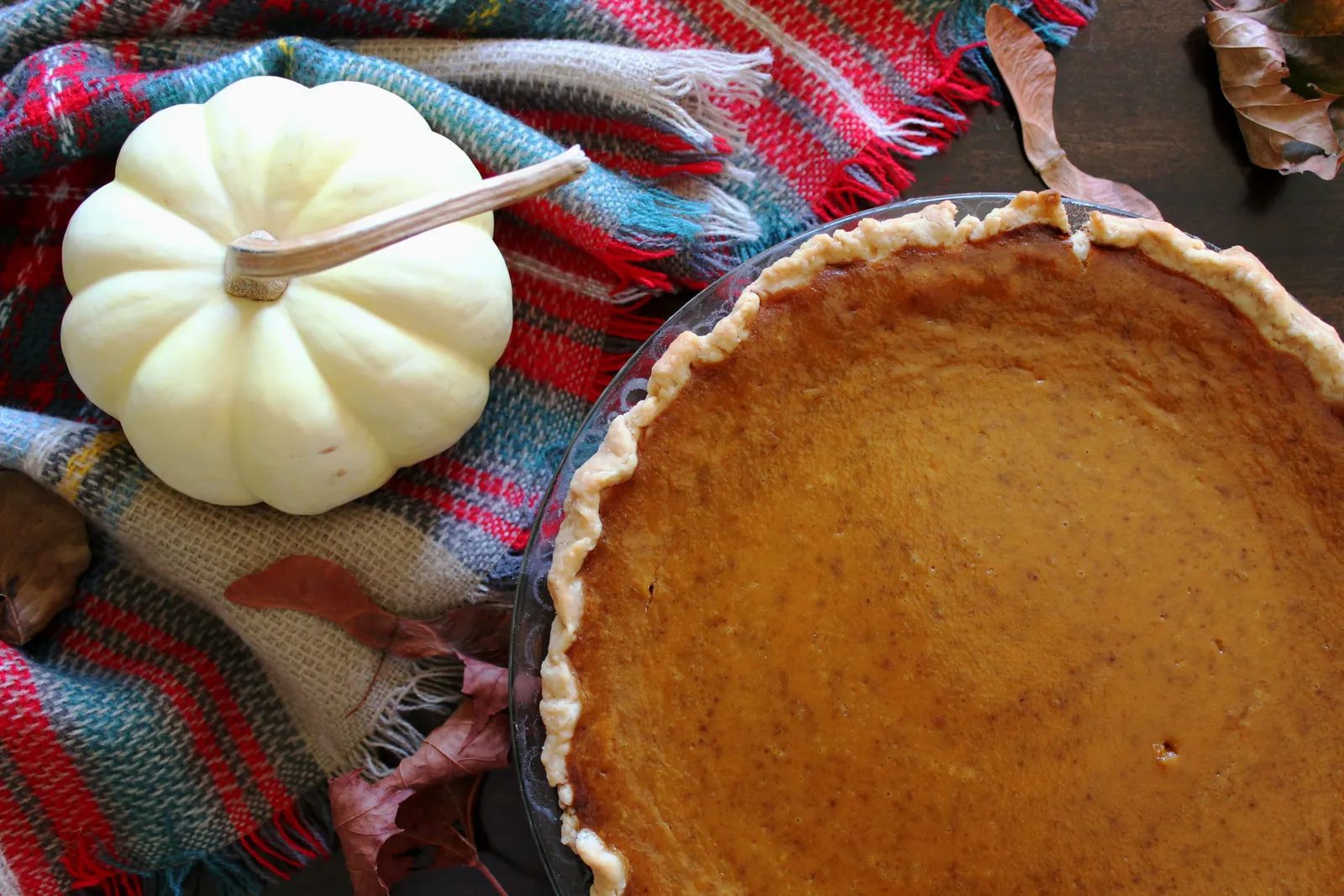
Thanksgiving gatherings often leave pumpkin pie on the counter for hours, yet the dessert contains eggs and milk that make it perishable. Food safety specialists emphasize that homemade and bakery versions belong in the refrigerator rather than at room temperature. The guidance comes from university extension services that track bacterial growth in custard-style fillings. ([1])
The Perishable Nature of the Filling
Pumpkin pie looks sturdy with its crisp crust and firm texture, but the filling behaves like a custard. Bacteria multiply quickly when the pie sits between 40 and 140 degrees Fahrenheit. Iowa State University Extension notes that this temperature danger zone applies directly to pies made with fresh dairy and eggs. The same concern covers pecan pies and other custard varieties. The two-hour limit on the counter stems from this biology rather than any property of pumpkin itself. USDA guidance aligns with the two-hour rule and shortens it to one hour when temperatures exceed 90 degrees. Time spent on a buffet or during serving counts toward the total. Once that window closes, the pie should return to the refrigerator or be discarded.
Rules That Vary by Pie Type
Homemade pumpkin pie and bakery versions made with fresh ingredients follow the strictest standards. Both require refrigeration after cooling. Store-bought pies sold unrefrigerated on shelves carry different instructions because manufacturers use shelf-stable ingredients and preservatives. The label on those products determines safe room-temperature storage. Pies that arrive from a refrigerated case in the store follow the homemade rules once purchased. Toppings such as whipped cream or cream cheese add another layer of care. Fruit pies differ because sugar and acidity help limit bacterial growth, allowing some to remain at room temperature longer under certain conditions.
Cooling and Wrapping the Right Way
A freshly baked pie needs complete cooling before it enters the refrigerator. Placing a warm pie under plastic wrap traps moisture and softens the crust. Iowa State University Extension recommends cooling the pie fully, chilling it uncovered until cold, and then wrapping it loosely. If two hours pass before the pie reaches room temperature, it can move to the refrigerator unwrapped to stay within safety limits. A refrigerator set at 40 degrees or below provides the best environment. Once chilled, the pie keeps its quality for several days when stored properly. Leftovers should return to the refrigerator promptly after the first serving round to avoid cumulative time at room temperature.
Serving Without Exceeding Limits
Plan serving so the pie spends minimal time outside the refrigerator. Removing it only a few minutes before guests eat allows the filling to soften slightly while staying within the two-hour window. Any remaining slices go back into the refrigerator right away. A cooler with ice packs offers a practical alternative when refrigerator space runs short during large gatherings. Outdoor spots such as porches or garages do not substitute for controlled refrigeration. Temperatures fluctuate and attract animals, creating additional risks. When in doubt about how long a pie has sat out, discarding it remains the safest choice.
Store-Bought Exceptions and Final Checks
Commercially produced pies displayed at room temperature carry sell-by dates that guide storage. Refrigerating them upon arrival home is never incorrect. Once cut, even these pies benefit from refrigeration for leftovers. Visible mold, off odors, or uncertainty about time out of the refrigerator all signal that the pie should be thrown away. Following these steps keeps the dessert safe through the holiday season. Proper handling protects guests while preserving the pie’s texture and flavor for later enjoyment.