Billionaire counts usually get sorted by raw totals, which is why the same handful of giants, the United States, China, India, always dominate the headlines. Flip the math around and divide by population, though, and an entirely different map appears. Tiny nations with harbor views or favorable tax codes suddenly outrank economic superpowers, and the story shifts from sheer output to concentration.
1. Monaco
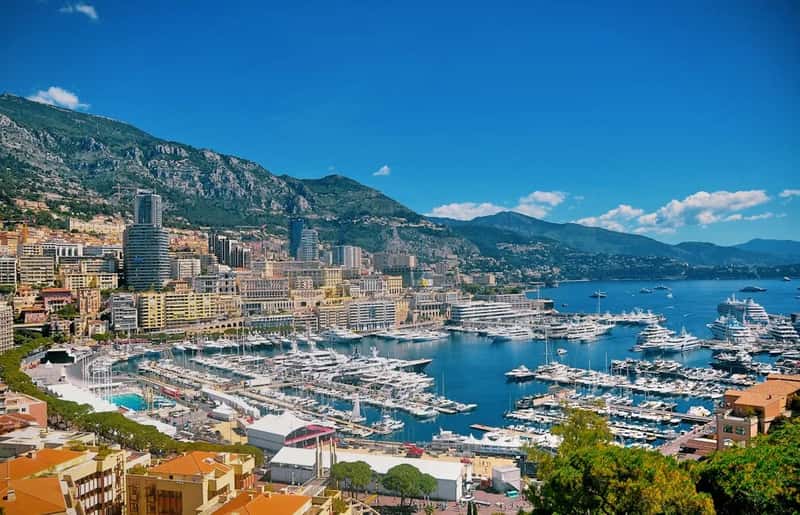
Monaco sits at the top of every serious billionaire density ranking, and by a wide margin. Measured by billionaires per person, the tiny principality of Monaco leads the world by a wide margin, with about 77 billionaires per million residents.[1] Given that Monaco’s entire population is smaller than a mid-sized American town, even a handful of resident billionaires produces a staggering ratio.
The principality’s appeal isn’t a mystery. Zero personal income tax, a stable political system, and a location wedged between the French Riviera and the Mediterranean make it a magnet for people who’ve already made their fortunes elsewhere. At least three Forbes-listed billionaires officially reside there, about one for every 13,000 inhabitants, an unrivalled ratio.[2] It’s less a story of wealth creation than wealth relocation, but the numbers speak for themselves.
2. St. Kitts and Nevis
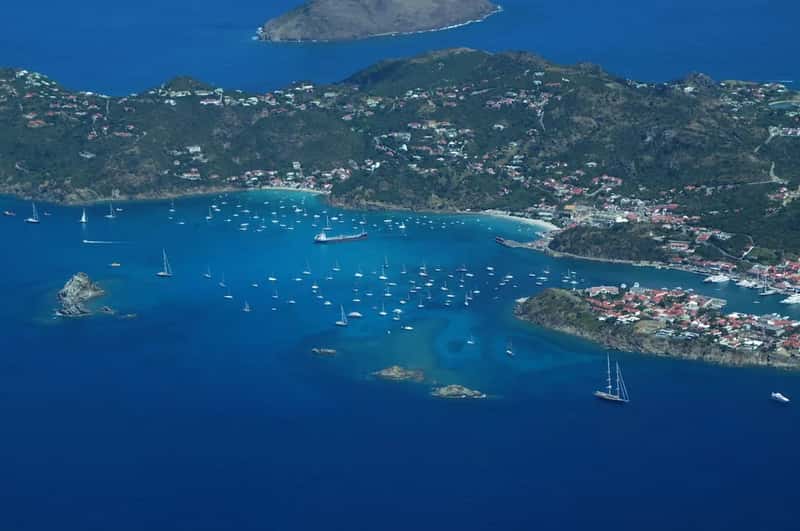
This twin-island nation in the eastern Caribbean rarely comes up in casual conversation about global wealth, yet it lands near the top of per-capita billionaire lists. St. Kitts and Nevis carries roughly 43 billionaires per million people, according to compiled data on billionaire birthplaces and residency.[3] With a total population well under 50,000, even a tiny number of ultra-wealthy residents skews the ratio dramatically.
Much of this comes down to citizenship-by-investment programs that have made the country an attractive base for international business figures. It’s a pattern seen across several small Caribbean and offshore jurisdictions: minimal population size combined with investor-friendly policy produces outsized per-capita figures. The country doesn’t generate this wealth domestically so much as host it.
3. Hong Kong
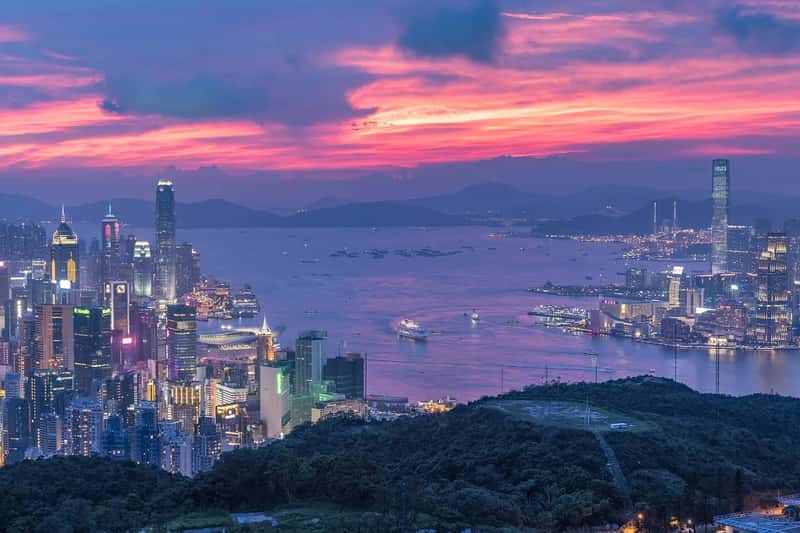
Hong Kong occupies a unique position in these rankings. Technically a special administrative region of China rather than a sovereign country, it’s still treated as its own entity in nearly every billionaire dataset because of how distinct its financial system and population remain. When population is taken into account, affluent Asian financial hubs emerge on top, with Hong Kong home to an average of 9.4 billionaires per million citizens, followed by Singapore with 9.1 billionaires per million people.[3]
Real estate and finance are the twin engines behind this concentration. Hong Kong’s high density of millionaires stems from its real estate and financial sectors and relatively smaller population.[4] Decades as a gateway between mainland Chinese capital and global markets have let a compact territory accumulate an outsized share of Asia’s fortunes, even as broader economic growth in the region has cooled somewhat in recent years.
4. Singapore
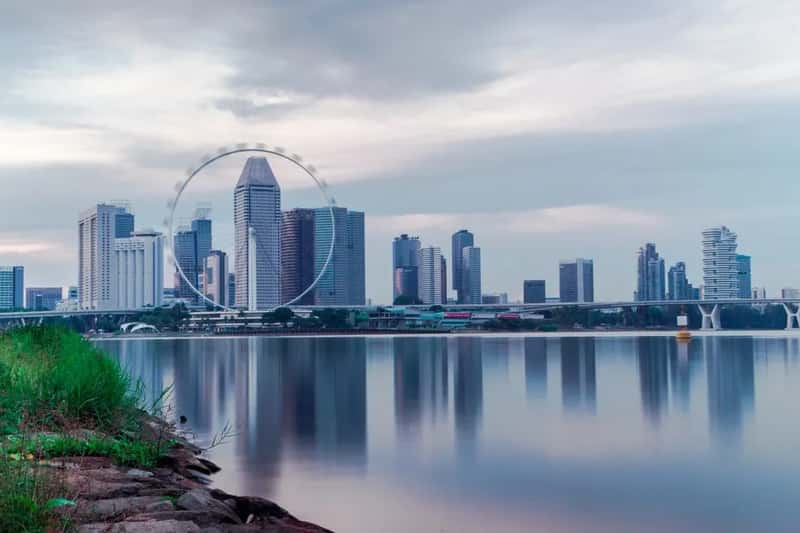
Singapore’s climb up these rankings mirrors its transformation into one of Asia’s premier wealth management hubs. Singapore counts roughly 9.1 billionaires per million people[3], placing it just behind Hong Kong but ahead of nearly every other country its size. The city-state’s low tax burden on capital and its reputation for political and legal stability have made it a preferred landing spot for wealthy individuals from across the region, not just homegrown tycoons.
Family conglomerates in property, shipping, and consumer goods form the backbone of Singapore’s billionaire class, alongside a growing number of foreign entrepreneurs who’ve relocated there. The broader wealth base supports this too. Singapore has been recognized as having one of the highest GDP per capita figures in the world, which helps explain why its concentration of the ultra-rich has kept climbing even as global wealth growth slowed elsewhere.
5. Cyprus
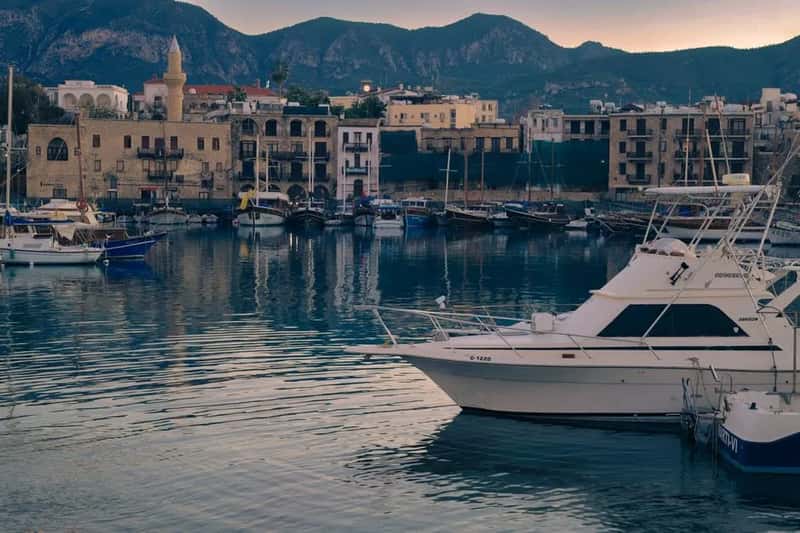
Cyprus doesn’t get nearly the attention that Monaco or Switzerland do, but the numbers put it solidly in the upper tier. Cyprus appears third among affluent hubs with around 7 billionaires per million people[3], a striking figure for a Mediterranean island nation of just under a million residents.
Shipping magnates have historically anchored much of Cyprus’s billionaire population, a legacy of the island’s long maritime tradition. In recent years, favorable corporate tax rates and a citizenship-by-investment scheme, though later scaled back under EU pressure, added residents with fortunes built elsewhere. The result is a small country with an outsized presence on the global rich list relative to its size.
6. Switzerland
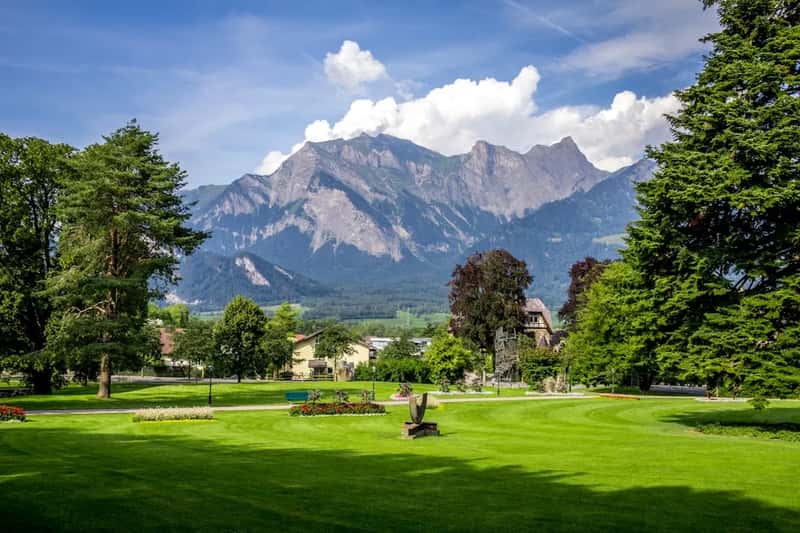
Switzerland’s reputation as a wealth haven predates most of the countries on this list, and it still holds up. Switzerland, Sweden, and Israel follow the leaders with an average of roughly 4 ultra-rich individuals per million people living there.[3] That might sound modest next to Monaco’s figures, but for a country of nearly nine million people, it represents a genuinely deep concentration of billionaire wealth.
Banking secrecy laws have loosened considerably since the early 2000s, yet Switzerland’s appeal to the wealthy hasn’t faded. Switzerland leads globally with 145.6 millionaires per 1,000 adults, meaning roughly one in seven Swiss adults is a millionaire[4], a broader wealth base that naturally produces a thick layer of billionaires at the top as well. Pharmaceutical fortunes, commodity trading houses, and a still-robust private banking sector all feed into the total.
7. Sweden
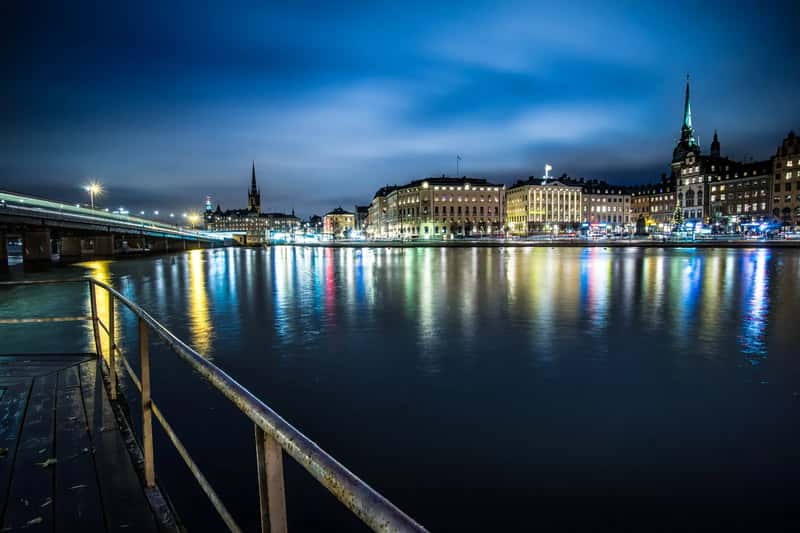
Sweden is an unexpected name on a billionaire density list, given its reputation for high taxes and a strong social safety net. Yet the country sits alongside Switzerland and Israel with roughly four billionaires per million residents. Family-controlled industrial groups, many dating back generations, have quietly built and preserved enormous fortunes even as the country’s tax structure remains famously progressive for ordinary earners.
Part of the explanation lies in how Swedish tax policy treats capital differently from income. Wealth taxes were abolished decades ago, and inheritance taxes followed soon after, letting family fortunes compound across generations without the erosion seen in some other high-tax nations. The result is a small population producing a disproportionate number of the ultra-wealthy, concentrated heavily in a handful of dynastic business empires.
8. Israel
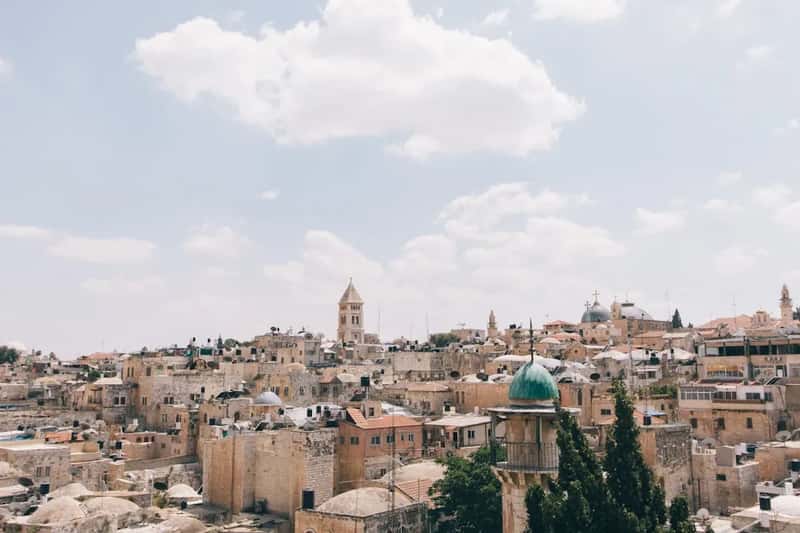
Israel rounds out the trio of countries with roughly four billionaires per million residents, a notable achievement for a nation of under ten million people situated in a historically volatile region. Much of this wealth traces back to the country’s outsized technology sector, often described as producing more startups per capita than almost anywhere else in the world.
Venture capital flowing into Israeli tech firms, combined with a steady stream of successful exits and acquisitions by larger global companies, has created a pipeline of new billionaires that didn’t exist a generation ago. Diamond trading and real estate add further layers to the country’s wealth base. It’s a case where innovation, rather than tax policy or tourism, drives much of the per-capita concentration.
9. Luxembourg
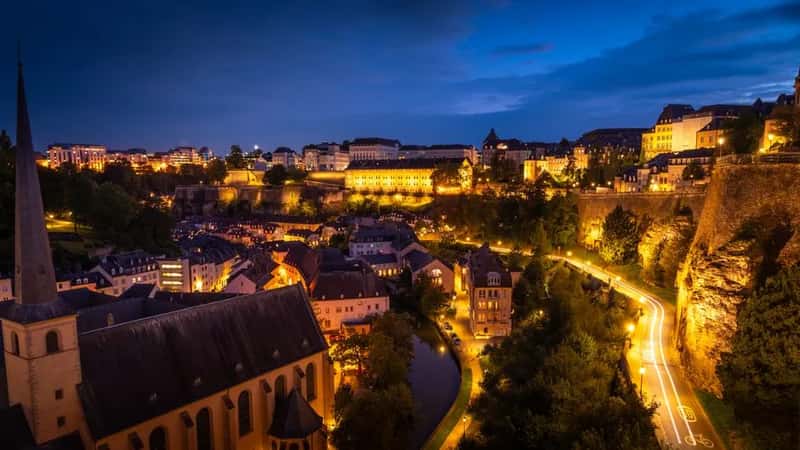
Luxembourg rarely makes headlines outside of financial circles, but its economic profile practically guarantees a strong showing on any wealth density list. Luxembourg requires a net wealth of $10.8 million to enter the top one percent of earners[5], one of the highest thresholds anywhere in the world, which hints at just how concentrated fortunes are within its borders.
With a population of roughly 660,000, Luxembourg has built its economy almost entirely around financial services, investment funds, and favorable corporate structuring. That specialization draws wealthy individuals and family offices from across Europe looking for a stable, business-friendly base inside the EU. The country doesn’t produce billionaires through industry so much as it attracts and retains them through policy design.
10. Taiwan
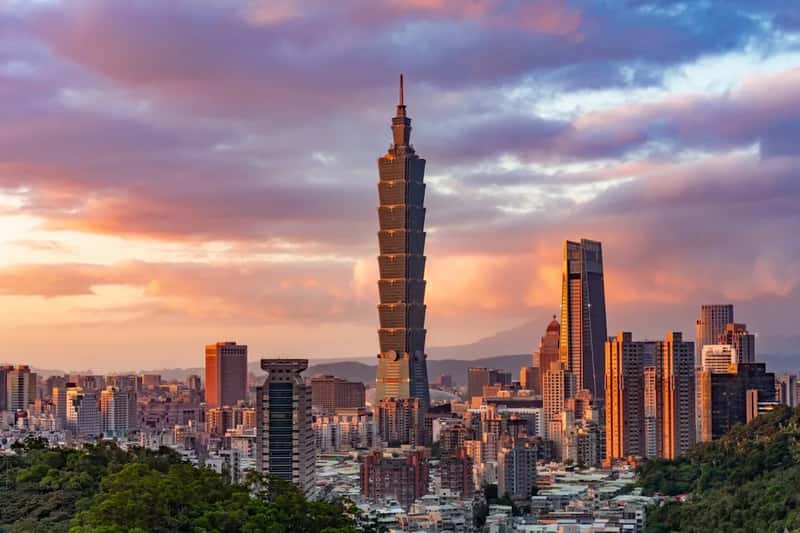
Taiwan’s inclusion in this list reflects a genuine shift in the global economy rather than a tax-driven anomaly. The island nation’s growing billionaire class is emblematic of the country’s dominance in electronics manufacturing, with its five richest billionaires all owing their fortunes to electronics.[6] This is homegrown wealth, built on decades of semiconductor and hardware manufacturing expertise.
Taiwan’s position as the world’s leading producer of advanced chips, largely through companies tied to the global semiconductor supply chain, has translated directly into personal fortunes for the founders and major shareholders behind these firms. Taiwan climbed to the number 10 spot among countries with the most billionaires[6] in recent rankings, a rise driven almost entirely by the technology sector rather than financial engineering or residency incentives. For a population of roughly 23 million, that’s a meaningful concentration of wealth built on industrial output rather than tax arbitrage.
What the rankings actually reveal
Look closely at this list and two very different stories emerge. Places like Monaco, St. Kitts and Nevis, and Luxembourg attract wealth that was built somewhere else, while Taiwan, Israel, and to some extent Singapore have generated fortunes through their own industries, whether semiconductors, technology, or finance. The per-capita billionaire rankings expose one of the most important analytical distinctions in global wealth data: the difference between countries that create billionaires and countries that attract billionaires.[7]
Neither pattern is inherently better or worse, but they tell you very different things about an economy. A country creating billionaires through industry usually signals a deep, competitive private sector. A country attracting them through low taxes signals something else entirely, a policy environment optimized for capital retention rather than capital creation. Understanding which category a given country falls into matters more than the raw ranking number itself.