South America is a continent of extremes. You have sprawling jungles, glittering coastlines, ancient civilizations buried beneath modern cities, and some of the most passionate people on the planet. But the region also carries a heavier burden, one that rarely makes the travel brochures. Crime, organized violence, and narcotrafficking remain deeply embedded challenges across the continent, though the picture is far from uniform. Some countries are genuinely safe by global standards. Others are among the most dangerous places on Earth.
What follows is a gallery-style ranking of South American countries by crime level, going from the lowest to the highest, backed by data from the Numbeo Crime Index 2025, the Global Peace Index 2024, and reports from the UNODC, InSight Crime, and Human Rights Watch. So let’s dive in.
#1. Uruguay – The Continent’s Safest Bet
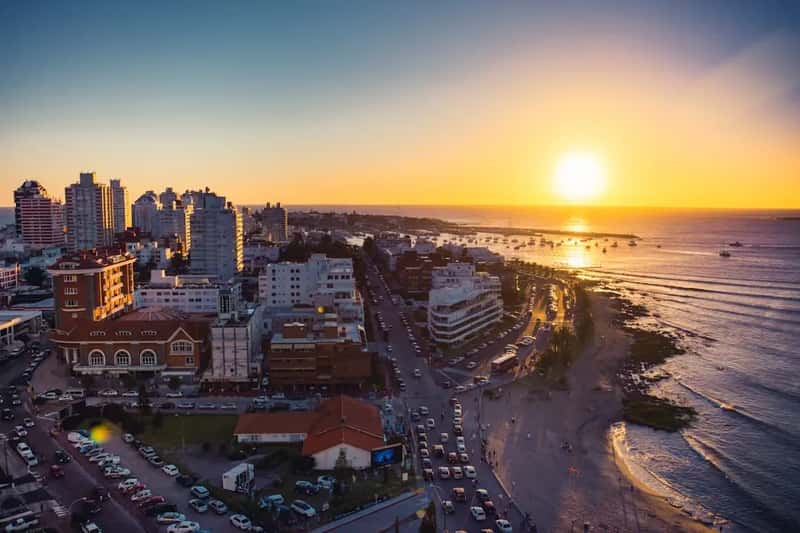
According to the Numbeo Crime Index for 2025, Uruguay holds the lowest crime index score in all of South America, sitting at 52.0 with a corresponding safety index of 48.0. That gap might look small in isolation, but compared to the rest of the continent, it is genuinely impressive. Honestly, Uruguay is as close to a European-style stability as South America gets.
Political stability, strong rule of law, and minimal violent crime have made Uruguay a model of peace for decades. Unlike other Latin nations, it has kept drug cartels largely at bay. On the Global Peace Index 2025, Uruguay sits comfortably at 46th in the world, a rank that reflects its long-standing reputation as Latin America’s Switzerland.
Often called the “Switzerland of Latin America,” Uruguay earns its top spot with exceptional democratic stability and the region’s most reliable institutions. Its progressive social policies, excellent healthcare system, and educated population create a European-style living environment in South America. The country’s long-standing political stability and transparent government make it ideal for those seeking predictable, secure living conditions.
#2. Paraguay – A Surprising Turnaround
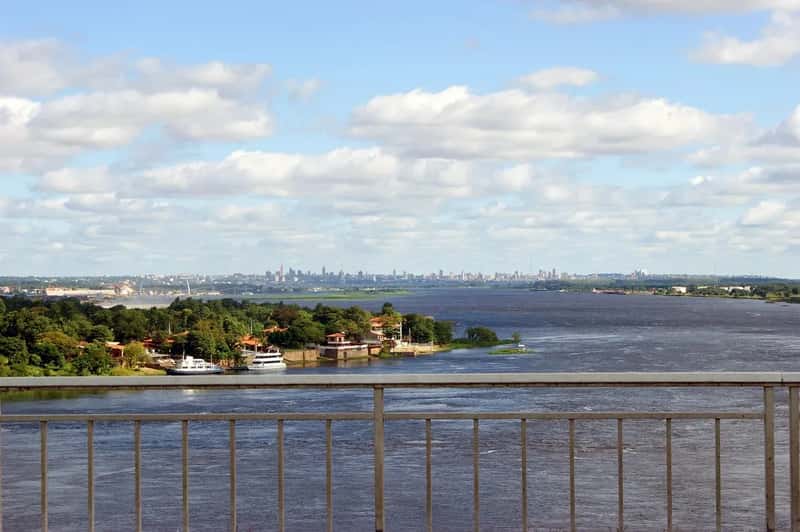
Paraguay scores a 59.8 on the Numbeo Crime Index 2025, placing it second safest in South America. Many people raise an eyebrow at this, and that reaction is understandable. Paraguay was once branded one of the continent’s hottest spots for organized crime and contraband smuggling.
Paraguay’s turnaround is striking. Just years ago, it was branded one of the world’s hotspots for organized crime. That changed under President Santiago Peña, whose security push drove homicides down to 6.2 per 100,000 in 2023, one of the lowest in the region. A steady economy and falling unemployment have reinforced that progress.
Paraguay is one of the least-visited countries in South America, but also one of the safest, with a Level 1 travel advisory as of mid-2025. In upscale Asunción districts like Villa Morra and Las Lomas, or in border towns like Encarnación, crime is mostly limited to petty theft. That is a remarkable shift from its previous reputation.
#3. Chile – High Standards, Growing Challenges
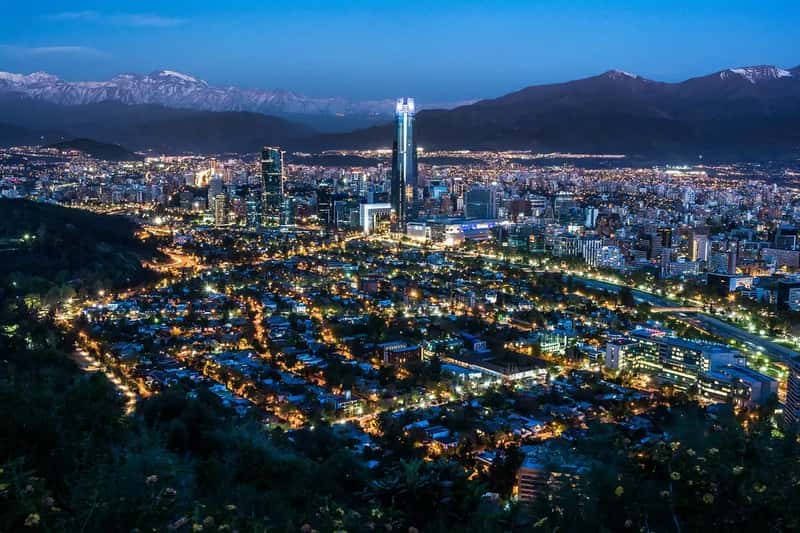
Chile scores 60.5 on the Numbeo Crime Index 2025, making it the third safest country in South America by this measure. That number, though, tells only part of the story. Chile remains far ahead of most of its neighbors but has seen its standing slip somewhat in recent years.
According to the Global Peace Index 2024, Chile ranks second in South America for safety and 58th globally, just behind Uruguay. Its homicide rate sits at 4.4 per 100,000, well below the Latin American average. For context, the regional average sits multiples above that figure. Think of Chile as a country where the baseline feels more like southern Europe than Latin America.
While once considered the safest country in Latin America, Chile has experienced a slip in its Global Peace Index in recent years due to the local government’s lack of response to reforming the country’s national police following its repressive actions against social protests in 2019. Still, when compared to other South American countries, Chile is still a relatively safe destination, with the majority of its security risks attributed to civil unrest in dense urban areas.
#4. Colombia – Better Than Its Reputation
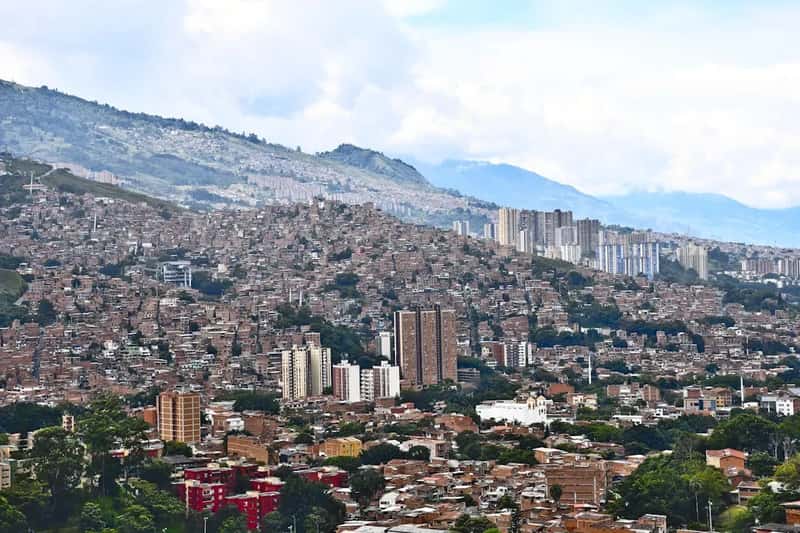
Colombia scores 60.9 on the Numbeo Crime Index 2025. For a country that once defined the global image of drug cartel violence, this ranking feels quietly revolutionary. Colombia has worked hard to shed its most infamous chapters, and the data, at least in relative terms, reflects genuine progress.
Colombia scores 7.8 on the Global Organized Crime Index, one of the highest overall criminality scores in the world, indicating persistent challenges with organized criminal activity. So the picture is mixed. Perception-based safety scores have improved, but deep structural challenges remain, particularly in regions outside Bogotá and Medellín.
Uruguay, for example, sits just outside the top 25% of the world’s safest countries. However, at least two South American nations, Colombia and Venezuela, rank among the world’s most dangerous countries. Colombia sits in that uneasy middle ground, safer than it was, but still carrying risks that demand awareness. Medellín’s transformation from the world’s most dangerous city to a tourism hotspot is real. The countryside tells a different story.
#5. Argentina – Safe Streets, Economic Chaos

Argentina scores 63.4 on the Numbeo Crime Index 2025. Here is a country where the disconnect between headlines and ground-level safety is almost comical. You hear about peso devaluations and IMF negotiations constantly, but on the streets of Buenos Aires, violent crime targeting tourists is genuinely rare.
Despite its well-known economic ups and downs, Argentina maintains impressive safety fundamentals with the region’s lowest homicide rate at just 3.8 per 100,000 people. The country manages violent crime effectively and offers established communities, particularly in Buenos Aires and Mendoza.
The U.S. State Department lists Argentina as Level 1: Exercise Normal Precautions, putting it in the same category as countries like France or Japan. Despite austerity measures tied to its economic crisis, Argentina has avoided the large-scale protests and unrest that many had anticipated. Improving indicators, most notably a sharp drop in inflation and unemployment, are adding to a sense of stability and safety. Not bad for a country that seems to lurch from one economic crisis to the next.
#6. Brazil – A Giant With Deep Wounds
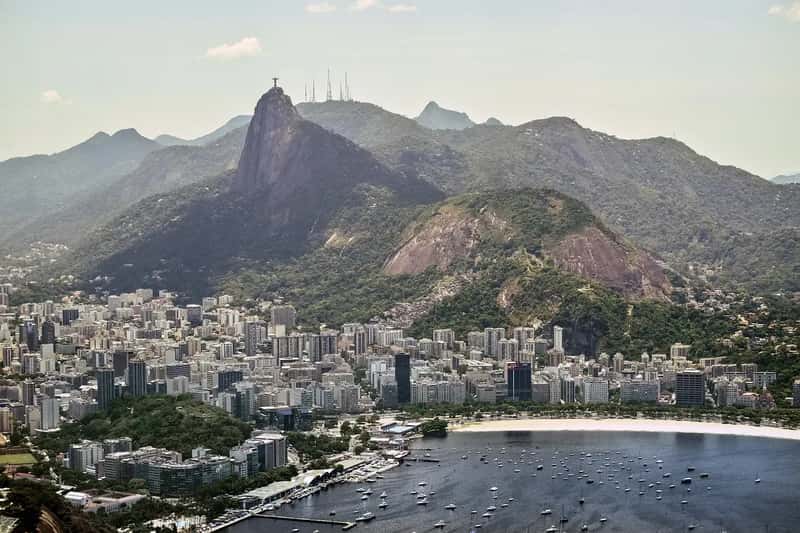
Brazil scores 64.5 on the Numbeo Crime Index 2025, placing it in the middle of the South American pack but revealing a country of deeply uneven security realities. This is a nation of over 200 million people. Averages only go so far when individual cities like Salvador, Fortaleza, and Recife consistently rank among the most violent urban centers on Earth.
According to Numbeo’s current city-level data, Brazilian cities dominate the continent’s most dangerous list, with Salvador scoring 76.3, Fortaleza 75.9, Rio de Janeiro 75.3, and Recife 75.0 on the crime index. Those numbers are staggering. It is like comparing calm, prosperous Florianópolis to the bloodied streets of certain Rio favelas. They are almost different countries within the same borders.
Brazil is one of the countries that has the largest inequality in terms of the gap between the very wealthy and the extremely destitute. A huge portion of the population lives in poverty. The incidence of violent crime, including muggings, armed robbery, murder, and sexual assault is high, particularly in Rio de Janeiro, Recife, and other large cities.
#7. Bolivia – Rising Numbers, Complex Dynamics
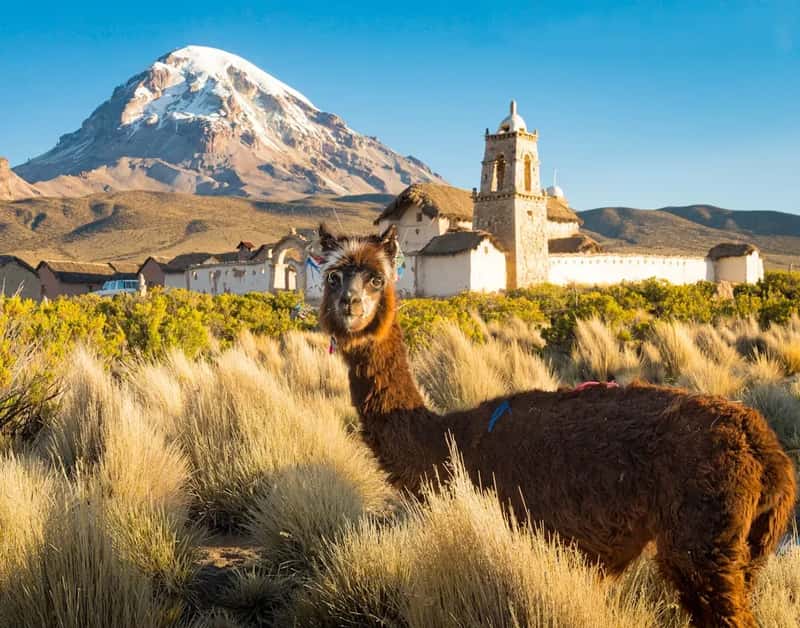
Bolivia scores 65.0 on the Numbeo Crime Index 2025, placing it higher in terms of perceived crime than both Brazil and Argentina. That said, Bolivia’s crime landscape is more complex than a single number suggests. Petty theft and civil unrest remain the primary concerns for visitors, rather than organized violent crime of the kind seen in neighboring countries.
As of mid-2025, Bolivia holds a Level 2 travel advisory, due to civil unrest and the possibility of demonstrations. The country has long struggled with political instability, and that backdrop tends to elevate perceptions of insecurity even when outright violent crime remains comparatively contained. It is the kind of place where a street protest can erupt suddenly but a mugging feels less likely than in many neighboring capitals.
Drug trafficking routes do pass through Bolivia’s territory, linking the major coca-producing zones of the Andes with onward transit networks. This geographical reality means that organized crime operates in the country, even if it is not always visible to urban residents or tourists. The coca leaf is culturally sacred in Bolivia, but the cocaine trade that runs through its borders is anything but peaceful.
#8. Guyana – Small Nation, Serious Crime Pressures
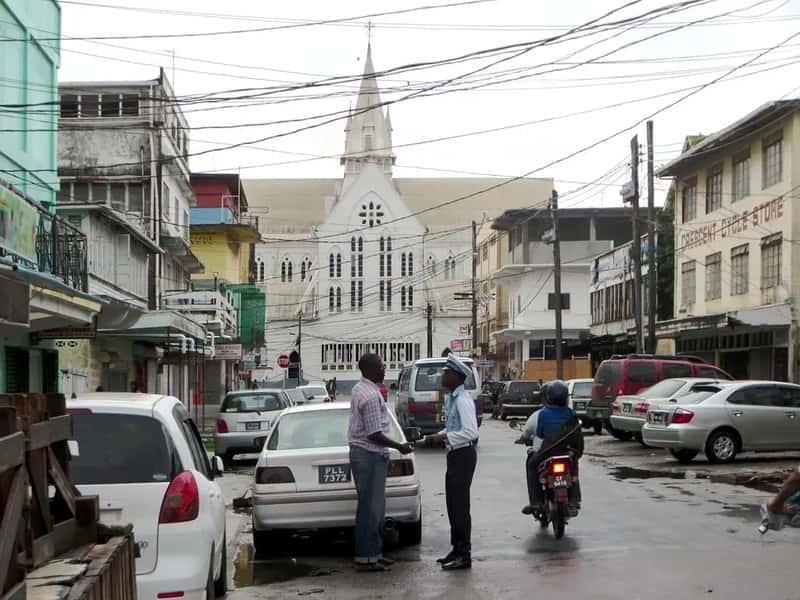
Guyana scores 66.3 on the Numbeo Crime Index 2025, placing it among the higher-crime nations in South America despite its relatively small population. This ranking often surprises people. Guyana rarely features in discussions about South American crime, partly because it is a small country and partly because it sits somewhat apart from the continent’s dominant narrative.
Guyana has seen significant economic transformation in recent years, largely driven by offshore oil discoveries. That rapid influx of wealth has not been evenly distributed, and the resulting inequality, combined with relatively weak institutional capacity, creates fertile ground for crime to flourish. Think of it like a gold rush town: money arrives fast, but governance struggles to keep pace.
More than 40 of the 50 most dangerous cities in the world are located in Latin America and the Caribbean, as well as two of the twenty countries with the least peace in the world according to the Global Peace Index. Guyana’s position in this regional context makes its elevated crime index less surprising when seen against the backdrop of broader Caribbean and South American crime pressures, including drug trafficking routes that run through its territory.
#9. Peru – Organized Crime’s Expanding Reach
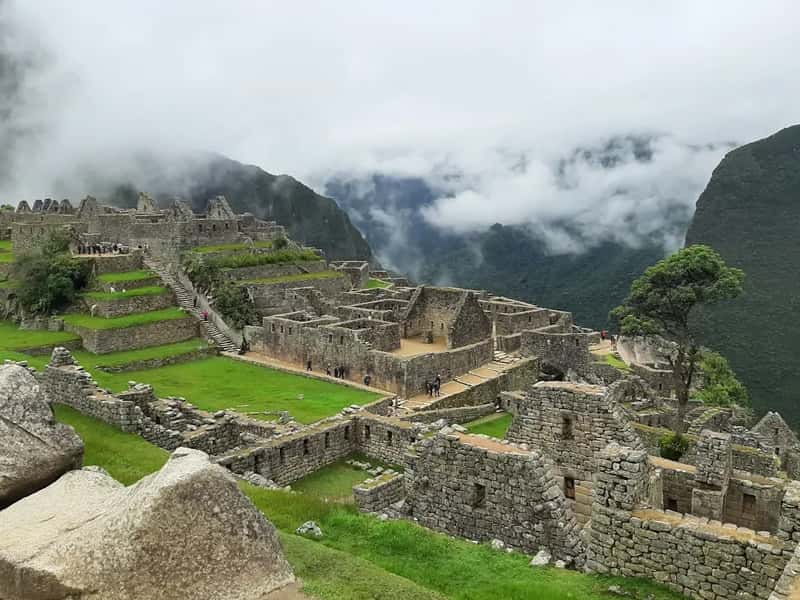
Peru scores 67.1 on the Numbeo Crime Index 2025, making it the second-highest crime-scoring country in South America, behind only Venezuela. That is a jarring fact for a country most people associate primarily with Machu Picchu and stunning Andean landscapes. The tourism industry tells one story. The VRAEM valley tells another.
Peru is one of the largest cocaine producers globally. Organized crime in Peru is heavily influenced by this trade, making it rank among the top in Latin America. The country sees significant activity from drug trafficking organizations, particularly in coca-growing regions like the VRAEM (Valley of the Apurímac, Ene, and Mantaro Rivers), where violence and criminality are rampant.
The homicide rate is 7.8 per 100,000, slightly higher than its safer neighbors but still far below the Latin American average. Most tourist incidents involve scams or petty theft in hotspots like Lima and Cusco, rather than violent crime. The U.S. State Department assigns Peru a Level 2: Exercise Increased Caution, mostly due to occasional civil unrest and crime in specific areas like the Peruvian Amazon or northern border regions. It is a country where you can have a perfectly safe and magical trip, or walk into serious danger, depending entirely on where you go.
#10. Venezuela – The Continent’s Crime Capital
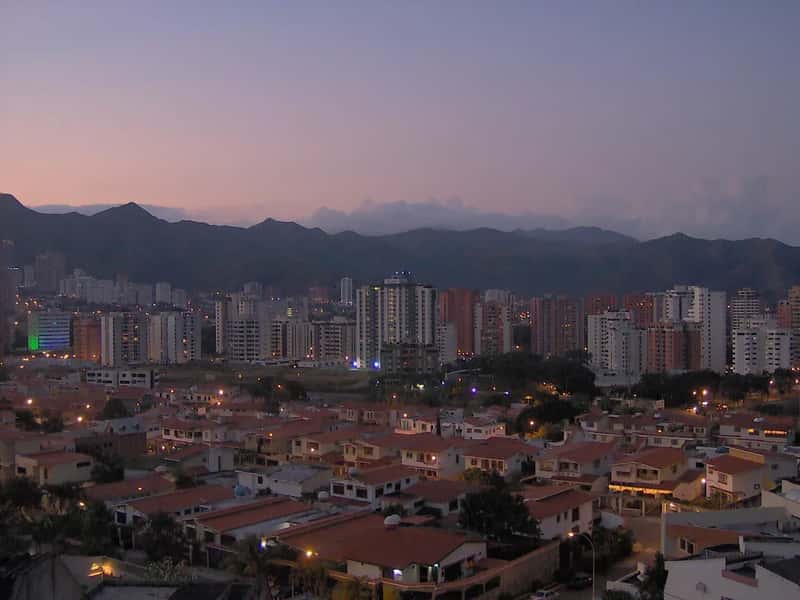
Venezuela has a crime index of 80.7, the highest of any country in the world, according to 2025 Numbeo data. That is not a regional superlative. That is a global one. No other country on Earth scores higher on this metric right now, and it reflects a reality that has been building for years through institutional collapse, economic devastation, and the rise of armed groups with near-total impunity.
The U.S. Department of State has issued a Level 4 travel advisory for Venezuela, indicating that it is unsafe to travel to the country. Venezuela’s high crime rates have been attributed to causes that include government corruption, a flawed judiciary system, and the breakdown of the Rule of Law. In the corruption index, Venezuela has earned the unfortunate distinction of being the most corrupt country in Latin America, with a meager score of 14 in 2023.
Recent reports suggest the drop in some crime figures is not a consequence of increased measures to prevent crime by the Venezuelan state. Rather, criminal gangs such as Tren de Aragua decided to expand their borders to other countries due to lacking economic conditions, which impacted the ability of criminal organizations to make money inside Venezuela. Venezuela’s ongoing economic crisis has squeezed both ordinary citizens and the country’s criminal groups. Economic decline in the labor and commercial sectors has left businesses and citizens unable to pay criminal groups, reducing opportunities for extortion and ransom kidnappings. In a grim twist, Venezuela’s collapsing economy has exported its crime problem to the rest of the continent.
The takeaway from this ranking is stark. While none of South America’s countries rank in the top 25% of all countries for safety, several, including Uruguay, Chile, Argentina, and Paraguay, fall within the top half of the 163 countries evaluated by the Global Peace Index. The gap between the continent’s safest and most dangerous nations is enormous, wider than most people realize. What country on this list surprised you the most?