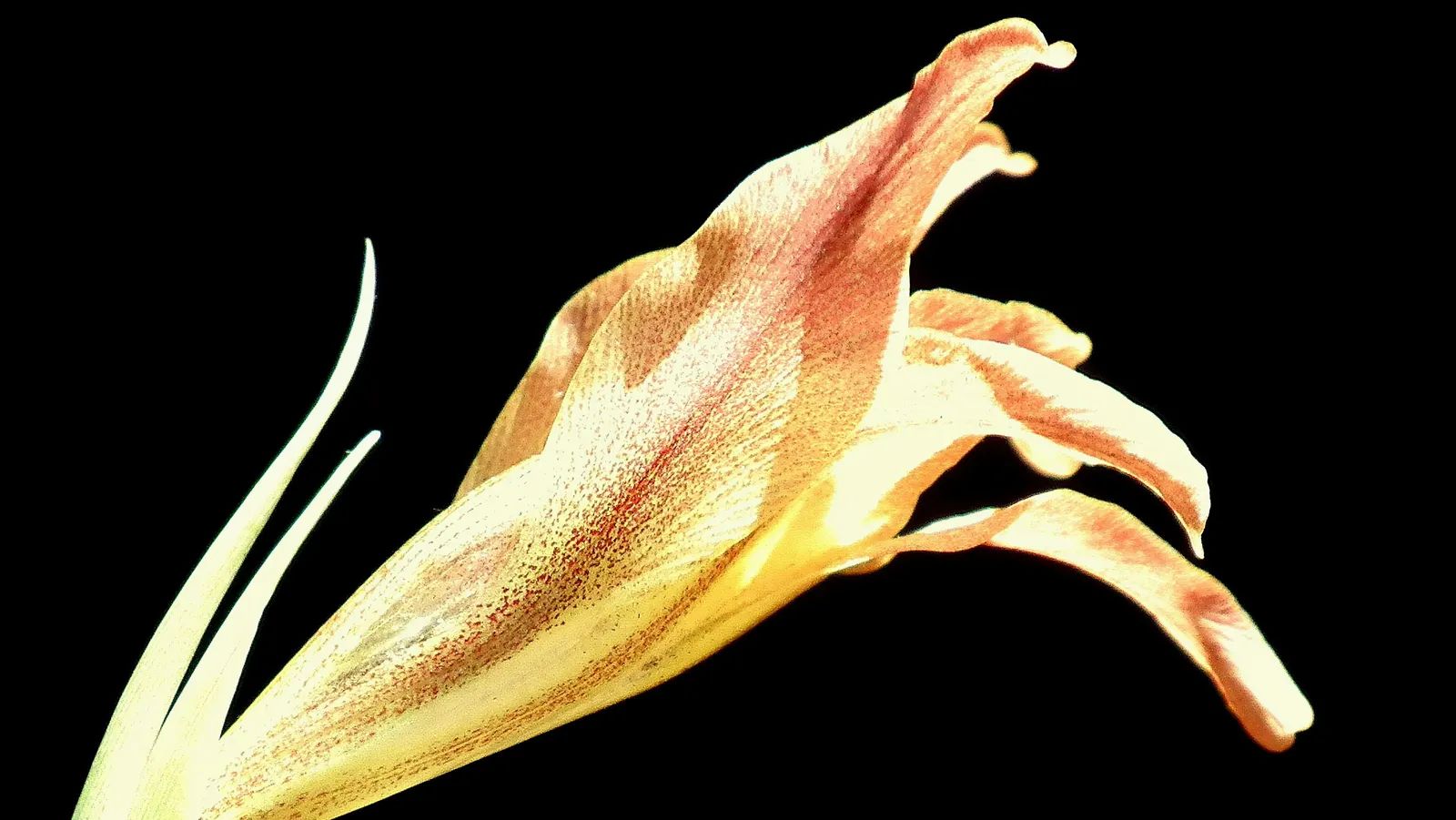
In the remote jungles of Sarawak, Malaysian Borneo, the Rhizanthes lowii stands out as one of nature’s more unusual creations. This rare parasitic flowering plant has evolved an odor that closely resembles rotting flesh, a trait that draws flies to assist with pollination. Its blooms appear for only a few days at a time, adding to the challenge of observing the species in its threatened forest habitat. ([1])
An Evolutionary Adaptation for Survival
Parasitic plants like Rhizanthes lowii lack the ability to produce their own food through photosynthesis. Instead, they draw nutrients from host trees in the surrounding rainforest. The strong, unpleasant scent serves a precise purpose by mimicking decay, which attracts specific fly species that normally feed on or lay eggs in rotting material. These insects inadvertently transfer pollen as they move between flowers. The strategy proves effective in the dense, shaded understory where other pollinators might struggle to locate the plant. Over time, this adaptation has allowed the species to persist despite its limited visibility and brief flowering period.
A Short-Lived Spectacle in the Canopy
The flowering phase of Rhizanthes lowii lasts just a few days, after which the bloom fades quickly. This narrow window means that even researchers or visitors in the area have limited opportunities to witness the event. The plant’s emergence depends on specific environmental conditions within the jungle, including moisture levels and the presence of suitable host trees. Because the bloom is so fleeting, sightings often rely on local knowledge of when and where the plant is likely to appear. The short duration also underscores the species’ vulnerability, as any disruption during this critical time can affect reproduction.
Threats to Its Forest Home
Rhizanthes lowii grows in the jungles of Sarawak, a region known for its rich biodiversity and some of the planet’s most distinctive plant life. The forests there face ongoing pressures from human activity, which has placed the plant on the endangered list. Remote locations offer some protection, yet habitat loss continues to shrink the areas where the species can thrive. Conservation efforts in Malaysian Borneo aim to safeguard these ecosystems, recognizing that the loss of such specialized plants signals broader changes in the environment. The plant’s dependence on intact rainforest highlights the interconnected nature of the habitat.
Why This Species Captures Attention
The combination of its parasitic lifestyle, distinctive odor, and brief bloom makes Rhizanthes lowii a compelling example of adaptation in extreme conditions. Travelers and naturalists drawn to Borneo’s wilderness often seek out unusual flora as part of their experience in the region. Observing the plant requires patience and respect for the forest’s delicate balance. Its presence serves as a reminder of the intricate relationships that sustain life in these threatened landscapes.