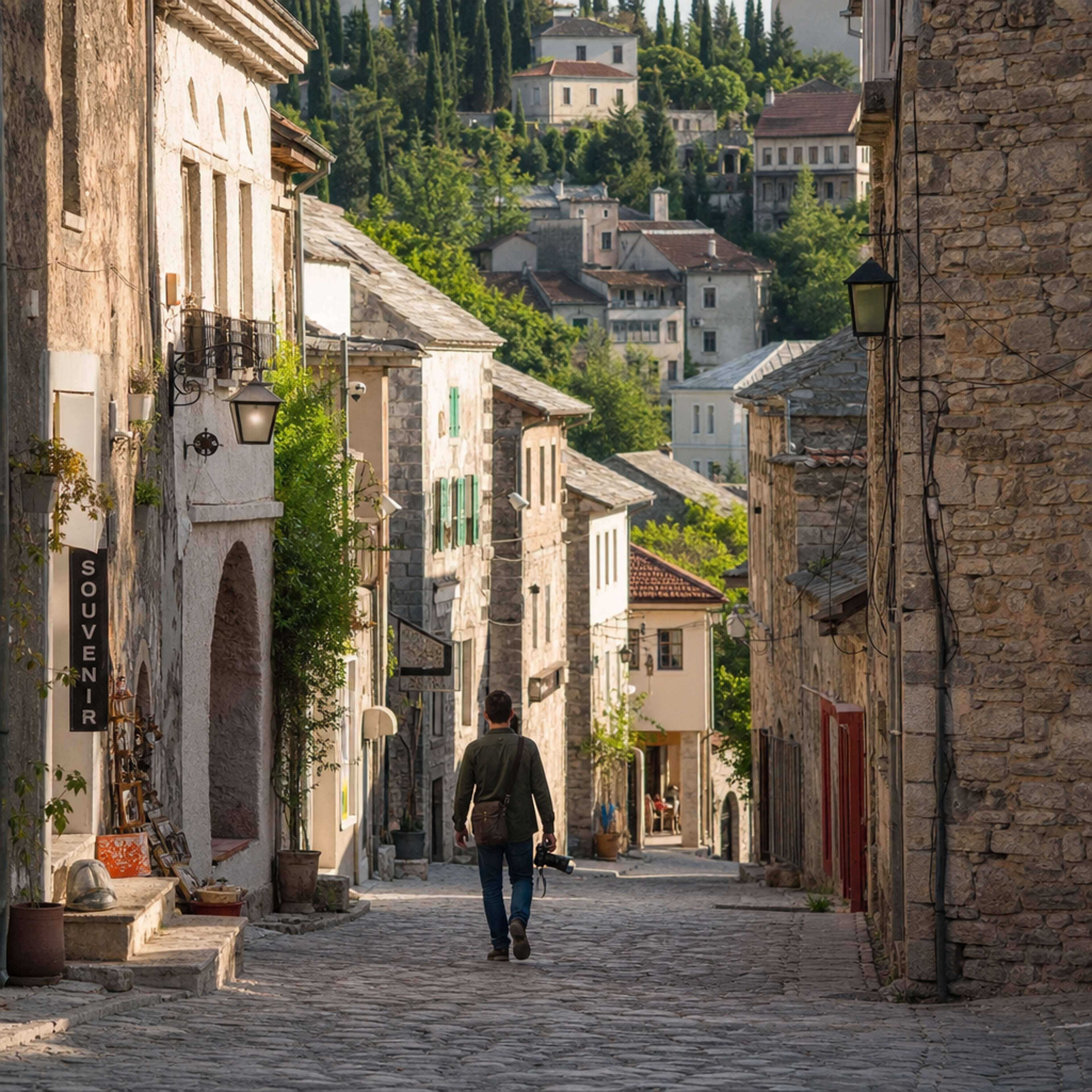

When most people think of Amsterdam, their minds immediately go to Dam Square, the Red Light District, and the famous canal belt. These iconic landmarks attract millions of visitors every year, but they also come with packed streets, long queues, and an energy that often feels more like a theme park than a real city. For retirees and travelers who want something more meaningful, the best of Amsterdam lies beyond the noise and neon lights.
Amsterdam has layers of history, art, and everyday life that reveal themselves only if you’re willing to wander past the obvious. It’s a city that rewards curiosity: quiet courtyards hidden behind doors, lively neighborhoods where locals shop and eat, cultural institutions tucked away in historic houses. Step off the beaten path, and you’ll discover an Amsterdam that feels authentic, personal, and endlessly surprising.
The following seven adventures capture the true spirit of the city. They are experiences that blend history, culture, food, and community, opportunities to see Amsterdam as the locals do, away from Dam Square crowds.
Jordaan’s Hidden Courtyards

The Jordaan is one of Amsterdam’s most photographed neighborhoods, with its canals, historic homes, and flower-filled balconies. But few visitors realize that behind some of those brick walls are hofjes, historic inner courtyards that date back to the 14th and 15th centuries. Originally created as housing for widows and single women, these peaceful spaces remain some of the city’s most enchanting secrets.
Entering a hofje is like stepping into another world. The sound of bicycles and chatter fades, replaced by the rustling of leaves and birdsong. Benches sit quietly under shade trees, while the architecture tells stories of centuries past. Locals often use these courtyards for reflection or simply to enjoy a quiet moment. Travelers who stumble upon them often describe it as the highlight of their trip—a rare chance to see a softer, more spiritual side of Amsterdam.
For retirees, hofjes offer both tranquility and connection to history. They’re places to slow down, breathe, and appreciate the city at a gentler pace. And because many are free to enter, they provide an experience that’s rich in meaning without costing a cent.
De Pijp’s Food Scene

De Pijp is Amsterdam’s culinary melting pot. Once a working-class district, it has transformed into one of the most vibrant and diverse neighborhoods in the city. Its crown jewel is the Albert Cuyp Market, a daily market where you can snack on freshly made stroopwafels, pick up exotic spices, or buy cheese directly from Dutch farmers. For retirees who enjoy slow wandering, the market is both a feast for the senses and a cultural experience.
But De Pijp isn’t just about the market. The neighborhood is filled with cozy cafés, international restaurants, and quirky bars where locals gather. From Indonesian rijsttafel to trendy vegan bistros, De Pijp reflects the global identity of Amsterdam. Sitting in a café here feels different than in the touristy city center, you’re surrounded by residents, artists, and students who bring the area to life.
What makes De Pijp especially appealing for longer stays is the relaxed rhythm of daily life. Instead of rushing from one landmark to another, visitors can spend an afternoon here savoring food, chatting with shopkeepers, and observing the neighborhood’s cultural diversity. It’s the Amsterdam of today, young, creative, and proudly multicultural.
Amsterdam-Noord by Ferry
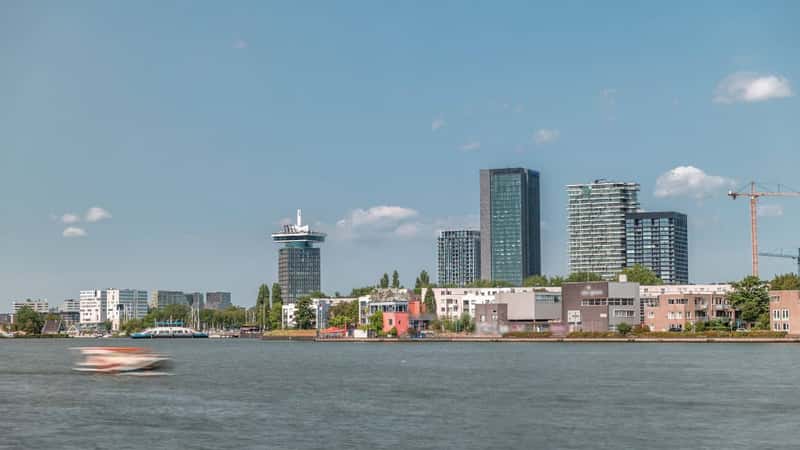
Crossing the IJ River by ferry is like entering a parallel Amsterdam. In just a few minutes, you leave behind the traditional canal houses and step into a district that blends modern architecture with industrial grit. Amsterdam-Noord, once a shipbuilding hub, has reinvented itself as the city’s creative playground, full of street art, innovative design, and unconventional cultural spaces.
One of the highlights is NDSM Wharf, a former shipyard that’s now covered in murals, sculptures, and artist studios. Here you’ll find cafés built inside shipping containers, open-air bars buzzing with locals, and events ranging from food festivals to art fairs. It feels edgy and experimental, far removed from the polished postcard image of Amsterdam.
The A’DAM Lookout tower, with its panoramic views and heart-pounding rooftop swing, adds a dose of excitement, while smaller galleries and music venues ensure there’s always something happening. For retirees, Noord offers a refreshing alternative: a place to experience Amsterdam’s contemporary culture in a relaxed, uncrowded environment. It’s proof that the city isn’t stuck in its Golden Age past—it’s alive, evolving, and constantly reinventing itself.
Cycling to Amstel Countryside

Amsterdam is known as the cycling capital of the world, but too many visitors limit themselves to short rides through the busy city center. The real magic of biking in Amsterdam happens when you follow the Amstel River out of the city and into the Dutch countryside. Within 20 minutes, the noise of trams and tourists fades into wide open skies, green fields, and the gentle rhythm of river life.
The path along the Amstel takes you past windmills, historic farmhouses, and riverside cafés. It’s not uncommon to see rowers gliding across the water or locals picnicking on the banks. The scenery is quintessentially Dutch, flat, green, and peaceful, and the pace of life here invites you to slow down and simply enjoy the ride.
For retirees, this is one of the most rewarding day trips from the city. You can stop at small villages, sample apple pie at a local café, or visit historic estates along the river. The route is flexible, you can bike as far as you like and return by train if needed. It’s an adventure that combines light exercise, fresh air, and immersion in landscapes that inspired Dutch painters for centuries.
Museum Willet-Holthuysen and Other Hidden Museums

Amsterdam’s blockbuster museums are world-class, but they also draw massive crowds. Fortunately, the city is full of smaller, lesser-known museums that provide equally enriching experiences without the long lines. One standout is the Museum Willet-Holthuysen, a perfectly preserved 17th-century canal house. Walking through its lavish rooms gives you a vivid sense of life during Amsterdam’s Golden Age.
These hidden museums often focus on quirky or specific themes. The KattenKabinet, dedicated entirely to cats in art and culture, delights animal lovers, while the Houseboat Museum offers a chance to step inside an authentic floating home. Because they’re smaller, these museums feel more personal, you’re not just shuffling through with hundreds of other tourists, but actually engaging with the exhibits.
For retirees, these spaces offer the perfect balance: rich cultural content without the exhaustion of overcrowded galleries. They invite curiosity, spark conversation, and provide insight into the city’s layers of identity. They also prove that art and history in Amsterdam are not confined to the famous names, you just have to know where to look.
Begijnhof – A Spiritual Refuge
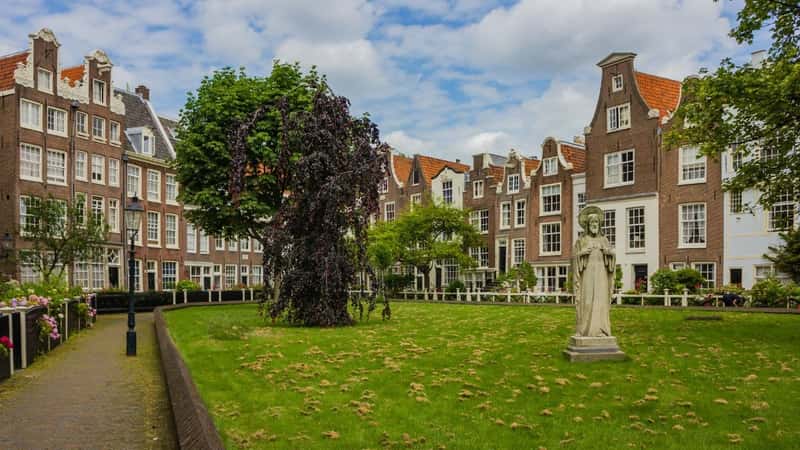
In the heart of the city, just a short walk from the bustling Kalverstraat shopping street, lies one of Amsterdam’s quietest treasures: the Begijnhof. This enclosed courtyard was once home to the Beguines, a lay religious order of women who lived in community while remaining independent. Today, the Begijnhof still carries that aura of peace and reflection, despite being surrounded by the modern city.
Entering the Begijnhof feels like a retreat. The noise of traffic disappears, replaced by birdsong and the sight of neatly kept gardens. Historic houses line the courtyard, including one of the city’s last wooden houses. There is also a small chapel that remains active, adding a spiritual dimension to the space.
For retirees and travelers seeking calm, the Begijnhof offers a restorative pause in an otherwise lively city. It’s a reminder that even in a place famous for its energy and openness, there has always been room for quiet contemplation. Spending time here isn’t about checking a box on a tourist list, it’s about experiencing Amsterdam’s soul.
Local Breweries and Brown Cafés

Amsterdam’s nightlife is often associated with rowdy bars and tourist-heavy clubs, but the city’s true drinking culture is found in its brown cafés and independent breweries. Brown cafés are traditional Dutch pubs named for their dark wood interiors and cozy, lived-in feel. They’re not flashy or trendy, just warm, intimate spaces where locals gather for conversation over a beer or jenever (Dutch gin).
Equally exciting is Amsterdam’s craft beer renaissance. Microbreweries across the city are experimenting with flavors and styles, often using local ingredients. Breweries like Brouwerij ’t IJ, housed in a former bathhouse next to a windmill, combine atmosphere with excellent beer. Visiting these spots allows travelers to engage with locals in a relaxed, authentic setting.
For retirees, evenings in brown cafés or breweries are opportunities to feel like part of the community. It’s less about nightlife and more about connection, sharing stories, tasting local flavors, and experiencing the rhythm of the city from the inside. Far from Dam Square’s neon, these are the spaces where Amsterdam truly comes alive.