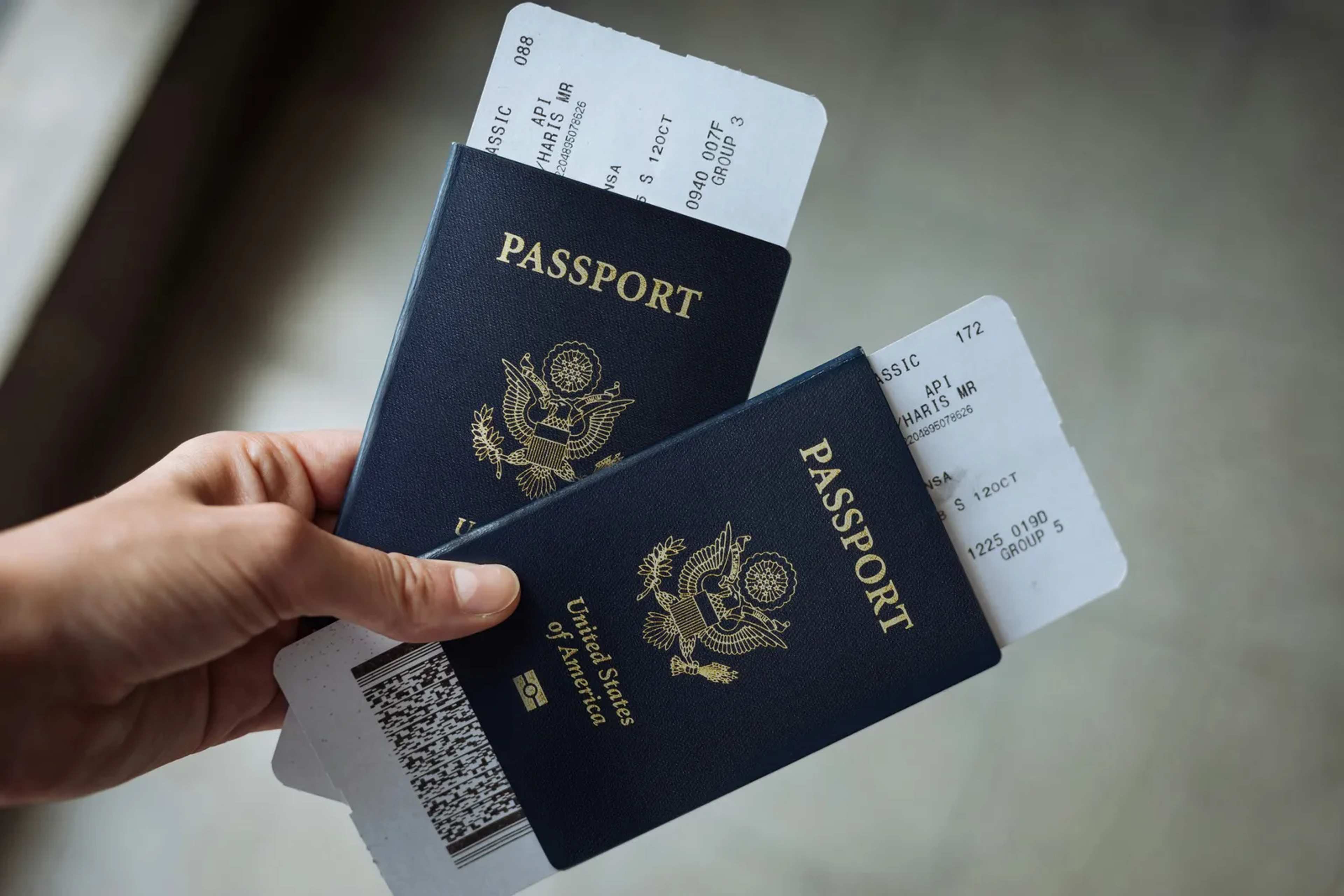
You’ve been there. Exhausted after a long flight, standing at the rental counter, and suddenly a friendly agent starts rattling off a list of “essential” add-ons that sound completely reasonable in the moment. Before you know it, that budget-friendly car rental has ballooned into something you’d rather forget about when the credit card statement arrives.
Here’s the thing: not every upgrade at the rental desk is a rip-off, but most of them are. Knowing which ones to wave off confidently, and which single one deserves a second look, can save you a surprising amount of money. Let’s dive in.
1. The Collision Damage Waiver From the Counter

Walk into any rental counter and the first upsell you’ll almost certainly face is the Collision Damage Waiver, or CDW. It sounds critical, and agents are trained to make it feel that way. Rental car insurance is one of the most common upsells you’ll encounter when renting a car, and it’s easy for an agent to convince a customer that their insurance doesn’t offer enough protection, or that the insurance requirements are different in another state.
The catch? You’re probably already covered. In most cases, your regular car insurance will cover you, so check with your insurer before renting a car. Beyond that, many credit cards carry their own rental car protection. Car rental companies make roughly 10 percent of their revenue from add-ons, according to the Consumer Federation of America, including stuff customers opt for at the counter because of convenience or a hard sell. Declining the counter CDW, once you’ve verified your existing coverage, is one of the smartest moves you can make.
2. Supplemental Liability Insurance

Once the agent finishes pitching CDW, they’ll often slide Supplemental Liability Insurance (SLI) across the desk. Supplemental liability insurance typically covers damages to other people’s property and medical costs for injuries you’re responsible for, but if you’re already insured, you’re covered. This is the kind of product that sounds absolutely vital until you realize you’ve been paying for the same protection through your own auto insurance for years.
Personal accident insurance includes medical, ambulance, and death benefits for you and your passengers, but in most cases your existing health, life, and car insurance policies offer the same benefits. The overlap here is substantial and mostly invisible to travelers standing tired at a counter. Check your existing policies before you travel, and this becomes an easy no.
3. The Prepaid Fuel Option
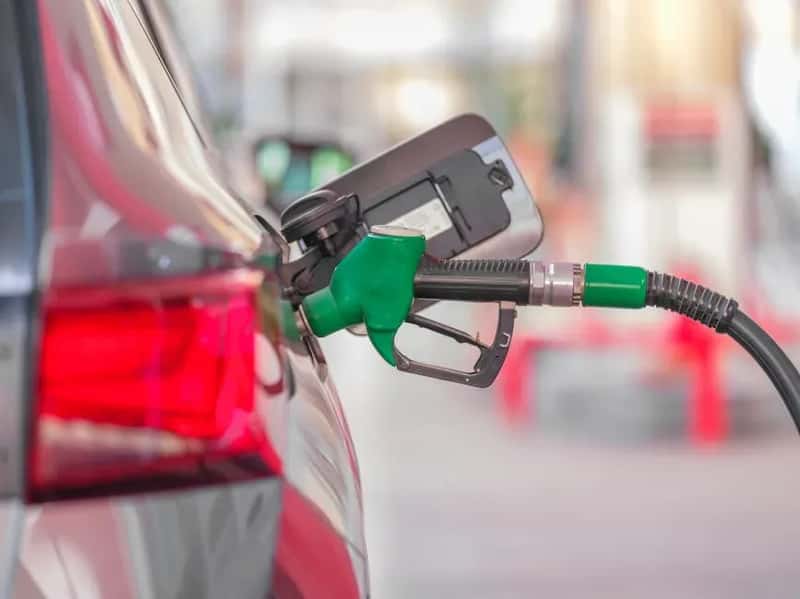
This one looks like a time-saver, and agents will absolutely frame it that way. The idea is simple: pay upfront for a full tank and return the car on empty, skipping the hassle of hunting for a gas station. When you prepay for fuel, you’re essentially buying a full tank from the rental car company. The problem is that unless you return the car running on fumes, you’re handing over money for fuel you didn’t use.
The fuel service option is an upsell that does not benefit the customer’s pocketbook, but can shave off a few minutes of travel time, that is, if you don’t waste it arguing with an agent about discrepancies in your bill. Honestly, it’s almost never worth it. Planning ahead is the easiest way to avoid the upsell: top off the tank the day before, find a reasonably priced station close to the airport, and always keep the receipt in case the agent asks for proof. That way, you’ll save money, avoid inflated airport gas prices, and return the car on full without stress.
4. The GPS Navigation Add-On
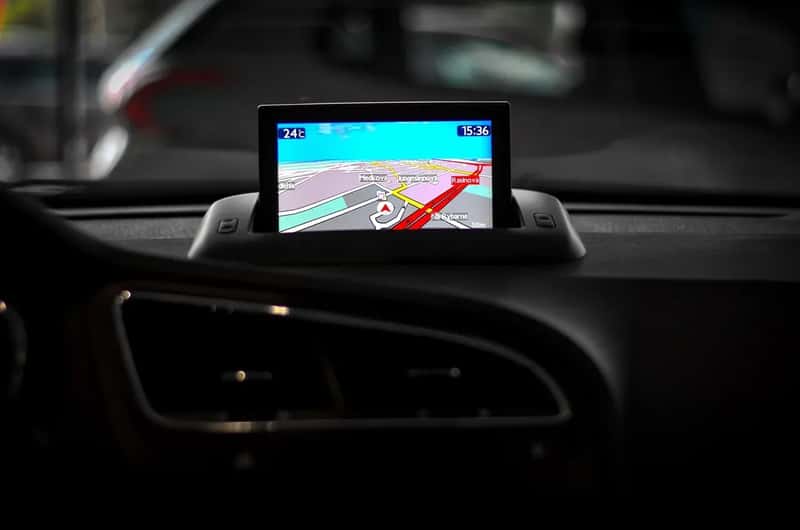
Rental companies have been selling GPS units for years, and they were genuinely useful back when smartphones didn’t exist. Today, paying a daily fee for one is almost laughably unnecessary. Google Maps, Apple Maps, and Waze are all free, constantly updated, and better than most in-car GPS systems that rental fleets use. Honestly, those built-in rental units often run outdated maps anyway.
Renting a car sometimes feels as high-pressure as buying a car, with the agent urging you to upgrade the vehicle, add GPS, and buy rental car insurance, and it’s not for your benefit. A phone mount from a gas station costs around five dollars. A GPS rental unit can run eight to fifteen dollars per day. Over a week-long trip, that’s a significant waste for something your phone already does better.
5. The Toll Transponder Package

This upsell has grown more aggressive in recent years as cashless tolls have spread across the country. Rental companies are very aware of the confusion, and they monetize it hard. Cashless tolls are becoming more and more common on U.S. roads, and rental car companies have also spotted an opportunity to make money, quite often from unaware drivers who don’t read the small print or haven’t checked out the toll situation for their journey.
The daily fees add up fast. Hertz’s “All-Inclusive Tolling” daily package was about $18.99 per day for unlimited toll use in 2024, and if you don’t opt into that and incur a toll, Hertz will charge a $9.99 fee for each rental day you use a toll, plus the toll itself at the higher cash rate. The better option? Consider packing your own transponder to avoid paying daily convenience fees on top of the toll prices and to access discounted cashless toll prices; just take it out of your personal car and affix it to the rental car near the rearview mirror. Bringing your own E-ZPass, SunPass, or FasTrak tag is the way smarter move.
6. The Vehicle Upgrade to a Larger Class
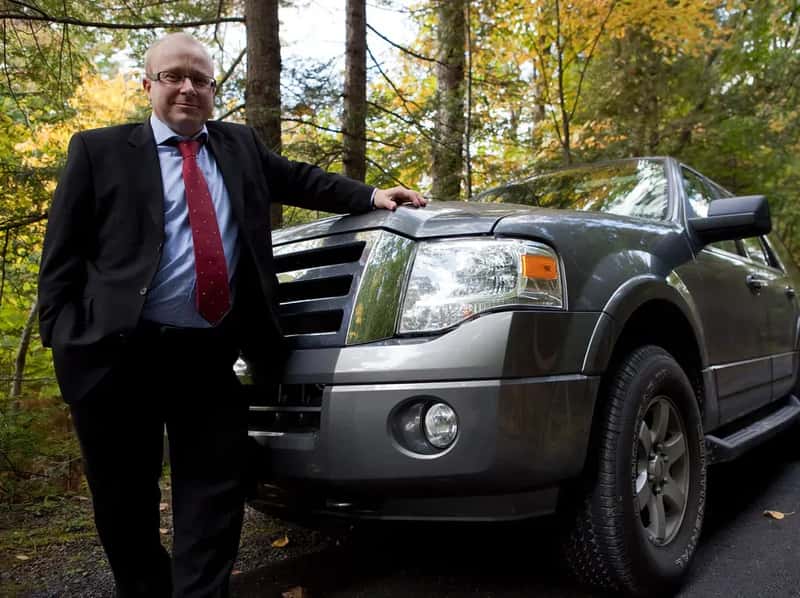
Agents are incentivized to push you into larger, pricier vehicle categories. The pitch usually goes like this: “For just a few dollars more per day, you can have an SUV.” It sounds reasonable at three dollars per day, but multiply that across a week plus taxes and surcharges, and the difference becomes significant. And here’s the practical side: larger vehicles cost more to fill up and can be a genuine nightmare in tight parking garages or busy city centers.
In one documented case, a counter agent told a traveler that her bags probably wouldn’t fit in the Volkswagen Beetle that had been reserved, recommending an upgrade to a full-sized car for $160 more, while also mentioning the Beetle didn’t have air conditioning or power windows. That’s a textbook upsell. If you booked a compact car for a practical reason, stick with it. As a rule of thumb, when provided an upgrade, ask yourself if you truly need it. If you can live without something the company is providing, it is best to decline their offer.
7. Personal Effects Coverage

Personal effects coverage is sold as protection for your belongings if someone breaks into the rental car and steals your stuff. Sounds useful on the surface. However, most homeowners or renters insurance policies already extend coverage to personal property even when it’s inside a vehicle that isn’t yours. It’s the kind of duplicate protection that quietly costs you money.
Personal effects coverage covers the theft of possessions from the rental car, but in most cases your existing health, life, and car insurance policies offer the same benefits. Before your next trip, do a quick check with your home or renters insurance provider. In the vast majority of cases, you’ll find you’re already protected, and this add-on becomes a clean, easy decline at the counter.
8. Roadside Assistance from the Rental Company
The rental company’s roadside assistance package is a classic counter upsell, usually running a few dollars per day. It covers things like flat tires, lockouts, and dead batteries. What agents won’t mention is that you likely already have this coverage from multiple other sources. Roadside assistance is a service that helps individuals with a roadside emergency such as a dead battery, flat tire, running out of gas, or mechanical failure, and it is available through motor clubs like AAA, certain credit cards, or travel insurance policies, and can be used on a car rental.
According to the Chase Sapphire Reserve benefits guide, cardholders are covered by the card’s roadside assistance benefit whenever they are driving a vehicle they own or lease, as well as cars “furnished to you by the owner,” which includes rental cars. Credit card roadside assistance benefits generally extend to rental cars. Check your credit card’s guide to benefits before you travel. There’s a good chance you already carry this protection in your wallet.
9. The Super Damage Waiver and Tire/Windscreen Extra
Layered on top of the standard CDW, many rental companies offer super damage waivers covering extras like tires and windscreens. These are presented as comprehensive protection, and they are, but the price is extraordinary. Many car rental companies offer policies including a super damage waiver with an average cost of about $196 and tire and windscreen cover, with a combined average cost of around $255 per week in the USA.
That’s a dramatic markup when you consider that third-party policies exist for a fraction of the price. That is five times more expensive than a policy from a specialist insurance provider, which charges only $54.90 for a week’s policy that covers damage, theft, tires, and windscreen cover. According to survey data, “extras” bought at the rental desk can drive up expenses, and they have increased by 2% over the past 12 months. Shop third-party rental insurance before you travel, and you’ll find this counter add-on is almost never justified at that price.
The 1 Upgrade You Should Actually Accept

Here’s the twist. After all that advice to decline, decline, decline, there is one situation where accepting a counter upgrade genuinely makes financial and practical sense. That’s the Loss Damage Waiver (LDW), but only if and when you have confirmed that neither your personal auto insurance policy nor your credit card provides primary coverage for rental vehicles. The collision damage waiver/loss damage waiver lets you off the hook for paying for rental car damage or theft, and this is the one type of rental car protection that makes sense to purchase, but only if you don’t buy it at the counter.
The smarter play, if you do need it, is to buy it from a third-party specialist before your trip, not at the counter under pressure. The global car rental insurance market was valued at approximately $7.09 billion in 2024, and the Collision Damage Waiver segment alone was estimated at around $2 billion. That scale tells you exactly how many people are buying this product, often without questioning whether they already have it elsewhere. If you genuinely lack existing coverage, the LDW does protect you from a potentially large out-of-pocket hit. It’s the one counter moment where saying yes, carefully and knowingly, is defensible.
The Bottom Line: Know Before You Go

The pattern across all nine of these upsells is the same. They’re priced for impulse, designed for exhausted travelers who haven’t checked their existing coverage, and they’re offered in a moment of low resistance. According to survey data, extras bought at the rental desk can drive up expenses and have increased in cost over the past 12 months. The rental companies know this, which is exactly why the counter pitch exists in the first place.
Spending 15 minutes before your trip reviewing your auto insurance, credit card benefits, and any travel insurance you hold can easily save you a hundred dollars or more on a single rental. It’s not about being stingy. It’s about not paying twice for protection you already own. So next time an agent slides that add-on sheet across the counter with a smile, you’ll know exactly which line to decline and why. What do you think: how many of these upsells have you already paid for without realizing you didn’t need them? Let us know in the comments.