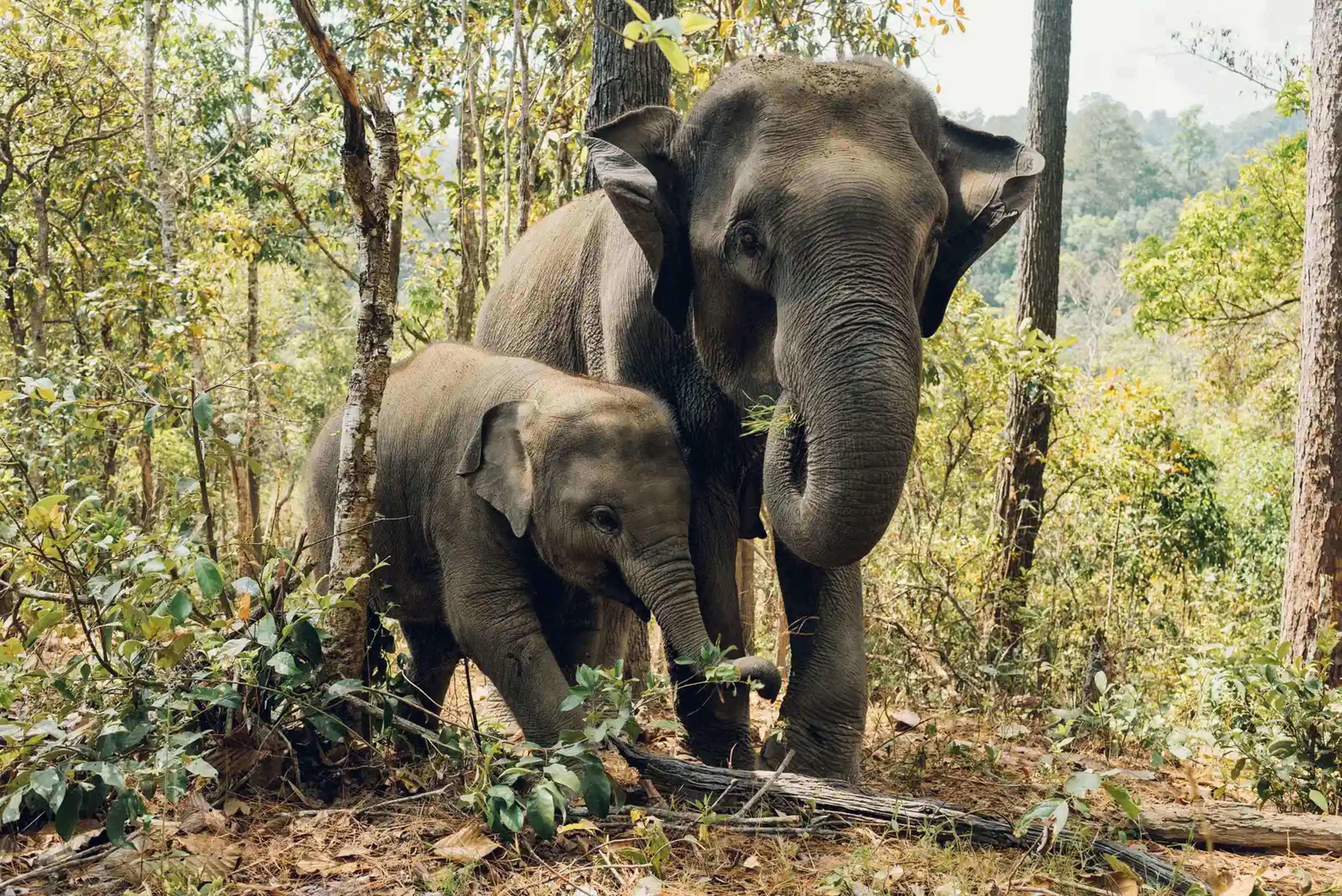
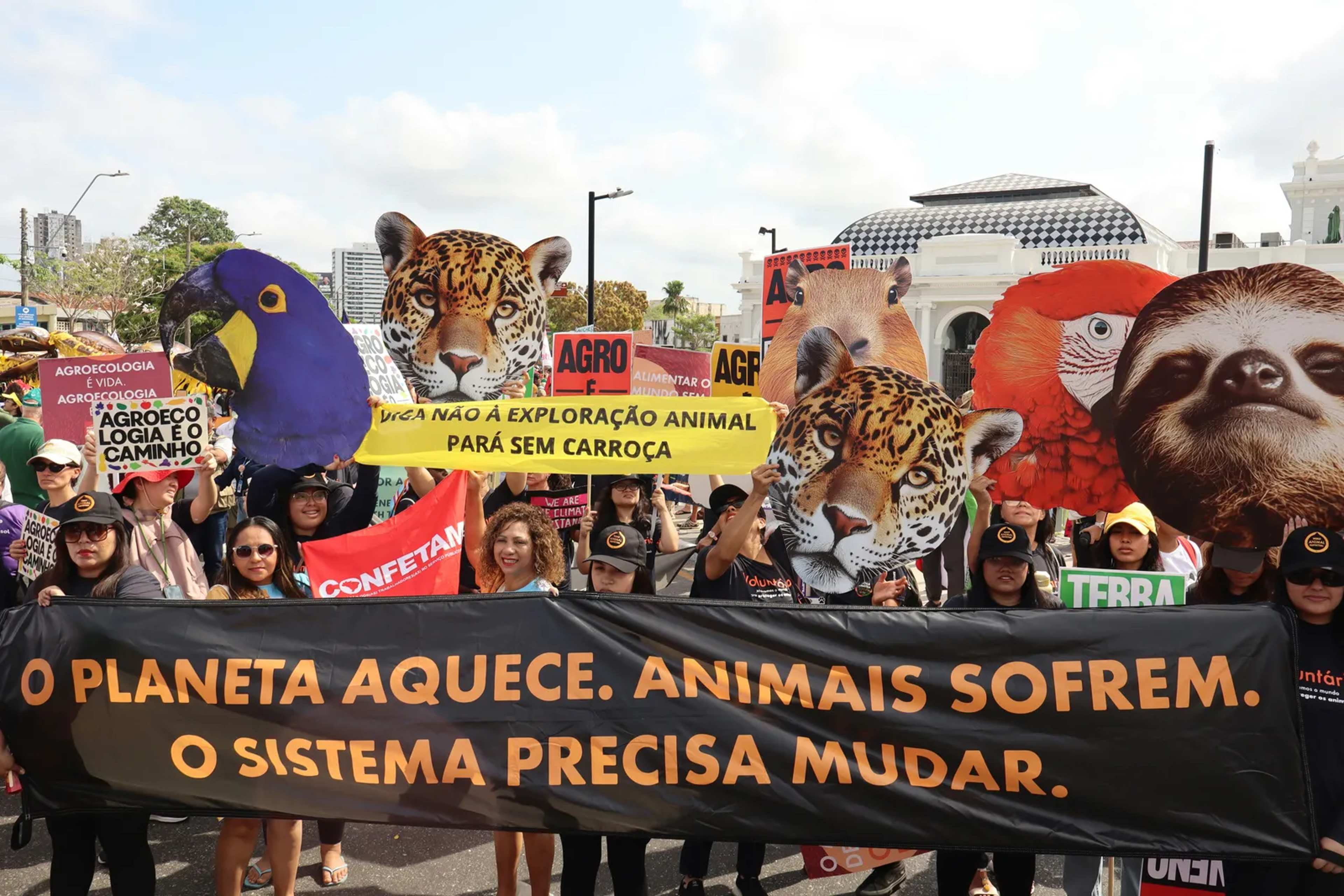
Rewilding Rio: Conservationists restock an ‘empty forest,’ one species at a time – Image for illustrative purposes only (Image credits: Unsplash)
Tijuca National Park sits in the hills above Rio de Janeiro, a popular destination for visitors seeking green space near the city. In 2008, biologist Alexandra Pires learned that the park lacked agoutis, rodents essential for spreading seeds of certain trees. That absence left many seeds to rot on the forest floor instead of growing into new plants. Her conversation with a local researcher set in motion a long-term effort to bring missing animals back.
The Discovery That Changed the Park
Pires had just finished her doctoral work on how agoutis help regenerate Brazil’s Atlantic Forest. When she shared her findings with Ivandy Castro-Astor at Tijuca National Park, she heard the rodents were gone. The proof lay in the untouched seeds of the cutieira tree, also called the agouti tree. Castro-Astor suggested releasing some agoutis to fill the gap. That simple exchange launched years of planning and fieldwork. The practical result was a shift from observation to active restoration. Without the rodents, the forest’s natural renewal process had stalled in places. Park managers and scientists recognized that trees alone could not sustain the full ecosystem. The decision to act addressed a clear gap in the park’s wildlife.
Understanding Empty Forest Syndrome
Conservationists describe the situation as empty forest syndrome, a term coined by U.S. researcher Kent Redford in 1992. The trees and plants remain, yet the animals that disperse seeds, control pests, and shape the undergrowth have disappeared. In Tijuca, this meant reduced plant diversity over time and fewer opportunities for the forest to recover naturally after disturbances. The syndrome affects more than one park. It appears in other protected areas where hunting, habitat loss, or isolation have removed key species. Tijuca’s location near a major city made the problem visible to researchers and visitors alike. Restoring the missing animals became a direct way to reverse the imbalance.
Species Returning Through Refauna
Refauna, the project Pires now directs, has focused on careful reintroductions with support from Brazil’s Chico Mendes Institute for Biodiversity Conservation. Red-rumped agoutis were among the first to return and have since been observed moving through the understory. Brown howler monkeys and yellow-footed tortoises followed, adding new layers to the forest’s animal community. Early this year, blue-and-yellow macaws were released after being absent from the region for two centuries. Their return marks a visible change in the park’s skies. Each addition targets a specific role in the ecosystem, from seed dispersal to seed predation and canopy movement. The program tracks the animals to measure how they settle and interact with existing vegetation. – Red-rumped agoutis help spread seeds of large-fruited trees.
– Brown howler monkeys move through the canopy and aid plant regeneration.
– Yellow-footed tortoises contribute to seed distribution on the forest floor.
– Blue-and-yellow macaws restore long-distance seed dispersal and add color and sound to the landscape.
Timeline and Next Steps
The work has unfolded over nearly two decades, from the initial conversation in 2008 to the macaw releases in early 2026. Progress has been steady rather than rapid, with each species requiring separate permits, health checks, and monitoring plans. Stakeholders include park staff, federal conservation agencies, and local researchers who coordinate releases and data collection. Future phases will likely focus on additional species that once lived in the area. Success depends on continued funding, public support, and careful management of visitor impact. The effort shows how targeted reintroductions can address gaps left by earlier losses without large-scale habitat changes. The project’s results now reach beyond the park boundaries. Visitors to Tijuca can encounter animals that were missing for generations, while the restored interactions among species strengthen the forest’s long-term resilience.