OSAKI, Japan – Osaki, an agricultural community in northeast Japan, has flooded repeatedly in recent years. Heavy rains breached river embankments and inundated the area in 2015, 2019 and 2022. Rather than rely only on higher levees, the community is now using its farmland to slow and hold water. ([1])
A Patchwork of Small Dams
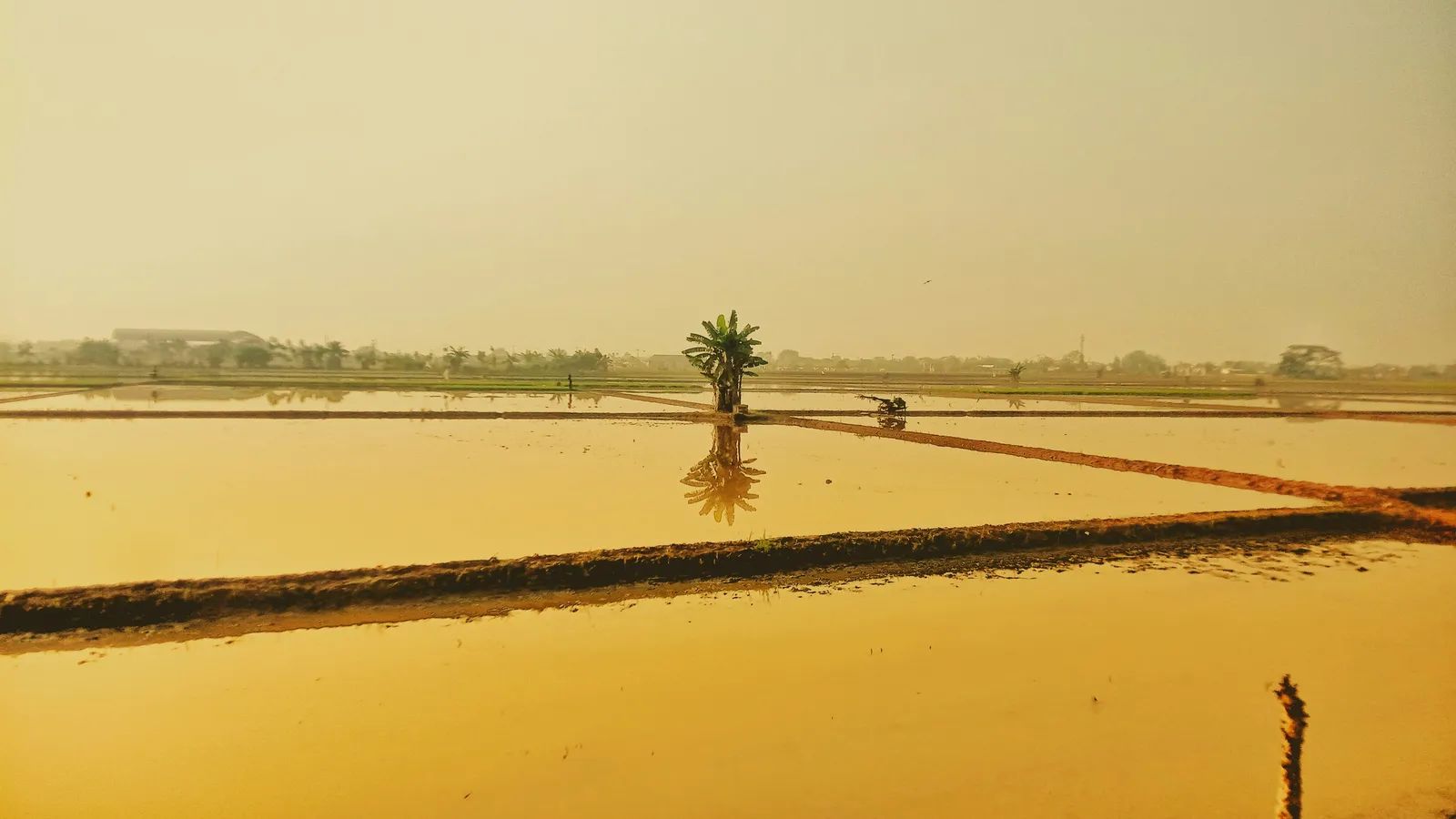
Farmers and the local government have worked together to build more than 5,000 small earthen dams across the rice paddies that surround the town. The barriers are meant to keep floodwater inside the fields instead of letting it spill toward homes and roads.
City officials say they hope the dams will reduce flooding by keeping more water contained to the paddies. The approach is still being tested, and officials have not presented it as a guaranteed fix.
Why the Floods Keep Coming
Osaki officials link the recent rise in flooding, at least in part, to climate change. That view matches national trends. The Japan Meteorological Agency has reported that heavy rainfall events fueled by climate change have become more frequent and more intense across the country.
That shift has pushed officials to rethink flood control. Their focus has moved toward what is often called green infrastructure, meaning natural or farm-based features that absorb and store water, with rice paddies and other agricultural land playing a central role.
- Flooding struck in 2015, 2019 and 2022 after heavy rain breached river embankments.
- More than 5,000 small earthen dams now sit within the surrounding rice paddies.
- Farmers and local government share responsibility for the project.
A Farm Sector Under Pressure
The strategy comes at a time when Japan’s farming sector is shrinking. The average age of a farmer was nearly 70 in 2026, and the rural population continues to decline. Fewer people are left to maintain fields that once formed a large share of the landscape.
Land use has also changed. Farmland near cities has been converted into suburbs and industrial zones, and many of these low-lying urban areas are especially exposed to flooding. That makes the remaining farmland more important than ever.
Researchers have responded by assessing the flood mitigation potential of working farmland as well as abandoned fields. Their work points to the need to understand conditions at each site and to design countermeasures for each locality.
Related Stories From Travelbinger



Lessons That Depend on Place
Osaki’s experience suggests that farmland can do more than produce rice. Its value as flood protection depends on terrain, water flow and whether people continue to farm the land. A method that works in one valley may not transfer neatly to another.
For now, Osaki offers a measured example of how a rural community can adapt. Its paddies are no longer only a source of income. They are also part of the town’s defense against the next heavy rain.