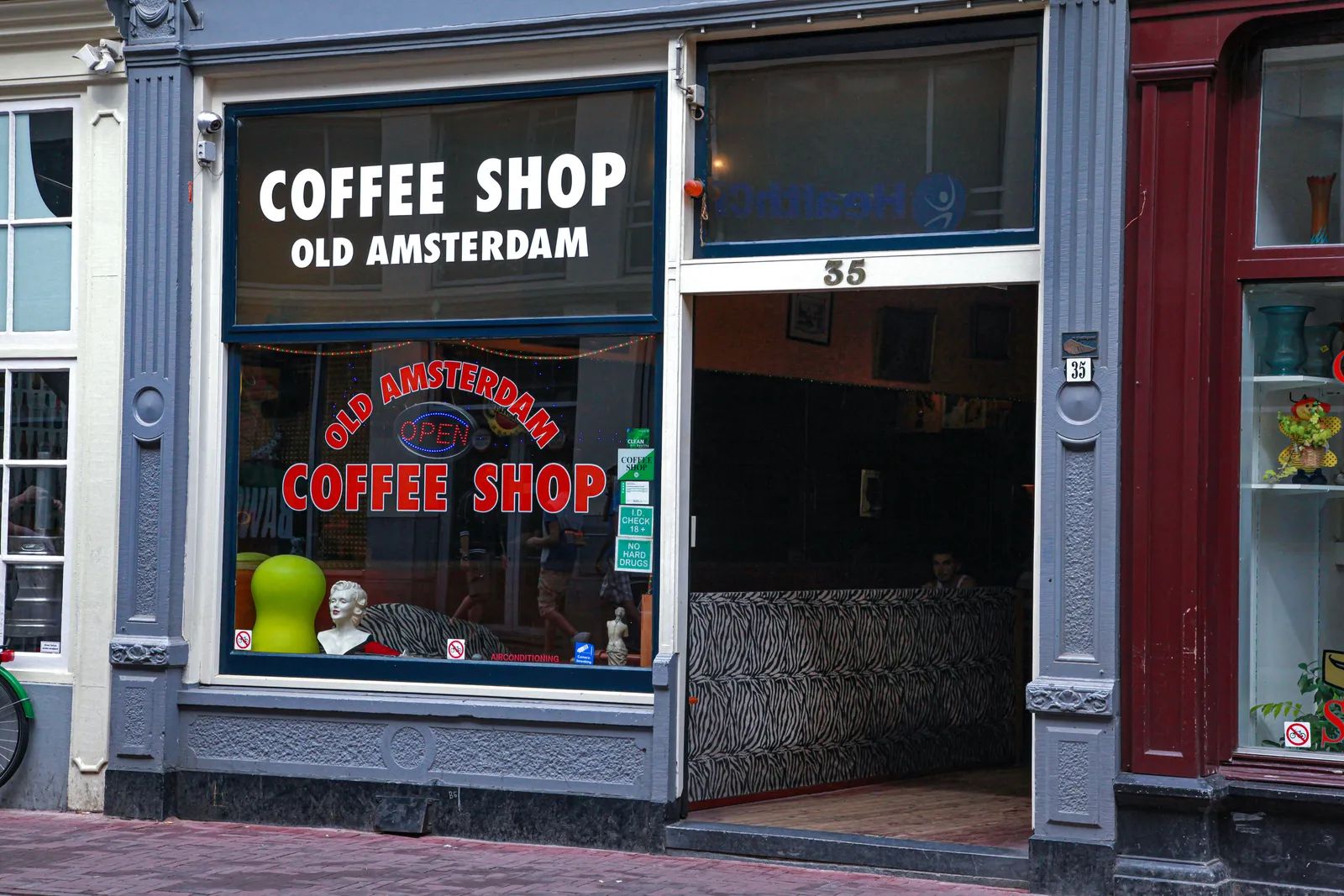
Amsterdam’s coffeeshops remain one of the city’s best-known draws, and the rules around them have been under scrutiny this year. A first-hand guide to visiting one for the first time ([1]) captures the curiosity many travelers bring, but the details matter. Cannabis is tolerated in these shops, not legalized, and a number of practical rules shape what a visitor can buy, where they can use it, and what they should avoid.
Why the rules are back in the headlines
For years, city officials floated a ban on tourist sales at coffeeshops, arguing that visitors were the main source of demand. After the March 2026 local elections, the new city government dropped the plan on 3 June 2026, arguing it would push visitors to street dealers. Criminologist Dirk Korf found that roughly a quarter of foreign tourists would turn to the black market if the shops were closed to them. The coalition chose a different lever. It chose to raise the tourist tax instead.
The decision did not change the national framework. Since 2013, a national residency criterion has allowed municipalities to restrict coffeeshops to Dutch residents, and some cities enforce it. Amsterdam has not. Amsterdam does not apply the national residency criterion to adult visitors, so adult tourists with valid ID can enter. Visitors should still check local rules before traveling to other Dutch cities, since enforcement differs from one municipality to the next.
Tolerated, not legal
The most common misunderstanding is the idea that cannabis is legal in the Netherlands. It is not. Cannabis is tolerated, not legal. Coffeeshops that follow the rules aren’t prosecuted. That tolerance depends on conditions that shops must meet every day, and a visitor who ignores them can create problems for the business and for themselves.
The core requirements are straightforward:
- Entry and purchase are limited to adults. You must be at least 18 to enter a coffeeshop and to buy there.
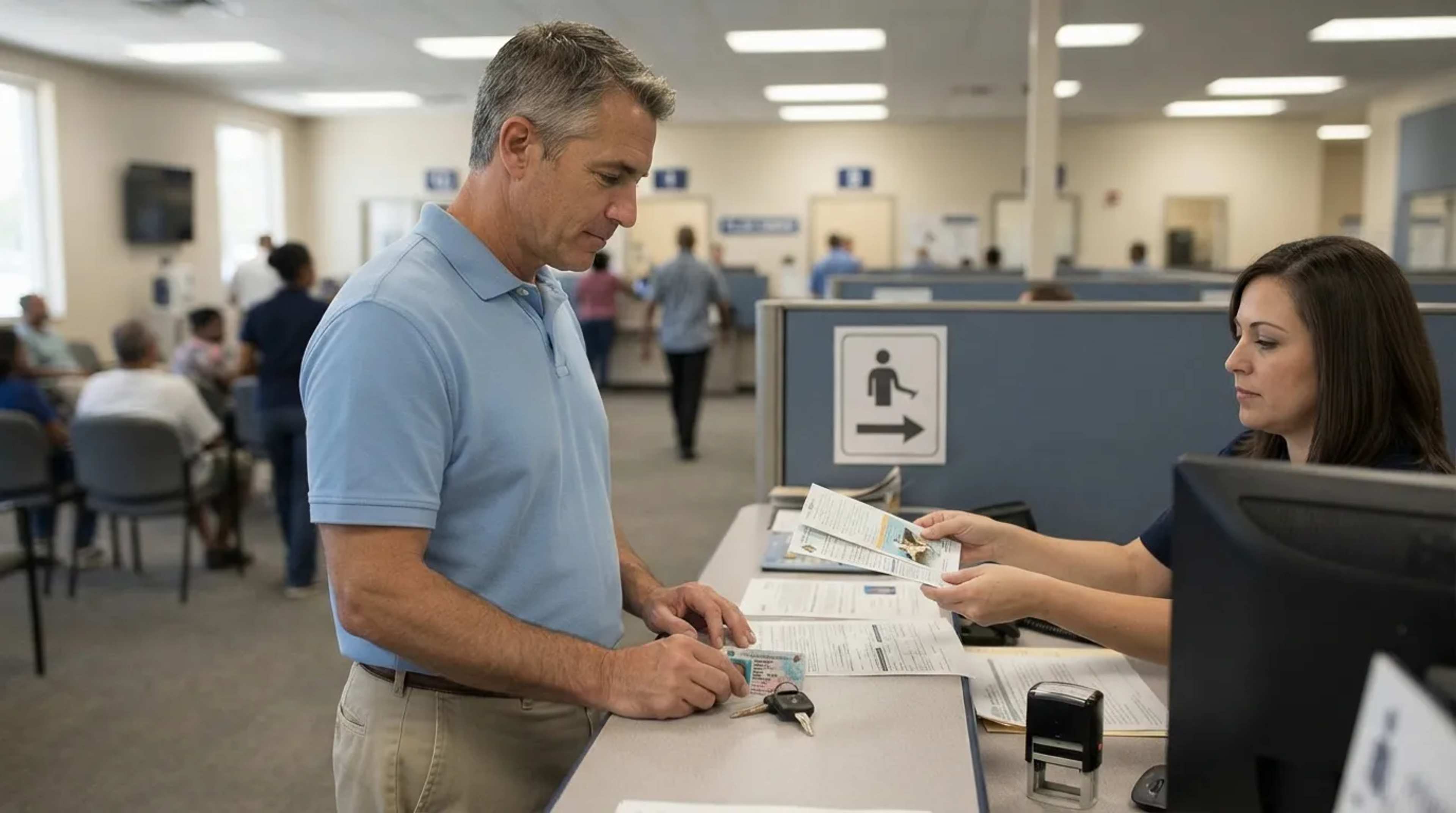
- A valid passport or ID card is required. Selling to minors is prohibited and identification is compulsory.
- Purchases are capped. Selling larger quantities to a single customer is prohibited, with the daily limit set at 5 grams.
- Alcohol and hard drugs are not allowed inside.
- Shops cannot advertise cannabis, and they must avoid causing a public nuisance.
Some restrictions also apply outside the shop door. A smoking ban has been in force since 2023 in parts of the city center, including the Red Light District and Dam Square. Fines can follow for violations, and many hotels prohibit smoking in guest rooms, so the safer default is to avoid smoking in public altogether.
What first-timers often get wrong
Edibles tend to cause the most trouble. Cannabis-infused products such as space cakes and brownies can take a long time to take effect. Some visitors eat one, grow impatient, and then eat another. Effects can arrive anywhere from 30 minutes to two hours after eating, and they can last longer than expected. Starting with a small amount and waiting is the most reliable approach.
Alcohol adds another layer of risk. Mixing cannabis with alcohol or other intoxicating substances increases impairment, and anyone who feels unwell should stop, move somewhere quiet, and ask a sober companion or staff member for help. Emergency care is available through 112 in the Netherlands. Cannabis smoke also contains harmful chemicals found in tobacco smoke, so nonsmokers who are sensitive to it may want to think twice before spending time inside a busy shop.
Taking cannabis or cannabis-infused food out of the Netherlands is illegal, even on a short trip to Belgium, France, or Germany. The tolerance policy does not extend beyond the country’s borders.
Related Stories From Travelbinger

What matters now: Amsterdam still admits adult tourists to its coffeeshops, the sales limit remains 5 grams, and cannabis is tolerated rather than legal. Visitors who check ID requirements, pace themselves with edibles, and follow street smoking rules will avoid most of the common problems.
Coffeeshops are part of Amsterdam’s identity, but they are a small piece of a city with museums, canals, and neighborhoods that have little to do with cannabis. For first-time visitors, the practical lesson is simple. Treat the shops as a regulated and carefully watched part of city life, not as a loophole, and the visit is far less likely to end in an unpleasant surprise.