Only about ten vaquitas are believed to remain, and the world’s smallest porpoise now faces a new threat in its last refuge. Mexico changed its fishing rules in October 2026, sharply shrinking the area where gillnets are banned in the Gulf of California. Environmental groups have since asked a court to halt the changes, and their case has drawn attention to a species most people have never heard of ([1]).
A porpoise that lives in a narrow margin
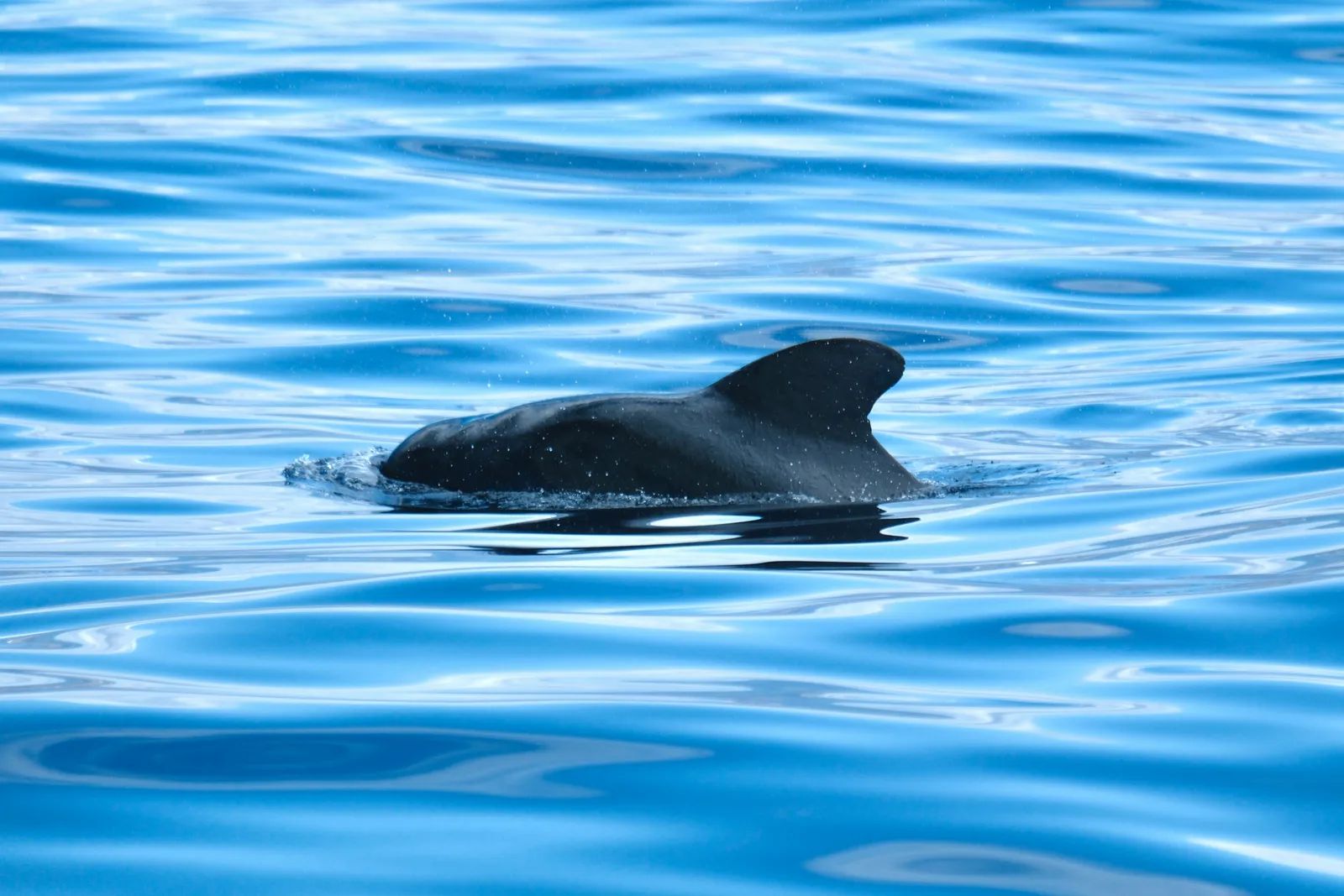
The vaquita is a small animal even by porpoise standards. It typically measures about 1.5 meters, or five feet, and weighs up to 54 kilograms. It lives only in the Gulf of California, also called the Sea of Cortez, where illegal fishing has steadily reduced its numbers over three decades.
Most vaquitas die as bycatch. Gillnets hang vertically in the water, and an animal that becomes tangled can drown. Many of these nets are set illegally to catch totoaba, an endangered fish whose swim bladder sells for thousands of dollars on the black market, mostly in Asia. Mexico had banned gillnets across much of the region in 2020, a move that was meant to help the species recover. Conservation groups say those protections were never fully put into practice.
What the October rules changed
The revised regulations cut the gillnet-free zone by roughly 86 percent, according to one account of the changes ([2]). The shift affects more than the boundaries alone, and the table below summarizes the main provisions.
| Provision | Effect under the new rules |
|---|---|
| Gillnet prohibition area | Reduced by about 86 percent |
| Zero tolerance area | Still bars fishing and navigation, but a transit route now crosses it |
| Nighttime fishing ban | Shortened by three hours |
| Satellite tracking on local boats | Requirement delayed for up to a year, tied to budget approval |
The rules also authorize gillnet fishing outside the reduced zone and create a Special Use Area where free diving and hookah fishing are permitted. Critics argue that the satellite tracking delay weakens enforcement at a time when illegal fishing remains a central concern. The transit corridor through the 225 square kilometer zero tolerance area has drawn particular objections because it allows boats into the habitat the zone was designed to protect ([3]).
A court fight over consultation and habitat
On November 6, Greenpeace Mexico, the Center for Biological Diversity and the Conservation of Marine Mammals of Mexico asked a court to suspend the new rules. The Center for Biological Diversity and its partners framed the filing as a constitutional challenge, arguing that the government did not consult the public before setting the new boundaries. They also contend that the approach conflicts with the Escazú Agreement, an international treaty that guarantees public participation in environmental decisions ([4]).
Alex Olivera, the group’s Mexico representative, said that “with only about 10 of these little porpoises left,” the government should enforce rules across the entire habitat. The groups also point to sightings. Vaquitas were recorded outside the protected zone in 2025 and 2026, including in a northwestern area that does not receive full protection. Vaquita experts had urged Mexico to safeguard those waters and install concrete blocks with hooks to deter gillnets, yet the area still lacks them.
Fishing towns caught in the middle
The dispute is not only about the porpoise. Fishermen from San Felipe have used gillnets legally for decades to catch shrimp and sharks, and the town’s roughly 17,000 residents depend heavily on those waters ([5]). The petitioners have called for government support so fishing communities can move to alternatives that are safer for vaquitas, and Greenpeace Mexico has stressed that long-term livelihoods and conservation need to be addressed together.
Mexico’s Ministry of Environment and Natural Resources has said it will continue coordinating vaquita conservation with other federal agencies ([6]). Whether that coordination produces a workable plan for both fishers and the porpoise will likely shape how the court case is viewed.
What comes next
The court’s decision on the injunction request is the immediate test. If the rules stand, the next season of fishing will show whether the expanded gillnet areas put more vaquitas at risk. If the court pauses the changes, Mexico will still need to address the economic pressure on coastal communities and enforce the protections already on paper. For a species that may number only about ten animals, the margin for error is very small.