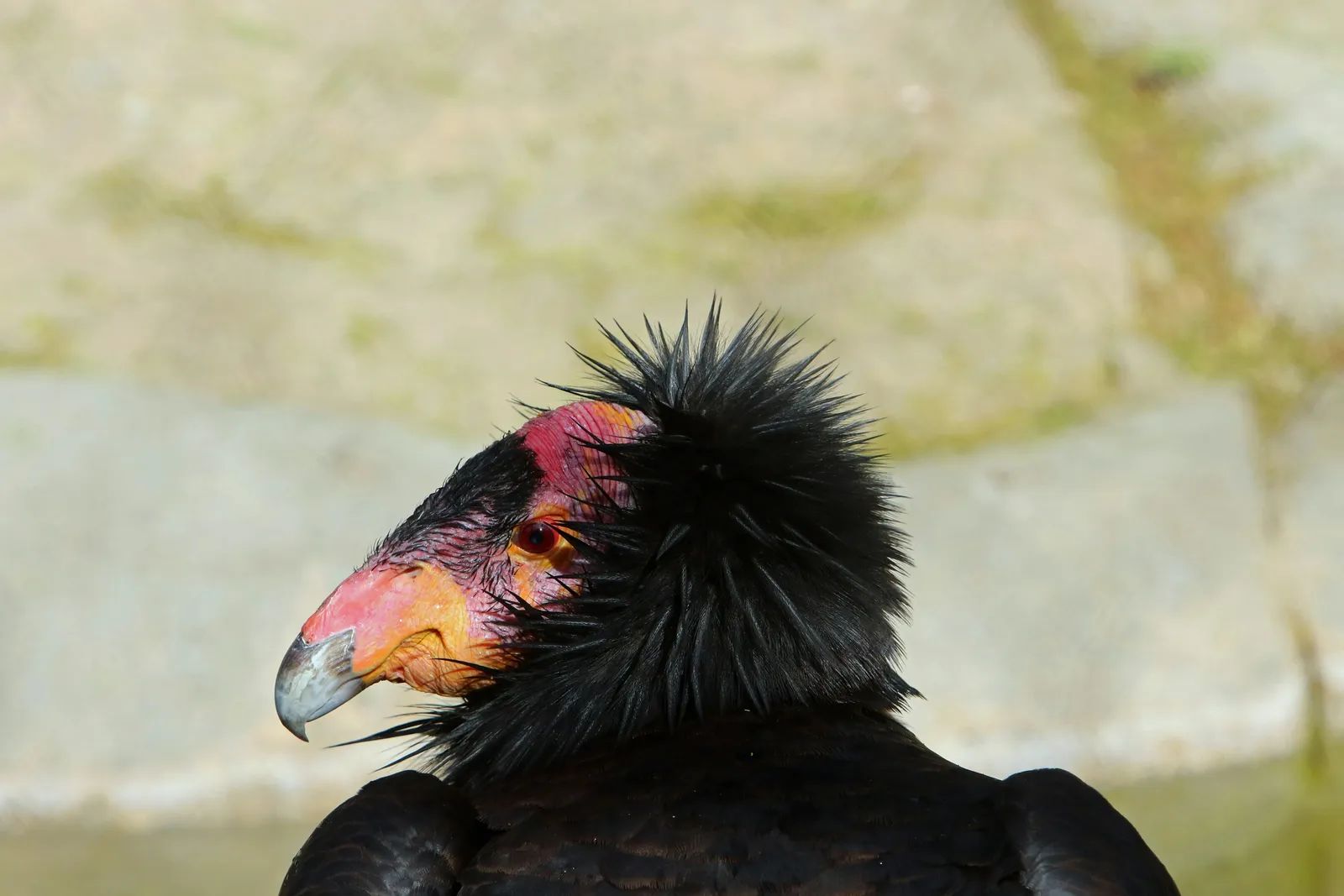
The California condor’s recovery is one of North America’s best-known conservation successes, yet the threat that nearly wiped out the species has not gone away. ([1])Researchers now report that deaths from lead toxicosis have become more frequent over the three decades since captive-bred birds were released back into the wild, and the species remains listed as endangered.
From 22 birds to a population in the hundreds
The scale of the comeback is hard to overstate. In 1982, the world total of California condors was just 22 birds, and the species was balanced on the brink of extinction. A captive breeding program started the following year and has since grown the population considerably. Today, the species is counted in the hundreds. Numbers reached 607 birds by the end of 2025, including nearly 400 living in the wild across California, Baja California, the Pacific Northwest, Utah and Arizona.
Those figures explain why the new findings matter. A species that is still fragile cannot absorb many avoidable losses, and the reintroduced birds face pressures that were not present when they were bred in captivity.
A threat that is growing, not fading
A team of researchers at the U.S. Geological Survey examined causes of death among wild condors and modeled how those causes changed over time. Their analysis found strong evidence that the estimated annual probability of death from lead toxicosis has increased since reintroduction began. The researchers reported that the pattern was clearest in the central California subpopulation.
Other dangers have followed a less consistent path. Wildfire, predation and trauma have all contributed to losses at different points, with their importance rising and falling across the years. The authors concluded that threats to condors have not stayed the same across places or periods, which allows wildlife managers to direct limited resources toward the mitigation efforts most likely to help at a given time and location.
Key points from the study
- Lead toxicosis deaths have increased since reintroduction started more than 30 years ago.
- The increase was most pronounced in the central California subpopulation.
- Adult birds were affected disproportionately, possibly because of changes in foraging behavior that reduce reliance on clean, provided food.
- Threats such as trauma and predation peaked in different years in the southern California subpopulation.
Why adults and specific regions stand out
The study points to a possible explanation for why adult birds are hit hardest. As condors age, they may rely less on carcasses provided by biologists, which are generally free of lead, and more on natural scavenging. That shift could increase their exposure to contaminated carcasses. The researchers present this as a likely explanation rather than a settled finding, and further work would be needed to confirm it.
The new work builds on earlier research. A 2012 analysis of deaths from October 1992 through December 2009 found that the factors that contributed to the historic decline, particularly lead poisoning, remained the most important documented mortality factors. That earlier study could assign a definitive cause to 76 of 98 submitted cases, which illustrates a recurring challenge in wildlife research. Many carcasses are too degraded to show a clear cause of death, so scientists must work with incomplete information.
Where visitors can still see condors
For travelers, the birds remain within reach. Pinnacles and Big Sur are still the best places to see condors in California, for now, according to one regional guide. Visitors to Arizona and Utah can also spot condors in the Grand Canyon, which has become an important refuge for the species and one of the best places on Earth to see them in the wild.
Those sightings carry added meaning now. Each bird seen gliding over a canyon or coastal ridge is a reminder that the recovery is real, and that it depends on continued efforts to keep lead out of the food chain. Reducing lead exposure for condors may ultimately depend on decisions made far from the cliffs, in hunting practices and ammunition choices across the region.